



 Google reviews

A whole new roof, or a roof on something new?
People searching for a new roof on Copse Hill usually mean one of two jobs. If the roof on your house has reached the end of its life and needs stripping and re-covering, that is a roof replacement, and our Copse Hill roof replacement page covers it, including the case for putting slate back on Thurstan Road.
This page is about building a roof where there was not one before. Here that mostly means a single-storey rear extension on a Victorian cottage or semi, a dormer in a rear roof slope, or a new roof on a garage or outbuilding. Each one has to be built onto a new structure and joined to a house that is 150 years old, and in a conservation area the shape and covering matter as much as the build.
Rear extensions on Thurstan Road and the north-side semis
The Thurstan Road cottages and Catherine and Marguerite Villas are small two-storey Victorian houses in yellow stock brick with red banding. A single-storey rear extension on one of them is most likely to get a lean-to pitched roof, tied into the back wall under a lead flashing.
That choice is partly the council's. These streets sit in Merton's Copse Hill conservation area, and its design guide says flat-roofed extensions should be avoided, with pitched roofs that join the existing roof described as more suitable, both in looks and in how they wear. It asks for coverings similar to the original, which here means slate, not concrete tiles, synthetic slate or plastic. It also asks for flashings in lead, fitted by an experienced contractor, rather than sand and cement fillets.
So the job is a timber lean-to with a breathable membrane, battens and natural slate, and a lead flashing chased into a mortar joint of the old wall without damaging the soft brick face. Where a flat roof really is the only practical answer, for instance under a first-floor window, our Copse Hill flat roofing page covers GRP, EPDM and felt.
Dormers in a small Victorian roof
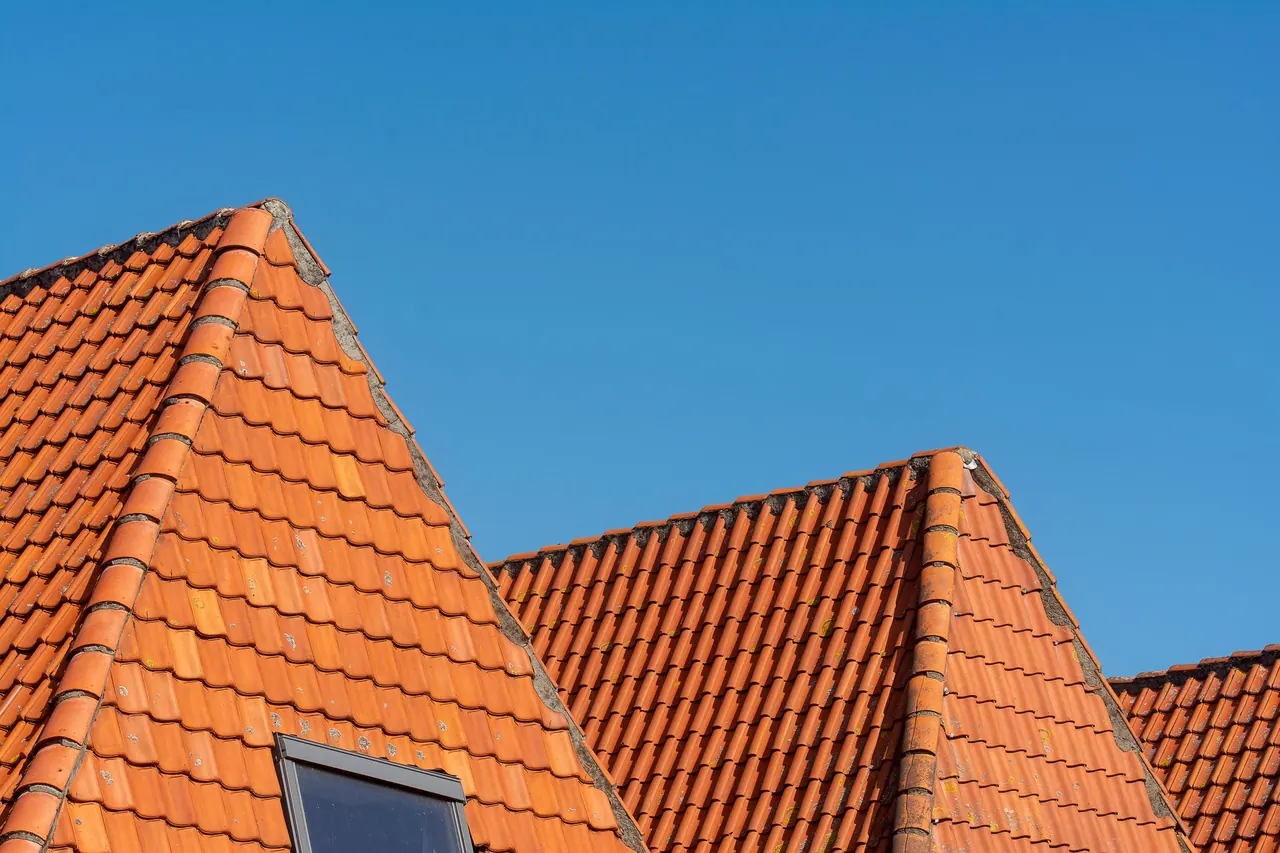
The design guide is just as clear on dormers in the Copse Hill conservation area. They go on the rear slope, set back from the eaves, kept below the ridge line and matched in scale to the house, with lead or slate hanging for the cheeks and front. It asks owners to avoid high-maintenance finishes such as tongued and grooved boarding, and says loft conversions that change the roof form need the council's permission.
On a Thurstan Road cottage the rear slope is short and narrow. Keeping a dormer below the ridge and clear of the party line usually leaves room for one window, finished in lead or slate. On a Catherine or Marguerite Villas semi the same rules apply, and the new dormer also has to sit sensibly beside the neighbour's roof.
There are slate dormers on the hill to look at. Cedarland Terrace, built around 1985 on the south side, has a slated mansard with dormer windows, and No. 15c, a nineteenth-century cottage, has dormers set in a mansard slope.
South-side villas and the 1980s houses
The listed buildings on the south side, such as the Italianate pairs at Nos. 15/17 and 19/21 and Colbyfield, sit in the Wimbledon West conservation area. A new roof on any part of them needs listed building consent as well as any planning permission. Those projects are usually led by an architect, and we build to the approved drawings.
High Cedar Drive was left outside the conservation area, so a garage or extension roof there may fall under permitted development. Check with Merton before assuming it does. Pitched roofs on extensions and dormers depend so much on the structure that we price each one from the drawings rather than from a rate per square metre. Our main roof installation page explains how a project runs, and the flat roof vs pitched roof article is worth reading while the design is still open.
Frequently asked questions
Cedarland Terrace has a mansard. Could I add one to my Thurstan Road cottage?
Probably not. Cedarland Terrace was designed with its mansard from the start in the 1980s. For older houses in the Copse Hill conservation area, the design guide asks for large projections beyond the roof slope to be avoided and favours small rear dormers instead.
Would a slate-hung dormer suit a Catherine Villas semi?
It is the kind of dormer the guide describes: on the rear slope, below the ridge and set back from the eaves. Slate hanging on the cheeks ties it to the roof. We can price it alongside a lead-clad version so you can compare.
Can you put a new roof on an old outbuilding behind a listed villa on Copse Hill?
Often yes, but a building in the grounds of a listed house may be treated as part of the listing. Ask Merton's conservation officers before work starts, and we can give you a specification to send them.





