



 Google reviews

Bends round the bays
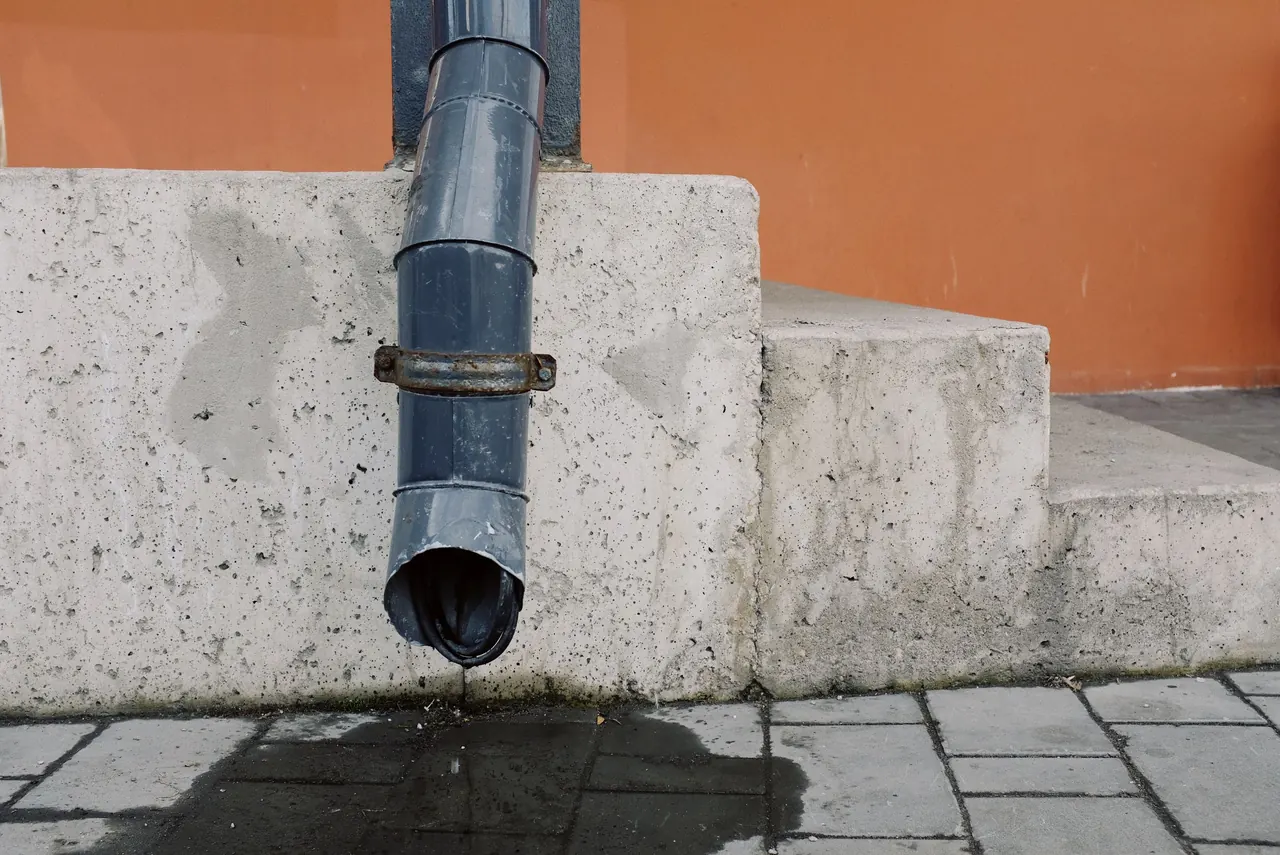
A gutter that overflows in every downpour, even after it has been cleaned, usually has its blockage further down. On the 1870s and 1880s terraces between Lordship Lane and Peckham Rye, the front downpipe rarely runs straight to the ground. It steps out around the bay window, back in under a string course or a projecting brick band, and sometimes out again over a plinth. Each of those offsets is a pair of bends.
Leaves, moss off the slate and grit lodge in the lowest bend first. The pipe then fills from the bottom up, and once it is full the gutter has nowhere to send the water, so it spills over the front edge. Signs that the problem is in the pipe rather than the gutter:
- the gutter overflows close to the outlet, not along its length
- the downpipe runs dry or only trickles at the bottom in heavy rain
- water leaks from a joint partway down the pipe, often at an offset
- a dull sound when you tap the pipe low down, where it is packed
We clear what we can reach by hand, and rod or flush the pipe where the blockage sits further down. Then we run water through to prove the whole system drains. If an offset is cracked, or the pipe has worked loose from the wall, our gutter repairs service can replace that section on the same visit.
Valleys and rear additions
At the back of these terraces your roof often meets next door's in a valley or a short gutter. When it blocks, water backs up under the slates rather than over the edge, so the first sign is a damp patch in a back bedroom that looks like a roof leak. The rear addition is the other low point. Where the main roof's downpipe discharges onto the rear addition roof or into its gutter, a single blocked outlet at that lower level makes both gutters overflow at once.
Flat-roofed kitchen extensions along the side return often drain to a small hopper on the boundary. Under garden trees a hopper like that can block in a single autumn. Where it keeps happening, a larger hopper, a leaf guard on the outlet or a second outlet may help, and we look at how much roof drains into it before suggesting which.
Behind the parapets near Peckham Rye
A few of the larger houses on the Peckham Rye edge of East Dulwich have pitched roofs hidden behind a brick parapet. Southwark's appraisal of The Gardens conservation area describes pitched roofs behind eaves parapets in the area, and a mansard storey set back behind a brick parapet on the south side of The Gardens.
Behind each parapet is a gutter that drains through an outlet in the wall, often into a hopper. When that outlet blocks, the water rises in the gutter until it tops the lining and gets into the wall or the top flat. On a three-storey house we usually look by drone first to see where the debris is, then clear the gutter and outlet and check the lining for splits.
Clearing a blockage without fixing why it formed usually means it comes back. We also reset a section that has lost its fall or change an outlet that is too small. For houses under big trees, regular gutter cleaning is the cheaper way to stop it happening again, and the blocked gutters service page covers the causes in more depth.
Frequently asked questions
The downpipe on the front of our Lordship Lane terrace leaks halfway down, at the bend round the bay. Is it blocked?
Very likely. When the lowest bend fills, water backs up and pushes out through the joint above it. Clearing the bend usually stops the leak, and if the joint has cracked we replace that piece.
Water is coming over the parapet at the front of our flat on The Gardens. What has blocked?
Usually the outlet through the parapet or the hopper just below it. Leaves and silt collect at the outlet and the gutter behind fills. We clear it, then check the lining for damage from the standing water.
Birds are nesting in the gutter of our house facing Peckham Rye. Can you clear it?
Not while the nest is in use, because active nests are protected by law. Once the birds have gone we clear it and can talk through ways to stop them building there again.





