



 Google reviews

The back of a terrace with no side passage
Most houses between Lordship Lane, Barry Road and East Dulwich Road are Victorian terraces on narrow plots, built in the twenty years after 1865. Mid-terrace houses here rarely have a side passage. From the street you see one short front gutter. Behind it there are usually three more places for water to collect: the main back gutter, the lower gutter on the rear addition and the short valley gutter where your back roof meets your neighbour's.
Those back gutters do most of the work and get the least attention. The rear addition sits under the larger main roof and catches everything that washes off it, and on many houses it drains into a downpipe that also takes water from the main roof. The valley drains two houses at once. When either fills, the overflow lands in the side return or runs down the back wall, out of sight until a damp patch appears on the kitchen or back bedroom wall.
Getting to them is part of the job. With no side passage, ladders and equipment go through the house or, on some terraces, across a rear flat roof. We agree the route before the visit so floors and doorways are protected.
Moss and grit off old slate
Many East Dulwich roofs still carry their original natural slate. Older slate holds moss, which washes down into the gutter in every heavy shower along with grit and dust. Roofs re-covered in concrete tiles shed granules and moss too. Even on a street with few trees, that steady supply of silt settles at the low points and around the outlets, where it binds into a sludge that slows the water.
The valley gutter and the rear addition gutter catch the most of it, because they sit below larger slopes. Clearing only the front leaves most of the job undone.
Trees by The Gardens and the Common
On the Peckham Rye edge of East Dulwich the trees take over. Southwark's appraisal of The Gardens conservation area describes mature trees lining Peckham Rye Common and tall boundary beech and lime trees around The Gardens square, and notes that the long back gardens there hold a notable population of large, mature trees. The conservation area is almost entirely covered by a Tree Preservation Order, so those trees are protected.
Limes drop seeds with papery wings in autumn and a sticky residue through the summer, and the two together bind into a mat in the bottom of a gutter. Beech leaves are tough and slow to break down, so they pack rather than wash through. For houses near the square or facing the Common, a clear in late autumn and another in spring is safer than one a year. For most terraces in the grid, once a year after the leaves are down is the minimum, and our article on how often to clean gutters goes further into timing.
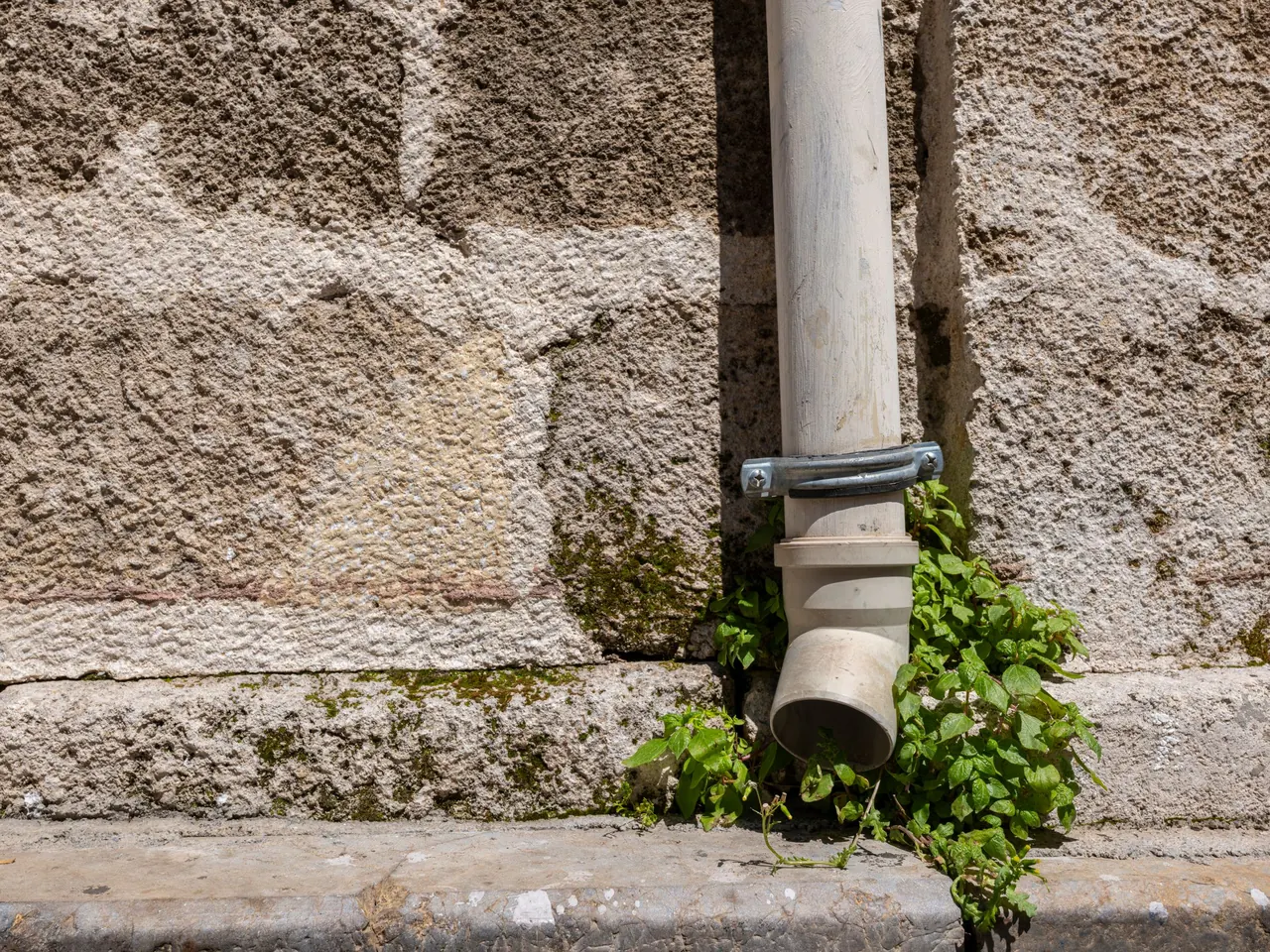
A clear covers every gutter on the house, front and back, including the rear addition and the valley gutters we can reach safely. We take the debris away and run water through to check each outlet drains, and we tell you about any bracket or joint that has dropped or is dripping, which our gutter repair service can sort. If a downpipe is packed solid or a gutter keeps overflowing at the same spot, that is a blocked gutter repair rather than a routine clean.
Frequently asked questions
Our mid-terrace house off Lordship Lane has no side access. How do you reach the back gutters?
Usually through the house, with the floor and doorways covered, or from a rear flat roof where one is strong enough to work from. Tell us about access when you book and we agree the route before we arrive.
Can you clear the valley gutter between our terrace and next door's at the same visit?
Yes, where it can be reached safely. The valley drains both roofs, so clearing both sides together makes sense, and each household gets its own quote.
Do the lime trees around The Gardens cause more work than other trees?
They tend to. The seeds and sticky residue bind with the leaves and stick to the gutter rather than washing to the outlet, so houses near them usually need a spring clear as well as the autumn one.





