



 Google reviews

The houses on Clapham Park's southern plots
Thomas Cubitt's plan for Clapham Park was never finished. The northern part later became the LCC's Clapham Park Estate, while some of the plots on the southern part that had never taken villas were built up with medium-density terraced and semi-detached houses instead.
Houses of that kind usually have simple rooflines: a straight eaves along the front, another along the back, and few breaks in between. That is the shape where a seamless gutter does best. A sectional gutter on a ten-metre run has joints every few metres, and each one has a seal that can perish or a clip that can work loose. A seamless run of the same length has no joints at all between its corners and its outlet.
Where one of these houses has an older plastic system that has gone brittle and leaks at the joints, replacing it with aluminium formed to length removes those joints and gives a run that does not rust and holds its line.
On a semi in the south of Clapham Park, the job is usually the front eaves, the back eaves and any garage run, each measured and formed to its own length, then tested with water for low spots. Where the old plastic gutter has been leaking at its joints for years, the fascia behind it is often soft, and it needs replacing first; our fascias and soffits page explains that work.
Rodenhurst Road and the backs of the terraces
Rodenhurst Road is a street of large, double-fronted Edwardian semis. The main eaves on houses of that width are long, and on a plain stretch a single seamless run can replace a gutter that has been jointed and rejointed over a century.
On the 1880s terraces off Abbeville Road, the front is usually the wrong place for it, but the back can be a different story. Where the back addition has a long, plain side eave running down the garden, seamless works well, out of sight of the street. Where the back of the house is busy, with a bay roof, a lean-to and a valley all in a few metres, the runs are too short for seamless to save much, and a sectional system is simpler.
Abbeville Road's parades and the Kings Avenue villas
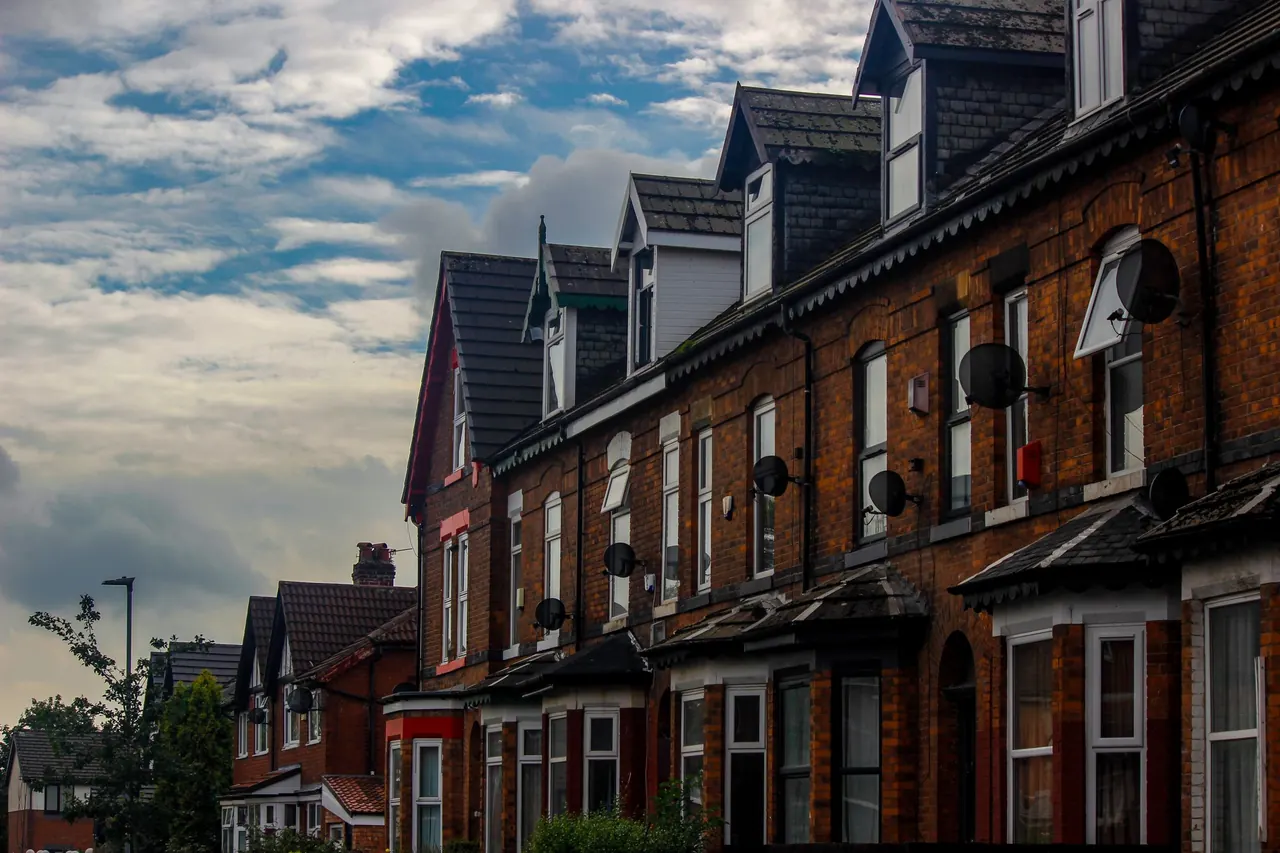
Two kinds of building here are better left to traditional gutters. The parades along Abbeville Road sit inside a conservation area designated for their Victorian character, and several of them have parapets, gables or turrets rather than a long, plain eaves. The early Victorian villas at the north end of Kings Avenue sit in another conservation area, where Lambeth's appraisal says original cast iron rainwater goods make a positive contribution. On those, our gutter installation page covers like-for-like cast iron.
On cost, MyJobQuote's gutter replacement guide puts aluminium guttering, supplied and fitted, at £55 to £78 a metre as a national guide figure, which covers aluminium in general rather than seamless alone. More on finishes is on our main seamless gutter installation page.
Frequently asked questions
My semi in the south of Clapham Park has a garage gutter at right angles to the house. Can that be seamless too?
Yes. Each straight run is formed in one piece and the corner where they meet is a made joint. With two straight runs and one corner, you still lose most of the joints a sectional system would have.
Is seamless worth it on the back addition of a Hambalt Road terrace?
Only if the side eave is long and plain. On a short back addition with a bay and a valley close together, there are too few straight metres for it to make a real difference.
Can the gutter on a double-fronted Rodenhurst Road semi run the full width in one piece?
Usually, as long as nothing breaks the eaves line, such as a projecting bay with its own roof. If the outlet is at one end of a wide roof, we check whether a second outlet is needed so the run can cope in heavy rain.





