



 Google reviews

Joints under the trees on Thurleigh Road
Between 1874 and 1896 the fields south of Nightingale Lane were laid out with large villas on spacious plots along Nightingale Lane and the new Thurleigh Road. Wandsworth's appraisal for the conservation area talks about grand houses of broad frontage and a wealth of mature trees, and names the eastern end of Thurleigh Road among the most treed streets in the area.
Put those two things together and sectional guttering has a hard life. A wide villa has a long eaves line, often with returns along the sides, made up of many short lengths joined end to end. Each joint has a seal that can perish, and each one is also a small lip where wet leaves settle and hold water against the seal. A seamless aluminium gutter is formed to the measured length, often on site, so a straight run along a side return or the back of the house is one piece, with joins only at the corners, stop ends and outlets.
On these houses the gain is biggest on the long rear and side elevations. They are hard to reach and rarely looked at, so a leaking joint there can go unnoticed until the brickwork below turns green. Fewer joints also means fewer places for leaves to snag, though under trees like these the gutter still needs regular clearing, which our gutter cleaning in Balham covers.
Bracken Avenue and Western Lane fronts
Seamless guttering does not suit every Balham front, and the reasons are often local. The appraisal describes Bracken Avenue as a complete estate of Arts and Crafts terraces in brick and roughcast, whose character relies on the houses staying alike, and calls it very fragile. A new gutter that looks different from the neighbours' on the front would stand out, so the rear is a better place to consider it. On Western Lane, numbers 1 to 7 survive from early nineteenth century cottages, part of what the appraisal calls the lane's rural charm. A short cottage frontage has few joints to remove, and a traditional-looking gutter matters more there.
Fronts broken by bays and porches are mostly corners, and corners are joints in any system. So on a typical villa the useful split is often a seamless run along the side and rear, and whatever suits the street at the front.
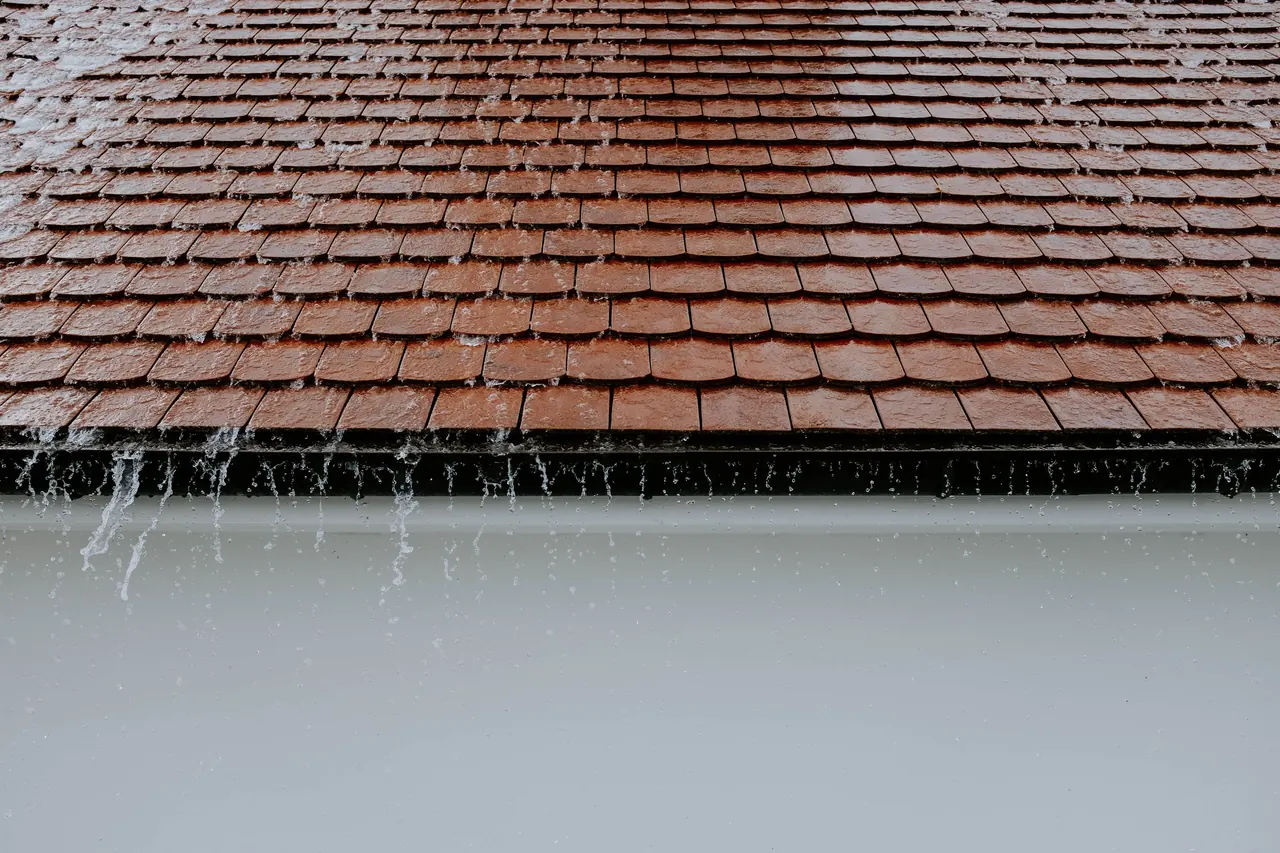
Article 4 fronts on the Heaver Estate and at Hyde Farm
East of the High Road the question is planning rather than layout. Neither the Heaver Estate directions nor Lambeth's Hyde Farm direction names gutters, but both councils value original detailing on the street side, and Hyde Farm's original front gutters were cast iron ogee. Changing the material or profile of a front gutter in either place is worth checking with the council first. The backs, where most of the long runs are, are far less sensitive. For a cast iron or plastic match at the front, see gutter installation in Balham, and the main seamless gutter installation page explains how the runs are formed.
Frequently asked questions
Would seamless guttering suit the back of a Bracken Avenue house?
It can, because the rear is far less visible than the front and the conservation concern is mostly about the street. A long, unbroken rear eaves line is where seamless saves the most joints.
Can I fit seamless aluminium at the back of a Heaver Estate house and keep cast iron at the front?
Yes. The two can meet at the corner with a proper adaptor, and it keeps the original look on the street while the long rear run loses most of its joints.
Does the aluminium come in a colour that suits a Thurleigh Road villa?
Aluminium is usually supplied with a coloured coated finish, so it can be chosen to match or contrast with the windows and fascias. We go through the finishes when we measure up.





