



 Google reviews

Long eaves on Ullathorne and Abbotsleigh Roads
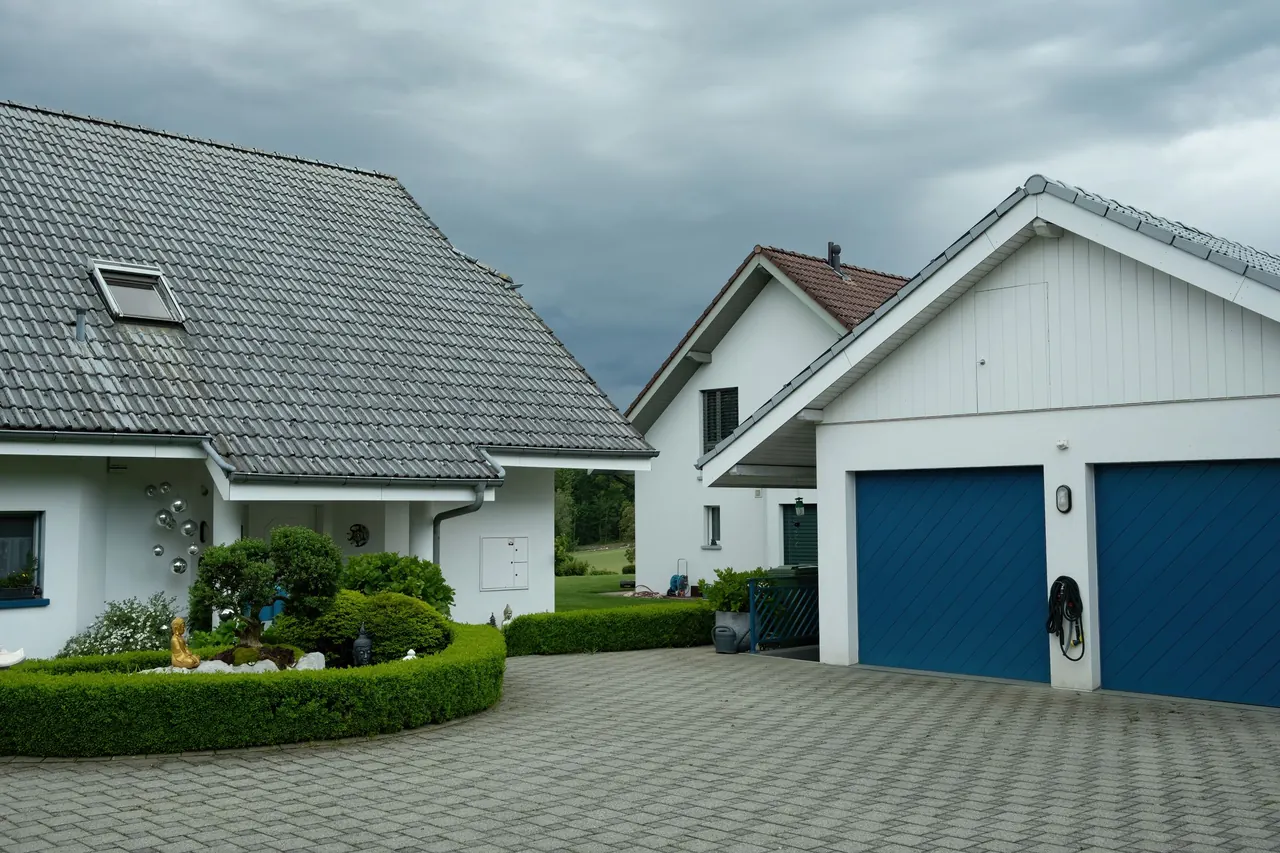
Ullathorne Road, like Abbotsleigh Road beside it, is mostly detached inter-war houses: two storeys of brick under tile roofs, some roughcast at first floor and others tile-hung. A detached house has eaves on more sides than a terrace, and often longer ones, so a sectional gutter around it has a lot of joints. Each of those is a place where the seal can age and start to drip. A seamless aluminium gutter is formed to the measured length of each side, so the long straight runs have no joints, only corners and outlets.
Where a house here lost its original cast iron to plastic years ago, that plastic is now ageing in turn. At replacement time the choice is between more sectional plastic and metal. That is where seamless aluminium earns a place in the conversation. Aluminium is light, does not rust and comes with a coated finish in a range of colours, so it can be chosen to sit quietly against brick, roughcast or tile hanging.
Where a house here still has its cast iron in reasonable order, repairing it is the better route, for the reasons set out below.
1960s and later houses on West Drive and North Drive
The clearest fit in this corner of Furzedown is the later housing. Nos. 5 to 12 West Drive and 10 to 17 North Drive are three-storey terraces built in the 1960s. No. 16 Ullathorne Road is a three-storey building from the early 1980s, and 4 and 4a Ullathorne Road are a pair completed in 2008. None of these has period rainwater goods to protect, and where their eaves run straight they suit runs formed to length.
On a terrace, each owner usually owns their own stretch of gutter. A single seamless run along several houses is possible, but everyone along it needs to agree, and the outlets need to fall where each house can drain. At three storeys, the work is done from scaffold or a tower, which is worth allowing for in the budget.
Each side of the roofline is measured carefully before anything is formed, since the run is made to that length, and the finished run is checked to confirm water flows to each outlet. Our main seamless gutter installation page covers the system itself.
Where we would not suggest it
Listed houses. Dixcote at 8 North Drive is Grade II* and Yew Tree Lodge at 2 West Drive is Grade II. Changing rainwater goods on a listed building needs listed building consent, so speak to Wandsworth's conservation officers first. On those houses, repairing or renewing what is there like for like is the safer route.
Original cast iron elsewhere in the conservation area. Wandsworth's guidance asks for original materials to be looked after or reinstated wherever possible. If your house is a flat or maisonette, check with the council before changing any external material.
Short runs on the Edwardian terraces. On Pendle, Pretoria or Welham Road, the front gutter of one house is short, and the back addition gutters are shorter still. There are only one or two joints to save, so a standard gutter installation in Furzedown is usually better value. If your existing gutter is sound apart from one leaking joint, a Furzedown gutter repair is all it needs.
Frequently asked questions
My Ullathorne Road house still has cast iron gutters. Should I swap them for seamless?
If the cast iron is sound, no. The conservation area guidance favours keeping original materials, and cast iron that is kept painted still has a long life ahead of it. Seamless makes more sense where the originals have already gone.
Can one seamless run go along the whole front of a 1960s West Drive terrace?
It can, if every owner along it agrees and the outlets suit each house's drainage. Otherwise each house can have its own seamless length, joined at the boundary.
Can the colour be matched to a tile-hung Abbotsleigh Road house?
Aluminium comes in a range of coated colours, so a darker brown or black that sits with the brick and tile hanging is usually possible. Bring a photo of the front and we can talk through the options.





