



 Google reviews

Swan necks and conkers under the West Drive trees
Wandsworth's appraisal lists horse chestnut and lime among the street and garden trees of West Drive, North Drive and Abbotsleigh Road, and Tree Preservation Order 53 protects 250 trees across the area. A gutter there can be clear along most of its length and still overflow, because the blockage is not in the gutter at all. It is in the first bend of the downpipe.
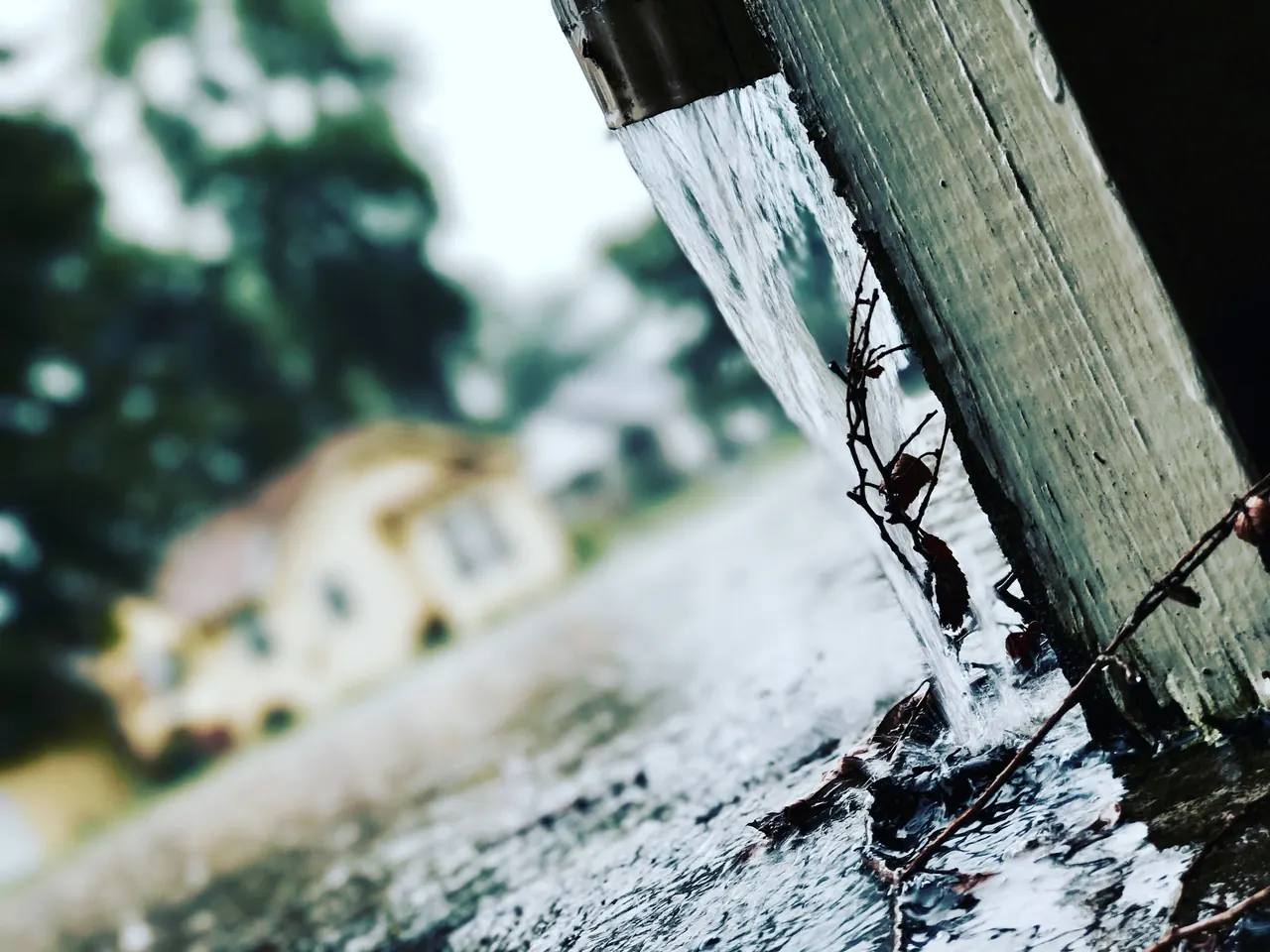
Where a gutter sits out from the wall, the downpipe starts with a swan neck, an S-shaped bend that carries the water back to the wall. A conker, a spiky chestnut case or a clump of lime seed can lodge in that bend. Once one does, leaves pile up behind it, and within a few showers the outlet is sealed. From the ground the only sign is water pouring over the front edge of the gutter at one point, usually right above the downpipe.
Planned clearing under these trees is covered on our gutter cleaning in Furzedown page. This page is about the blockage that is already causing an overflow.
Hopper heads and shared downpipes on Welham Road and the council estate
On Welham Road's maisonettes and the council-built houses and maisonettes of the late 1920s, a single downpipe can serve a roof shared between two homes. More water goes down one pipe, so a partial blockage shows sooner. Where a hopper head collects water from more than one pipe, silt settles in its base until it overflows from the top, sending water down the face of the wall.
A shared pipe also means a shared problem. If the blockage is in your section you can have it cleared, but if it starts in the gutter that feeds it from next door, a lasting fix needs your neighbour's agreement.
At the back of the Edwardian terraces, overflows from the short drops between the main roof and the back addition are usually a repair rather than a blockage, and our Furzedown gutter repair page covers them.
Rodding a Furzedown downpipe
The gutter is cleared along its full length first, then each downpipe is checked from the top. Where the blockage is out of reach, the pipe is rodded or flushed from the top or from a joint lower down. Water is then run through to prove it flows. After that comes the reason it blocked:
- a tight swan neck or undersized outlet, which can be replaced with a larger one
- a dip in the run where silt settles, fixed by resetting the fall or replacing a bracket
- a downpipe that has come apart, reconnected so water reaches the drain
- a fascia soaked or brackets bent by the weight of a full gutter
For a national benchmark, Which? puts clearing the gutters front and back at £75 to £350 excluding VAT, with any repair on top. If the underground drain itself is blocked or broken, that is a job for a drainage firm, and we will say if that is where the problem lies. Our main blocked gutter repair page goes through the process.
Frequently asked questions
A conker is stuck somewhere in the downpipe on my Abbotsleigh Road house. Will the pipe need taking apart?
Not usually. Most lodge in the swan neck or the first joint and can be cleared from the top or by rodding. A pipe only needs dismantling if the blockage is packed solid further down.
Water spills from the hopper head on my Welham Road maisonette. Is it the hopper or the pipe?
Often both. Hoppers collect silt in their base, and the pipe below can be partly packed. The hopper is emptied first, then the pipe is rodded and flushed until it runs freely.
My house on the Furzedown council estate shares a downpipe with next door. Can it be cleared from my side?
Usually, yes. A downpipe can be cleared from the top or at a joint low down. If the fault is in the neighbour's gutter feeding it, the lasting fix will need their agreement.





