



 Google reviews

The ogee fronts of Hyde Farm
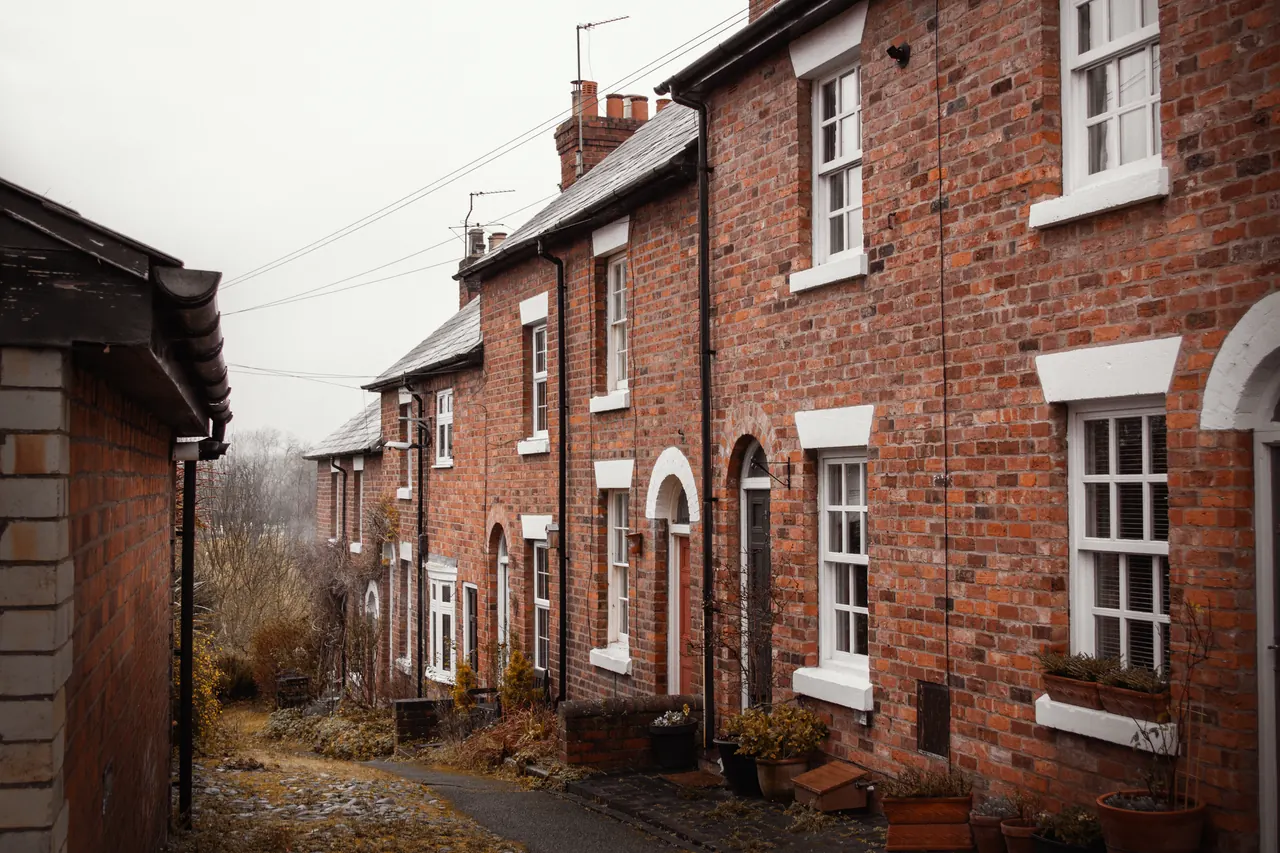
Walk along the Hyde Farm streets east of Cavendish Road and look at the eaves. The brickwork corbels out slightly at the top of the wall, a plain painted timber fascia sits on it, and that fascia carries the gutter. Lambeth's 2023 statement for the conservation area records that the front gutters were originally cast iron in an ogee profile, the moulded S-shaped section common on late Victorian houses, with round downpipes.
Where the iron has since been replaced, it is often with plastic in a different profile. Lambeth's general aim for the estate is that where features need renewing, matching materials and authentic detailing are used. So when a Hyde Farm front gutter is past repair, the closest match is cast iron ogee on a sound, painted timber fascia. It costs more than plastic, but it lasts much longer if it is kept painted, and it looks right on the front.
At the back the picture is different. Rear returns are far less visible, and uPVC or aluminium there keeps the cost down without affecting the street. On cost, MyJobQuote's guttering cost guide gives £30 to £50 per metre for uPVC against £80 to £150 per metre for cast iron, both national guide figures, so keeping cast iron to the front alone makes a real difference.
What the Heaver Estate and Hyde Farm rules actually cover
It is easy to assume every external change in a Balham conservation area needs permission. The two Article 4 directions are more specific than that.
- Heaver Estate (Wandsworth). The 1996 directions require permission for alterations to roofs and elevations fronting a highway where they would materially affect the look of the house. The appraisal names windows, doors, stained glass and roof materials. It does not list gutters or downpipes.
- Hyde Farm (Lambeth). The direction covers alterations to roofs, including coverings and rooflights, changes to windows, doors and porches, extensions, boundary walls and some other front changes. Gutters are not named.
So a like-for-like gutter replacement is very unlikely to be an issue. Changing the material or profile of a front gutter is worth checking with the council first, because both appraisals value the original detailing. Flats and houses converted to flats have no permitted development rights, so their owners should check before any change at the front.
Three storeys of rear wall on Heaver houses
Many Heaver Estate houses are two storeys at the front and three at the back, so the rear gutter sits a full storey higher than the front one and collects water from a bigger slope. A gutter that is too small for that roof overflows even when it is clean. Before choosing a size we look at the roof area and where the outlet can go, and on a long rear slope a second outlet is often the answer.
The fascia has to be sound enough to take new brackets. If the boards are soft, they need replacing first, which we can do in the same job through our fascias and soffits work in Balham. On long straight rear runs, a seamless aluminium gutter is another option, and the main gutter installation page explains how each system is fitted.
Frequently asked questions
Will the painted timber fascia on my Hyde Farm front take new cast iron brackets?
If the board is hard and sound, yes, once it is prepared and repainted. If it is soft, that length is replaced in timber to the same size first, which keeps the simple painted eaves line Lambeth's appraisal describes above the corbelled brickwork.
Do Wandsworth's Article 4 directions on the Heaver Estate cover new gutters?
The appraisal does not list gutters among the works the directions control, but it does cover alterations to road-facing elevations that change the look of the house. Replacing like for like is unlikely to need permission. If you want a different material or profile at the front, ask Wandsworth's planning team first.
Can I have cast iron at the front of my Hyde Farm flat and plastic at the back?
Yes, and on many houses it is the sensible split. The front is what the street sees and what the conservation statement cares about. At the back, uPVC or aluminium in a similar profile does the job for less. Where the two meet at a corner, a proper adaptor joins them.





