



 Google reviews

What Lambeth asks for on the Kings Avenue villas
At the north end of Kings Avenue, where Clapham Park meets Clapham, a handful of the original early Victorian villas survive inside the Clapham Park and Northbourne Road Conservation Area. Lambeth's appraisal for that area is unusually specific about rainwater goods. It says the gutters and downpipes were originally cast iron, that many originals survive and make a positive contribution, and that they tend to sit on the flank of the house so the front stays smart and uncluttered. Some houses have parapet gutters and no downpipes on the facade at all. Downpipes replaced in modern plastic, it says, invariably look crude on historic houses.
If your house is in that conservation area, the guidance is clear: replace like with like where the front or flank can be seen, keep the downpipes where they were, and do not add new ones across the facade. Cast iron costs more to buy and fit than plastic, but it lasts a very long time when it is painted and kept clear. On a listed villa, changing the material or position of gutters and downpipes needs listed building consent; like-for-like repair usually does not. So the starting point is always matching what is there.
Where a parapet gutter sits behind the front wall, the work is part of the roof rather than a gutter hung on a board, so it is handled as a roof repair in Clapham South rather than a new gutter system.
Big hipped roofs and long runs
Most of the villas have hipped roofs with overhanging eaves, and the Edwardian semis on Rodenhurst Road are large, double-fronted houses with wide roofs of their own. A big roof sends a lot of water into each length of gutter, and on these houses the gutter that was there before may have been undersized from the start, or swapped for a smaller plastic profile at some point.
When we replace a system, we work out the roof area each run drains and choose a profile with enough capacity, whether that is a half-round, an ogee or a deeper box section. Then we set the fall towards each outlet, fix brackets at the right spacing so the run cannot sag, and connect into the existing drains. Where a downpipe has to move, we keep it on a side or rear wall where possible.
New gutters need something sound to fix to. On a house of this age the timber fascias behind are often soft, and if so, our fascias and soffits work can be done in the same visit.
The backs of the Abbeville terraces
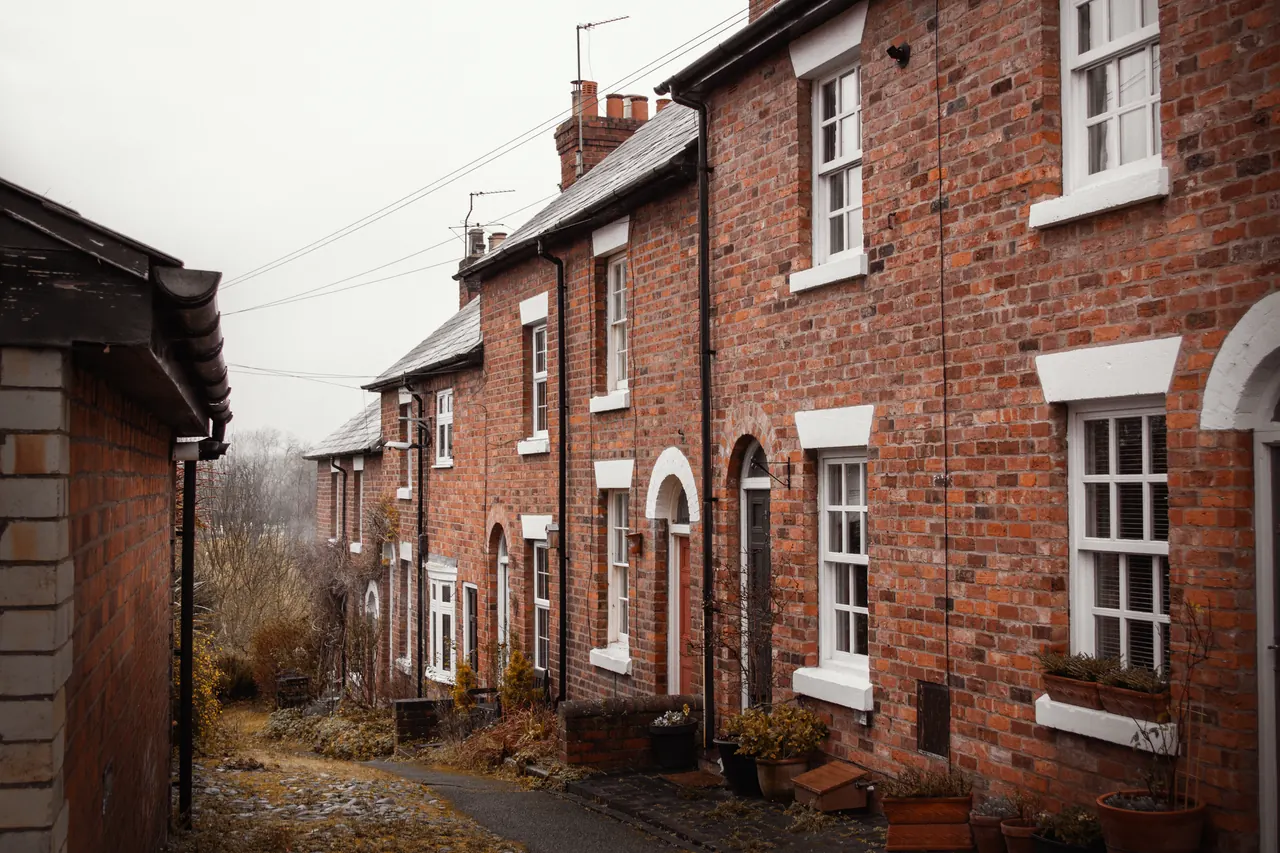
On the Victorian terraces behind the parades, Narbonne Avenue among them, the guttering is often a patchwork: cast iron where the original survives, plastic where a section failed, and adaptors joining two profiles that never quite match. These streets sit outside the Abbeville Road Conservation Area, which covers only the shops, so the choice on the back of a house is usually down to cost and upkeep.
uPVC is the common choice for a rear elevation because it is cheaper, does not rust and needs little upkeep. Checkatrade's gutter replacement guide gives a national guide figure of around £30 to £70 a metre for fitted uPVC. Aluminium does not rust and is lighter than cast iron; where a long plain run suits it, our seamless gutter page covers that option. Our main gutter installation page compares the three materials in more depth.
Frequently asked questions
Where should the new downpipe go on my Kings Avenue villa?
Where the original one was, which on most villas there is the flank wall. Lambeth's appraisal for the conservation area says that placing keeps the front uncluttered, and moving a downpipe onto the facade would work against it.
Will a standard gutter cope with the roof on a Rodenhurst Road semi?
It depends on the size of each roof slope and how many outlets there are. On a wide double-fronted house, a deeper profile or an extra outlet is sometimes needed. We measure before recommending one.
My Narbonne Avenue terrace is outside the Abbeville Road Conservation Area. Does that mean any gutter will do at the front?
That conservation area covers only the shops on Abbeville Road, so it does not set the rules for your house. Check Lambeth's conservation area map for your address first. If nothing else applies, the choice is yours, though a profile that matches the houses either side keeps the terrace looking even.





