



 Google reviews

Rot behind the gutters on the interwar semis
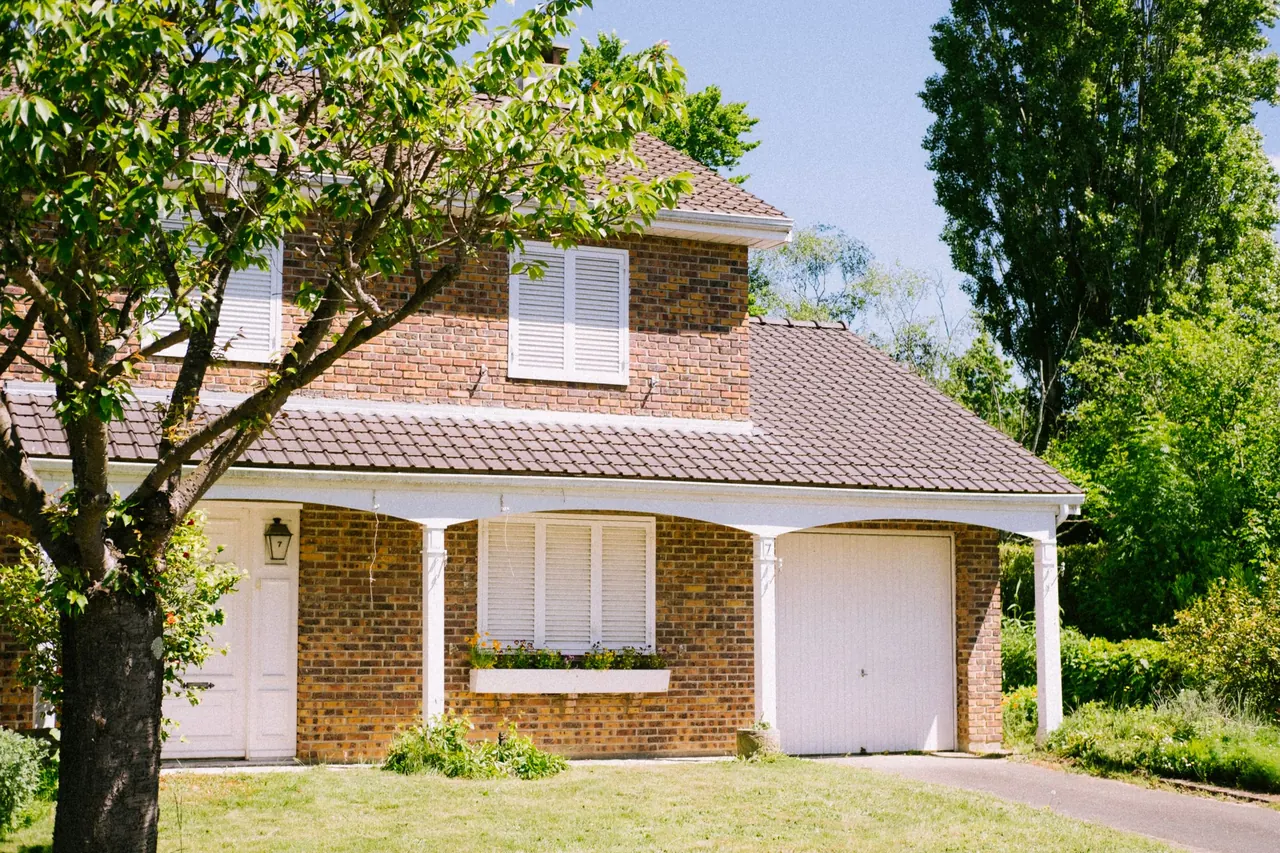
Painted timber is what Worcester Park's interwar semis were built with, and the boards that survive are close to a century old. On a house with a hipped roof, the fascia runs round three sides with a soffit closing the eaves underneath. The usual failures are rot along the back edge of the fascia, where water from a leaking or overflowing gutter has been getting behind it, soft corners where two boards meet under a hip, and gaps in the soffit where boards have shrunk or split. A gutter bracket that will not hold its screws is often the first thing anyone notices.
A short damaged length can be cut out and replaced on its own. Where the boards are soft along most of their length, full replacement is the long-term fix. Capping old boards with a thin uPVC cover is cheaper, but it only works if the timber underneath is completely sound, so the boards are checked before it is suggested. Behind the boards, the rafter ends are checked too, and any rot there is dealt with before the new fascia goes on.
uPVC replacement boards come in white, black, grey and woodgrain finishes, and a ventilated soffit helps keep air moving through a roof space with no other eaves ventilation. For a sense of cost, Checkatrade's fascia and soffit guide lists replacement at £90 to £170 per linear metre as a published national guide. Fascias carry the gutters, so it usually makes sense to price a new gutter installation in Worcester Park alongside the boards.
Bargeboards on the half-timbered gables
Many of these semis are in the half-timbered Tudorbethan style that Sutton's draft Character Study picks out across the area, with black boards over white render on the front gable, framed at the top by a pair of bargeboards. Those bargeboards tend to go soft at the foot, where they meet the gutter and catch the overflow.
On a gable like this, a plain flat board in place of a shaped timber bargeboard changes the look of the front. If the original profile matters to you, talk through the options before anything is taken down. The half-timbered boards on the wall below are kept clear of damage while the work is done. Longfellow Road's Victorian terraces have their own eaves details, and where boards there have rotted, they are replaced to keep the eaves line even along the row.
Repairing a section at The Hamptons
The north of the area has a very different finish. The character study describes The Hamptons, built on the former sewage works site, as New England style architecture with coloured weatherboarded houses in well-landscaped grounds, and rates the estate as having very high townscape value. On houses like these, the eaves boards are part of a planned colour scheme.
The work there is less about rot and more about fit: a damaged section of soffit or fascia replaced so it does not stand out, or a ventilated soffit where the eaves need more air. Where only one section is damaged, replacing that section alone keeps the rest of the original. Where an estate has a management company, check any rules on external colours before work starts. Our article on water leaking behind the gutter explains why boards rot from behind, and the main fascias and soffits page has more detail.
Frequently asked questions
Can new bargeboards on our half-timbered gable keep the mock-Tudor look?
It can still look right. A black or woodgrain uPVC board usually sits well against a black and white gable, but it is flatter than a shaped timber original, so we show you how it will look before the old boards come down.
Our Hamptons house has coloured boarding. Will a replacement soffit match it?
It depends on the colour you have. The standard uPVC finishes are white, black, grey and woodgrain, so where a single section is damaged, replacing only that section keeps the rest of the original finish. Check with the estate's management company if it sets rules on external colours.
Starlings got into a gap in the soffit of our semi near Back Green. When can it be closed?
Once the birds have finished nesting and left. The law protects wild birds' nests while they are being built or used, so the gap is usually closed in autumn or winter. We then replace the damaged soffit board and check the rest of the eaves for other gaps.





