



 Google reviews

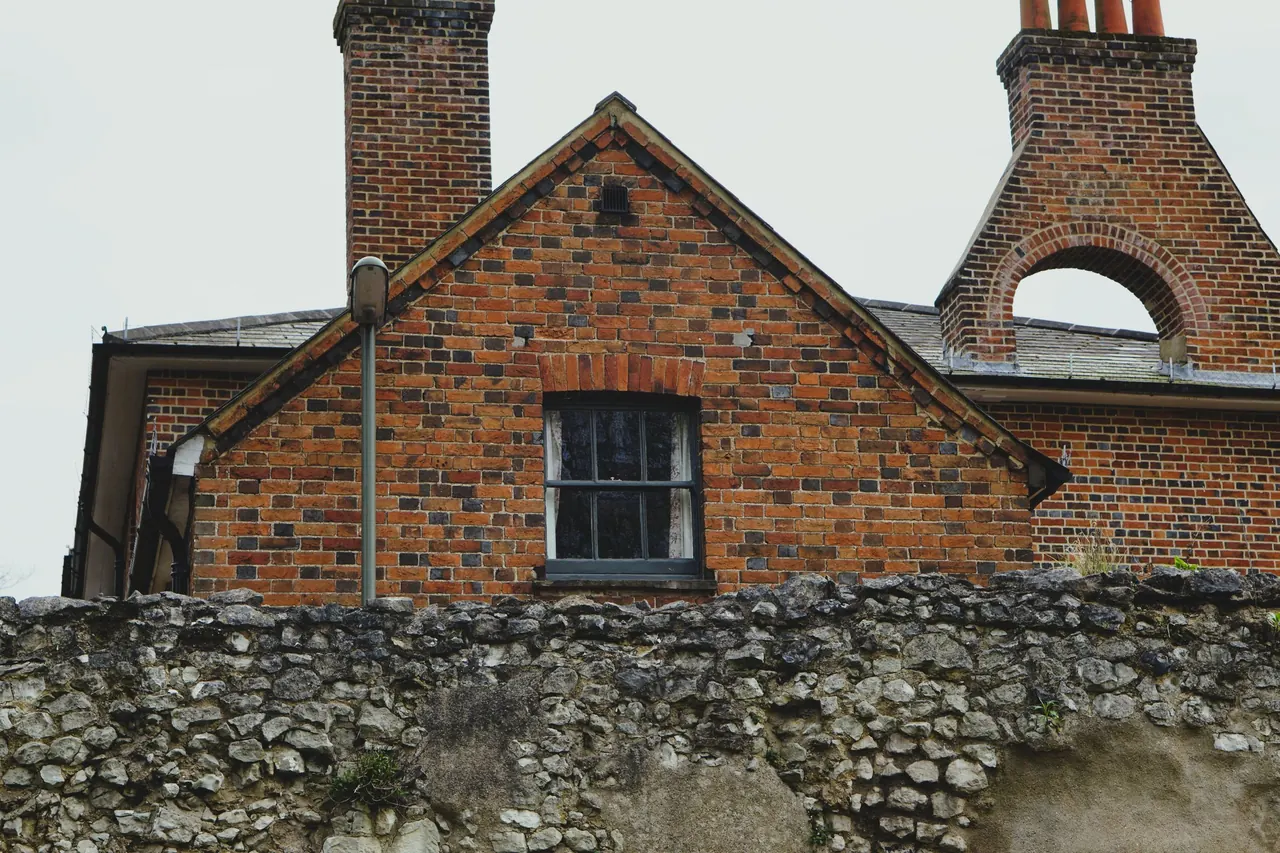
Old chimneys around Plough Green and St John's
Old Malden's village grew along Church Road, and its oldest chimneys are still there. At the eastern end, by Plough Green and its pond, the Plough Inn is listed Grade II and dates from the 15th century and later. Its listing describes a double pitched tiled roof with two chimneys, one of them large. At the western end, the Manor House beside St John the Baptist Church is also listed Grade II. Between the two, the Victorian cottages at 16 to 28 Church Road, opposite Plough Pond, are recognised by Kingston Council as Buildings of Townscape Merit.
These stacks are older and softer than anything on the 1930s estates. Old bricks and lime-based mortar move with the weather, and hard cement pointing or a cement flaunching put on in a later repair can trap water and make the face of the brick spall. On this kind of stack, the repair should follow what is there: matching the mortar, matching the brick where any has to be replaced, and keeping the pots and the outline of the stack as they are.
Repairs that suit a stack in the conservation area
The cottages, the Manor House and the Plough Inn all sit inside the Old Malden Conservation Area, and the listed buildings need listed building consent for most changes. Like-for-like repair is normal maintenance. Taking a stack down, lowering it or swapping old pots for modern ones changes the look of the roofline, and on a listed building that needs consent first. Our Old Malden overview explains where the conservation area runs.
The usual work on an older stack is:
- Lead flashing renewed where it has lifted or split, with the lead tucked into a raked-out mortar joint rather than stuck on with sealant.
- Repointing the open joints so the stack stops soaking up rain, in a mortar that suits the brick.
- Flaunching renewed around the pots where the old bed has cracked and pieces have come away.
- Pots reset if loose, and a cowl or bird guard fitted where a flue is no longer used, after checking how each flue is used.
Stacks on the 1930s semis of Columbia Avenue and Forest Side
On the estates, the main stack usually sits on the party wall between a pair of semis, with each house's flues inside one shared block of brickwork. Columbia Avenue's semis, which the character study notes for their Tudor detailing and swept gables, and the Forest Side houses either side of Malden Road follow this pattern. At ninety-odd years old, the weak points are the same from house to house: flaunching cracked on top, pointing open on the weather side, and flashing at the base that has been patched with a mortar fillet or sealant over the years. Where work touches the shared brickwork, it makes sense for both owners to agree it first.
MyJobQuote's chimney leadwork cost guide gives £150 to £250 for a flashing patch repair and £350 to £460 for full replacement without scaffolding, with higher figures where scaffold is needed.
Looking down on a stack by Plough Pond or Malden Road
From the pavement you see one face of a stack at best. A drone flight shows the flaunching, the pots and the back flashing without scaffolding, so you know what the job is before paying for access. If tiles or valleys around the stack are part of the leak, they can be dealt with through a roof repair in Old Malden on the same visit. Our chimney maintenance guide lists what to check each year, and the main chimney repairs page has more on each job.
Frequently asked questions
My cottage opposite Plough Pond has hard cement pointing on the stack. Should it come out?
If the bricks around it are crumbling or flaking, often yes, because the cement is holding water in the brick. We look at the condition first and only rake out what needs it, repointing in a mortar suited to the old brick.
The Plough Inn is listed. Does that make the chimneys on the cottages nearby listed too?
No. Listing covers the listed building itself. The cottages at 16 to 28 Church Road are Buildings of Townscape Merit, a local designation, so a like-for-like chimney repair there needs no listed building consent, though the conservation area still makes it worth matching the brick and mortar.
Is a chimney on Church Road inside the conservation area treated differently from one on Forest Side?
For like-for-like repairs, no. For changes such as taking the stack down or altering its shape, yes: inside the conservation area that deserves a word with the council, and on a listed building it needs consent.





