



 Google reviews

An older pocket behind the 1930s streets
Idmiston Square sits apart from the rest of Old Malden: a compact area with development from the 1880s and 1890s, on plots much smaller than those around it, and with a semi-isolated feel because it does not join up with the 1930s street layout, as Kingston's character study puts it. The Victorian terraces have ground floor bays. Later, in the 1920s, more houses were added, and the eastern end has flat-fronted short terraces with brick ground floors and pebble-dashed first floors. Idmiston Road adds half-timbered mock-Tudor semis.
That gives a short walk several generations of guttering. Some runs will be replacements from the last twenty years, some older plastic, and on the Victorian terraces there may still be cast iron in places. Each fails in its own way, and on a terrace each failure can affect the houses either side.
Gutter faults on Idmiston Square houses
Joints above pebbledash
On the flat-fronted terraces, the first floor is pebble-dashed right up to the eaves. A joint that drips for a winter runs water down the render, which shows as a dark streak and, over time, as cracking where water has got behind the render and frozen. Re-sealing or replacing the joint early saves the wall.
Ground floor bay roofs
The Victorian terraces have bays at ground level with their own small roofs. When the main gutter above overflows or leaks at a joint, water lands on the bay roof and finds its way into the flashing where the bay meets the wall. A leak inside around the bay window can start at the gutter two metres higher.
Runs shared along the terrace
On a terrace the gutter often runs from one house into the next, sometimes towards a shared downpipe. A sag or a failed union outside one house can push water back along to its neighbour. We find where the fault actually is and tell you if it sits on next door's side.
Ageing cast iron
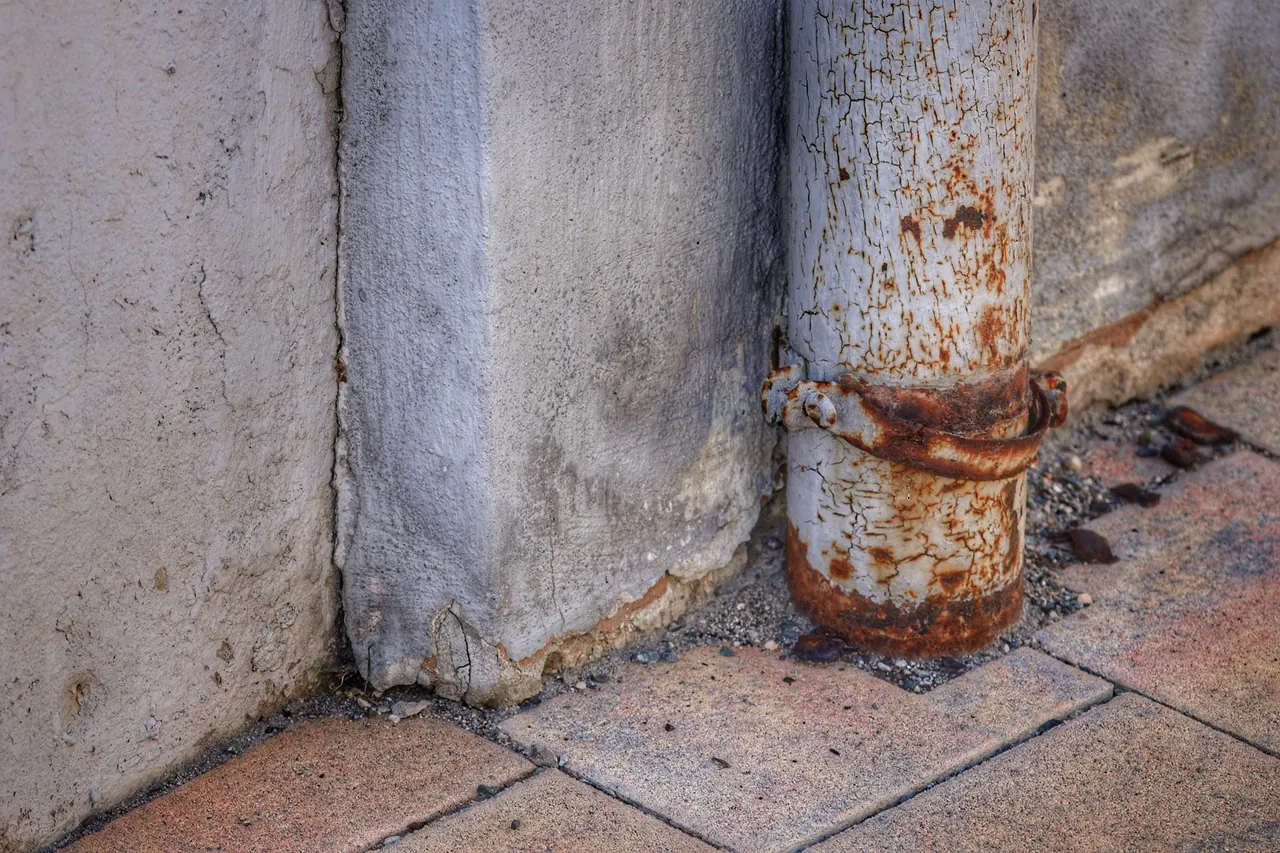
Where cast iron survives on the Victorian houses, it rusts at the joints and brackets and can crack across a section. Single sections and brackets can be replaced and joints re-sealed. If a run is corroded throughout, we price new guttering in a matching style through gutter installation in Old Malden.
The repair visit on a tight street
The study notes heavy on-street parking around Idmiston Road and little room on the plots. We plan where the ladder goes before we arrive and work from the front and back of the house as access allows. Once up, we look along the whole run as well as the drip, because a leaking joint is often caused by a sag or a blockage further along.
The fix is usually one of a few things: re-sealing or replacing joints and unions, adding or re-fixing brackets so the run holds its line, resetting the fall where water sits, replacing a cracked section, or re-connecting a downpipe or offset that has come apart. We run water through at the end to show the repair works. If the fascia behind has gone soft, brackets will not hold for long, so we point that out and price for the board as well.
The study notes a lack of significant landscaping here, so leaf fall is lighter than near the Hogsmill, but silt and moss still collect, and gutters full of silt load the brackets. A yearly gutter clean in Old Malden helps a repaired run last. The main gutter repairs page lists the work in more detail.
Frequently asked questions
A joint above the bay on my Idmiston Square terrace drips onto the bay roof. Is that a gutter job or a roof job?
Start with the gutter. Once the joint is sealed and the run drains properly, the bay roof usually dries out. If the bay flashing has already been damaged by years of dripping, we will show you and repair that too.
The pebbledash under my gutter has a dark streak and a crack. Could the gutter be the cause?
Very often. A slow drip from a joint or the back of the gutter soaks that strip of render every time it rains. We fix the gutter first, then you can have the render repaired once it has dried.
Parking on Idmiston Road is tight. Can you still get a ladder to the gutter?
Yes. Gutter repairs on two-storey houses are ladder work, and we plan where to stand it before we arrive. If a run is out of safe reach, we tell you and suggest the access needed.





