



 Google reviews

Cast iron on the Grove Crescent estate
Grove Crescent was laid out around 1863 as a planned mid-Victorian estate, and the council's page on the Grove Crescent conservation area puts it at about 10 hectares and 350 properties. The villas are on Springfield Road and Denmark Road, and the smaller cottages on Portland Road. To the north, the streets of the Fairfield and Knights Park are of a similar age. Houses of that period were built with cast iron gutters and downpipes, bolted together length by length.
Cast iron that has lasted this long is worth keeping if it can be. Replacing one cracked length or a few rusted brackets costs far less than a new system, and in a conservation area it keeps the front of the house looking as it should.
Weak points in Fairfield and Grove Crescent iron
Cast iron rarely fails along its length. It goes at the weak points:
- joints between lengths, where the old seal has dried out and the bolt has rusted
- brackets that have rusted thin, so a heavy length drops at one end
- cracks where water froze in a blocked section and split the casting
- the back of a downpipe, against the wall, where paint never reached and rust ate through
- outlets and stop ends, which take the most water and the most wear
The first sign is often a stain rather than a drip: a dark patch on the brickwork below a joint, or green streaks down a painted sill. On a tall villa front, water dripping from a joint at the top can soak a lot of brick before anyone notices it from the pavement.
Plastic gutters on the same streets, often fitted at the back when an extension went on, fail differently. Their seals perish and the lengths expand and contract in the sun until joints pull apart. Those are usually quick to put right with new unions and brackets.
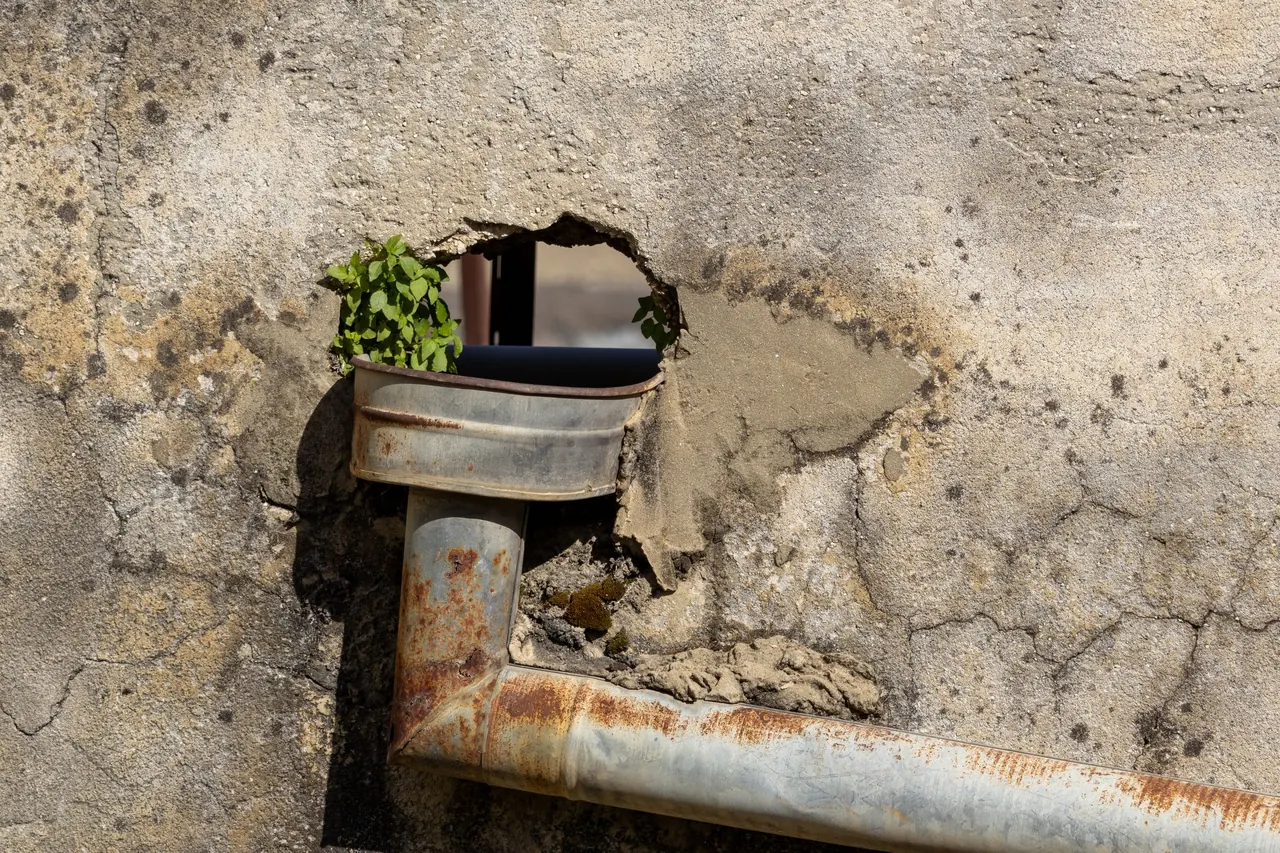
Keeping a Denmark Road run in cast iron
A leaking cast iron joint is taken apart, cleaned, resealed and rebolted. A cracked length can be lifted out and replaced with a matching section, half-round or ogee, so the run stays cast iron. Rusted brackets are swapped for new ones, and if the fall has gone because part of the run has dropped, we reset it so water reaches the outlet again.
If the fascia behind has gone soft, new brackets won't hold, and the boards need replacing first through our fascias and soffits in Kingston. Where most of a run is cracked or rusted through, repairs stop being good value, and a new gutter system is the better answer. MyJobQuote's gutter repair cost guide gives a national range of roughly £60 to £150 for resealing or mending a leaking joint, and the main gutter repairs page lists the full range of repairs we carry out.
Frequently asked questions
How can I tell if a Portland Road cottage still has cast iron gutters?
Tap a downpipe with a coin. Cast iron rings and feels cold and solid, while plastic gives a dull knock. Cast iron also has bolted joints and a thicker, heavier edge. If yours are cast iron and mostly sound, they are usually worth repairing.
A bracket has snapped on our Denmark Road villa and the gutter has dropped. Is it dangerous?
A length of cast iron is heavy, so keep people away from a section hanging over a path or front door until it is secured. We refix it on new brackets and check the ones either side, which are usually in a similar state.
Why does the joint above our bay on Springfield Road leak every winter?
Often because it was resealed with mastic over rust, which lasts a season and then lets go. Taking the joint apart and resealing it on clean metal lasts much longer. Leaves sitting at the joint also hold water there, so keeping the run clear helps.





