



 Google reviews

Ladders and traffic on Albert Road and Hawks Road
On Hawks Road a ladder at the front of a house goes up a few feet from fast traffic, on a narrow pavement, beside local shops. Kingston Council's character study describes Hawks Road as a very busy, fast road with narrow pavements. Albert Road, which joins it, has some fine two-storey Victorian houses and no street trees; the study called it a rat-run, and the council has since closed it to through traffic at the Hawks Road junction.
That shapes how a repair is done. We set up so that the pavement stays usable, keep the work short, and do as much as possible from the back where the house allows. The gutters themselves are a mix: original cast iron on some houses, old uPVC on many, sometimes both on one house.
The faults are mostly small. A joint seal dries out and drips. A bracket rusts, or its screws lose grip in a soft fascia, and the run sags so water pools in the dip. A downpipe joint slips and water runs down the brickwork instead of into the drain. Each can usually be put right without replacing the system. Where a shop front sits below the gutter on Hawks Road, a drip onto a sign or awning is often the first warning, and one resealed joint stops it.
Hampden Road and Vincent Road
In a different part of Norbiton, the study describes cottages on Hampden Road and a largely undisturbed two-storey street on Vincent Road. Smaller houses like these have lower eaves and shorter runs, which makes repairs quicker, but the downpipes matter more. Where a downpipe discharges onto a path or against a wall instead of into a gully, the wall stays wet and the brickwork at the bottom suffers.
We check where each downpipe ends as well as the gutter itself. A cracked downpipe shoe, or an old connection to a gully that has silted up, can be the real cause of a damp patch by the back door.
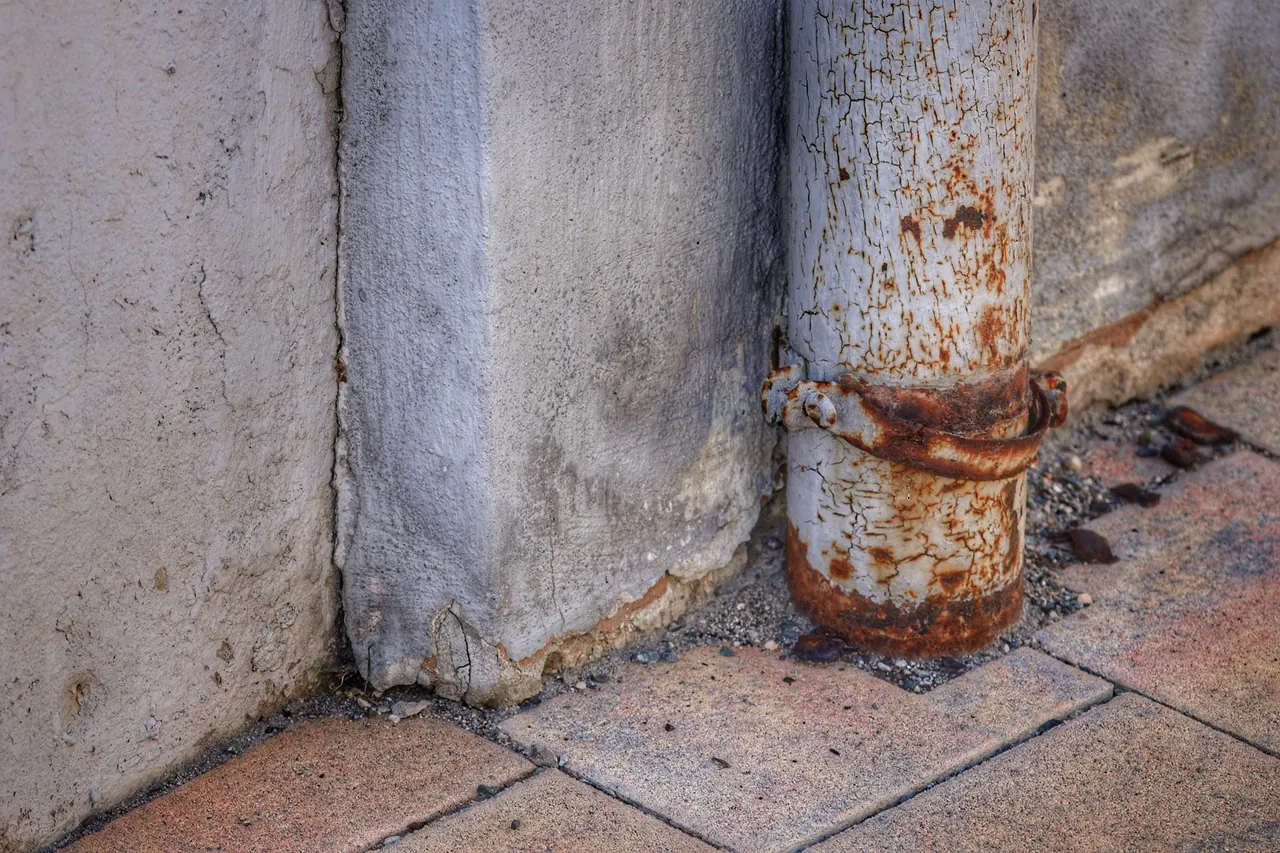
Cast iron that can still be saved
On the older Victorian houses on Albert Road, sound cast iron can usually be resealed and refixed for many more years, and it is worth keeping where it survives. We look along the whole run, its brackets and the board behind, because one failed joint often means others of the same age are close behind. If the fascia is soft and the brackets will not hold, that comes first, and our fascias and soffits in Norbiton page covers it. If most of a run has failed, our gutter installation page for Norbiton explains what a new system involves.
For a sense of scale, MyJobQuote's gutter repair cost guide gives a typical UK figure of £60 to £150 for resealing or repairing a leaking joint. The price on a given house depends on how many joints and brackets need attention and how easy the access is. More on the service is on our main gutter repairs page, or ring 0330 133 4111.
Frequently asked questions
Can you repair the front gutter on Hawks Road without blocking the pavement for long?
Yes. Most joint and bracket repairs are short once the ladder is up, and we set up to keep a way past. If the work is longer, we plan it for a quieter time of day.
The downpipe on our Vincent Road house discharges onto the path. Can it be rerouted?
Often. We can extend or move the downpipe into a gully or a water butt, provided there is a drain or a suitable place for the water to go. Leaving it on the path keeps the base of the wall wet.
Our Albert Road house still has its cast iron gutters. Is a leaking joint worth repairing?
Usually, if the iron itself is sound. A cast iron joint can be cleaned, resealed and rebolted. If the section is cracked or rusted through, that length can be replaced on its own rather than the whole system.





