



 Google reviews

What the Old Town appraisal asks for
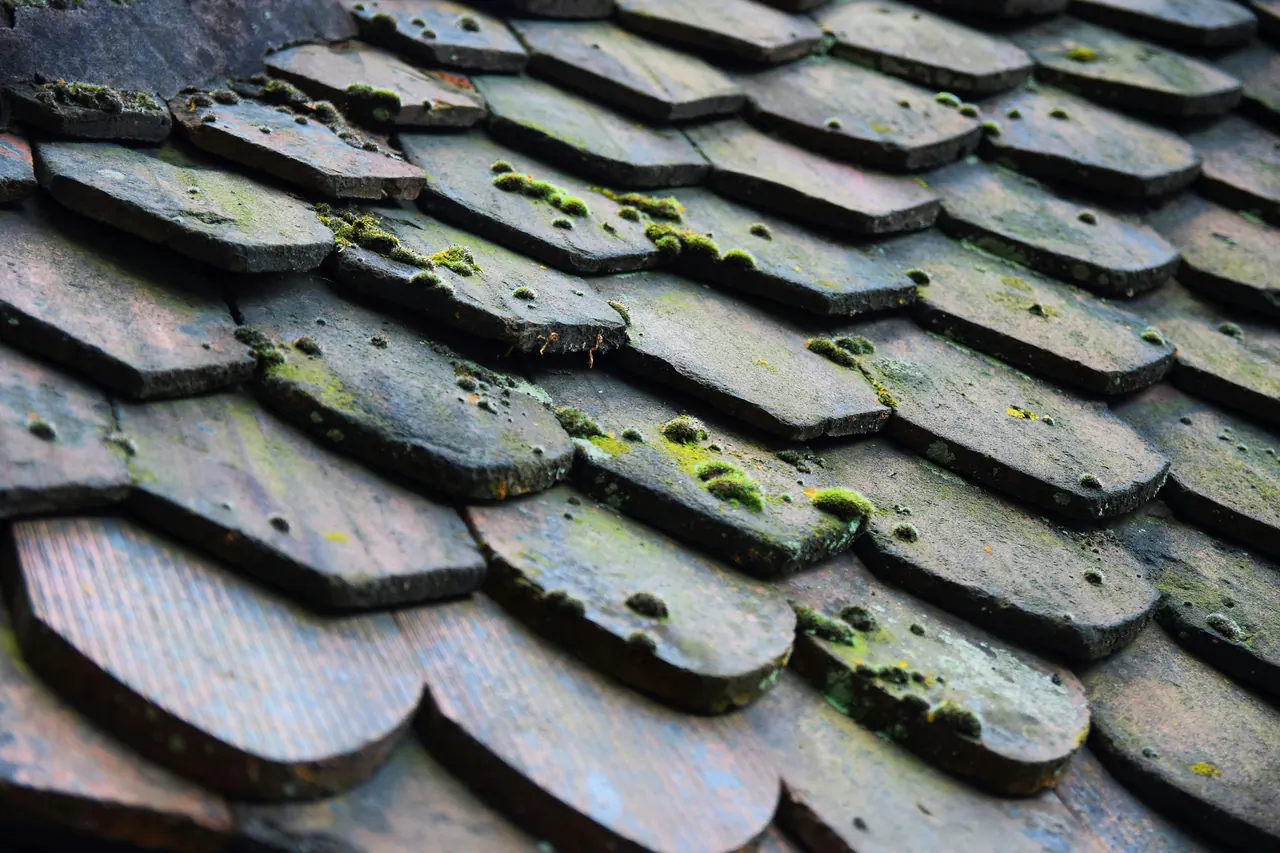
A re-roof in the Old Town starts with a decision that has already been made for you. The council's 2006 Old Town appraisal says roof forms there vary from building to building, with slate next to clay tile and hipped roofs next to mansards and gables, and treats that mix as part of the area's character. Its policy is that traditional roof forms and natural slate and clay tiles will be required wherever a roof can be seen from the street or from surrounding buildings. Concrete roof tiles and artificial slate are strongly resisted.
For a building on the Market Place, Church Street, Thames Street or the High Street, that settles the main question. The new covering goes back in the same material and the same form: a hipped roof stays hipped, and a slate roof next to a tiled one stays slate. Replacing like for like is normally treated as maintenance. The Old Town has no Article 4 Direction, according to the council, but that doesn't loosen the appraisal's line on materials, so if you want anything other than like for like, talk to the Royal Borough of Kingston upon Thames before choosing a covering.
The High Street also has late 20th century flat roofs and lead-clad mansards, and the appraisal says mansard proposals are judged on their merits. A flat roof hidden behind a parapet is a different job, covered on our Kingston flat roofing page.
Slate and tile hanging in north Kingston and the Fairfield
Away from the centre, many older Kingston houses are Victorian, and a re-roof there is usually natural slate going back on natural slate. On the Richmond Road houses of the 1890s, the work goes beyond the slopes: tile hanging on the gables is part of the same weathering, and where the hanging tiles are slipping it makes sense to deal with them while the scaffold is up.
On roofs like these we take the covering, battens and old underlay back to the rafters, replace rotten timber after showing you what we found, then lay a breathable membrane, new battens and the new covering, with fresh ridges, valleys and leadwork. Sound slates can often go back on a rear slope, with new slate made up on the front, or the other way round if you want the old slates to stay on show. Decorated ridge tiles, which the council's Canbury study notes on the villas at 210 to 226 Richmond Road, are lifted with care and rebedded.
If only one slope or a junction is failing, a roof repair in Kingston may be enough, and our post on how long a new roof lasts puts the age of yours in context.
Scaffolding over Old Town pavements and up Kingston Hill
Getting the scaffold up is often the first puzzle. In the Old Town, buildings stand on the back of the pavement and shops trade below, so the scaffold needs a licence for the footway and a covered way over the shop entrance. On the semis around the Fairfield and Canbury, a scaffold may have to wrap onto a shared boundary, which means agreeing access with neighbours. For houses fronting Kingston Hill, the A308, deliveries and any skip have to be planned around the traffic.
While the scaffold is up is the cheapest moment to renew gutters and roofline boards, so we can price fascias and soffits alongside. For a published guide figure, MyJobQuote puts re-roofing a typical three-bed semi with a simple gable roof in London at £4,000 to £4,900, with scaffolding on top. Natural slate on a three-storey Old Town building will sit well above that. Our main roof replacement page explains each stage.
Frequently asked questions
A Thames Street building has slate on one roof and clay tile on the other. Should both be kept?
Yes, as a rule. The Old Town appraisal treats slate next to clay tile as part of the area's character, so each roof goes back in its own material. We price the two coverings separately in the quote.
Can the scaffold for a re-roof on Kingston Hill stand on the pavement?
Only with a licence from the highway authority, and often with a covered walkway underneath. We plan the layout so the footpath stays usable and build the licence into the timetable.
Does re-roofing a Fairfield house mean upgrading the loft insulation?
Usually. Re-roofing is normally notifiable under Building Regulations, and when most of a roof is renewed the insulation generally has to be improved where that is practical. We build that into the job and explain what it means for your loft.





