



 Google reviews

Kelvin Grove, a street built as one piece
Kelvin Grove was laid out on a confined field after the war, and still manages grass verges, street trees and a sweeping curved end, with detached two-storey houses well spaced along it. Kingston's character study for Hook singles it out for exactly that. What ties them together is the roof: large hipped roofs in clay tiles, gables over the two-storey bays, integral garages and jettied front bedroom windows. The study suggests Kelvin Grove, with Elmcroft Drive, for consideration as a Local Area of Special Character.
A street like that works as a set. When one roof is re-covered in something different, the change shows from the end of the road. So a re-roof here starts with the same question every time: how do we renew everything under the tiles and still leave a roof that looks like its neighbours?
What gives up under a hipped clay roof
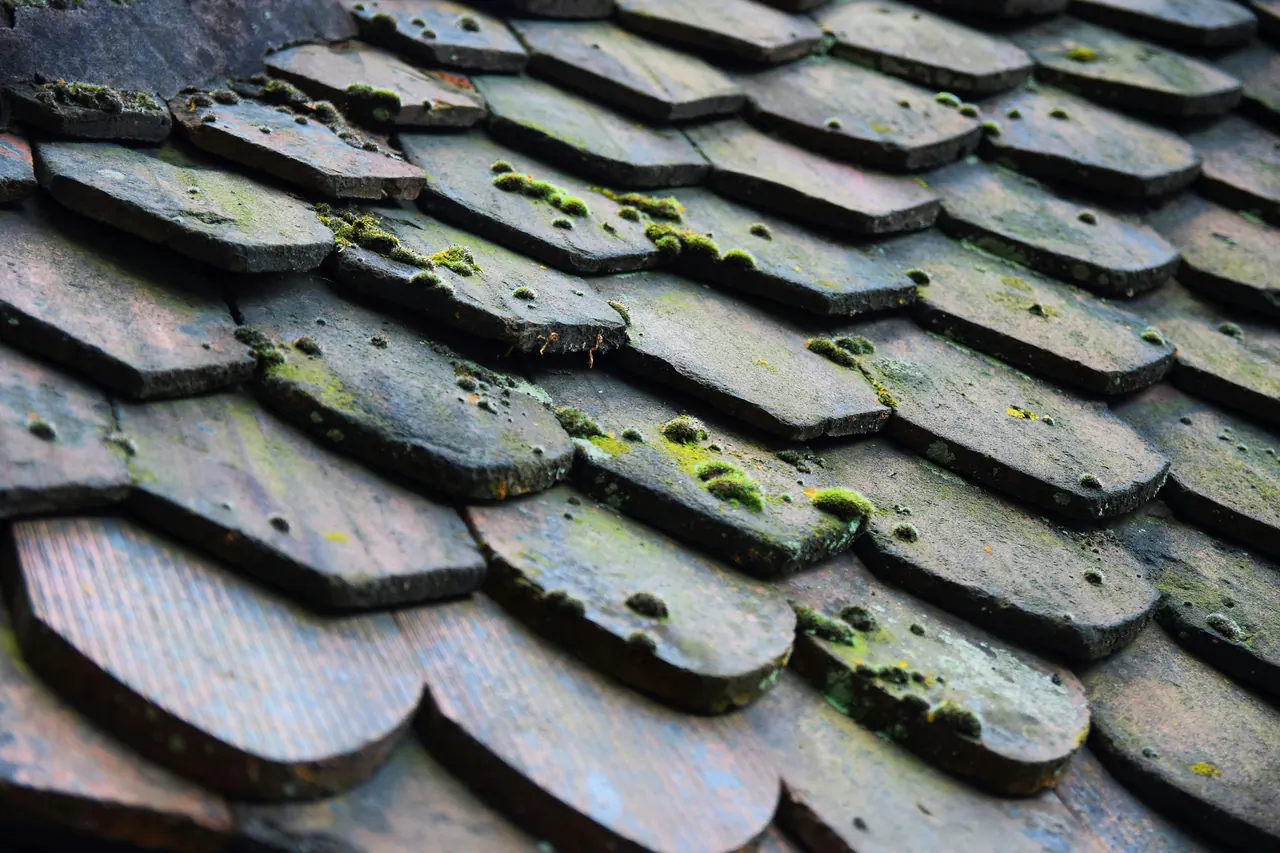
Clay tiles can last a long time, and on most of these houses they are plain tiles, which we confirm at survey. On a roof of this age the tile is often not the problem. What gives up first is what holds it:
- Nails. Plain tiles hang on nibs, with some courses nailed. As the nails rust, tiles slip and courses go out of line.
- Battens. Old softwood battens soften where water has got past the tiles, and a soft batten cannot hold a new nail.
- Hips and valleys. A big hipped roof has a lot of hip, and hip tiles and bonnets are bedded in mortar that cracks over the decades. Valleys between the main roof and the bay gables wear their linings thin.
- Underlay. Roofs of this period may have an early felt or none at all, and once that has gone brittle, any water past the tiles goes straight onto the timbers.
When the repairs keep coming back in different places, and the loft shows damp in more than one spot, patching has stopped being good value. Our guide on telling a repair from a replacement sets out the signs.
Keeping the Kelvin Grove look
The right covering for most of these houses is clay tile again, in the same format as the original. The aim is a tile close in colour, size and camber to the original, with matching hip and ridge tiles. New clay tiles start brighter and tone down with weather. Where the originals are sound, we can set aside the best of them and re-use them on the front slope, so the face the street sees changes least, and put new tiles on the rear.
Concrete interlocking tiles are cheaper and quicker to lay, but they are larger, sit in fewer courses and look flatter. On a roof the size of these, that difference is very visible.
Bay gables, the jetty and the garage roof
A Kelvin Grove roof is more than its main slopes. The gables over the two-storey bays each have their own verges and a valley where they meet the main roof. The jettied front bedroom windows push the wall out under the eaves, so the lead and the tiles along that line need fitting with care if the eaves are to come back at the same height. Where the integral garage has a small roof of its own, it is tied into the same tiled form.
All of those are stripped and renewed with the main roof, back to the rafters, with new membrane, battens and lead. Leaving any of them means two ages of roof side by side and a join that is likely to leak first. Building Regulations normally expect insulation to be improved during a re-roof, and the Planning Portal's re-roofing guidance explains how that works.
With the scaffold already up, it is the cheapest time to renew the roofline too, so we can price new fascias and soffits for a Hook house alongside the roof. The main roof replacement page covers the process in more depth.
For budgeting, the national figures in MyJobQuote's new roof cost guide give £5,250 to £5,750 for a standard hipped roof on a three or four bedroom detached house, rising to £6,750 to £7,250 with two valleys, before scaffolding. The guide does not name a tile, and clay usually costs more than concrete.
Frequently asked questions
Can the jettied front of a Kelvin Grove house be kept as it is during a re-roof?
Yes. The jetty is part of the wall below the roof, but the flashings and tiles where the roof meets it are renewed with everything else, and we take care that the eaves line over it comes back at the same height.
How many of the old clay tiles on a Kelvin Grove roof can be saved?
It varies from house to house. Tiles come off by hand and are sorted on the scaffold: any that are cracked, flaking or soft from frost are set aside, and the sound ones are kept for the front. We can only say how many survive once the roof is open, so the quote allows for both cases.
Kelvin Grove has been suggested as a Local Area of Special Character. Does that stop me re-roofing?
No. The character study suggests Kelvin Grove and Elmcroft Drive for consideration as a Local Area of Special Character, which is not the same as a conservation area or an Article 4 direction. Re-covering in a similar clay tile does not normally need planning permission, and it is also the choice that keeps the street reading as a set.





