



 Google reviews

Grove Crescent and the top of the hill
Near the top of Camberwell Grove, nos. 169 to 183 form Grove Crescent, a Regency terrace that Southwark's appraisal dates to 1819, the same year Grove Chapel was built. It faces a long narrow green and is protected under the London Squares Preservation Act. The roofs are the type Southwark describes across the whole hill: natural slate at a low pitch, with the front often finished in a parapet.
A low slope sheds water slowly. While every slate sits tight it is a sound roof, but once one slips, rain blown across the slope finds the gap far more easily than on a steep tiled roof. On a slate roof that has not been relaid in living memory, the slates hang on old iron nails, and as those rust through the slates slide one at a time. Repairs on the crescent are like for like: natural slate matched in size and colour to its neighbours, and lead, not mastic, at the abutments.
Two kinds of roof on one stretch of Grove Lane
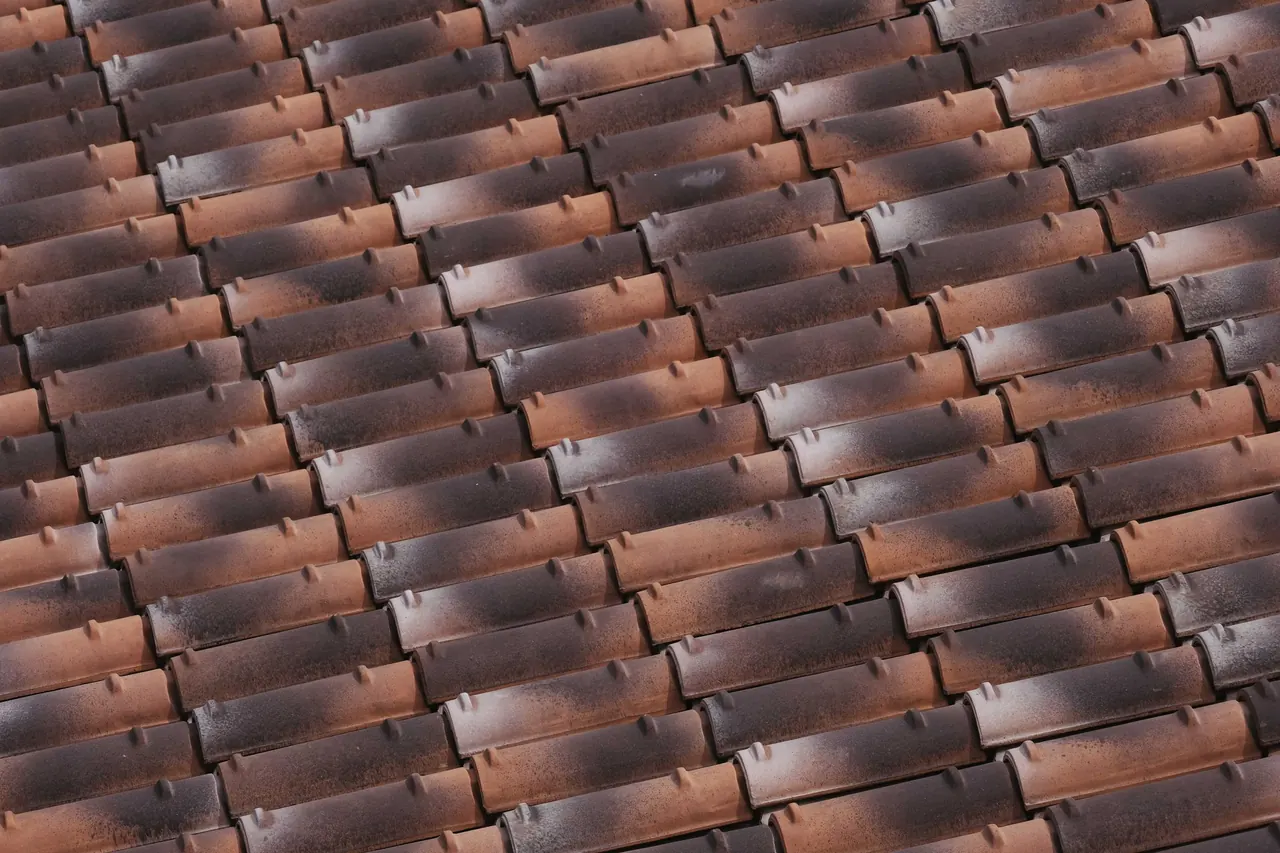
Grove Lane changes character every few doors. At 79 to 85 there is an early group, including no. 83, a listed early 19th century house in stuccoed Gothick style. A few doors along, at 69 to 77, Southwark records good late Victorian houses with strong gables and linking porch roofs, some re-roofed in slate and some in brown concrete tiles.
Those are different repairs. On slate, the usual work is re-fixing or replacing individual slates with copper or stainless clips, re-dressing lead at the stacks and party walls, and re-bedding ridges where the mortar has gone. On concrete tiles, broken tiles can be swapped while the battens are sound, but the first thing to check is whether the battens and timbers still have years left in them. Concrete tiles are heavy, and a roof that was built for slate and then carried them for decades may be due for more than a repair, a question our Camberwell re-roofing page takes up.
Jephson Street's half dormers
Near the foot of Grove Lane, just south of Camberwell Church Street, Jephson Street is a listed close of mid-19th century two-storey houses with basements and half dormers, in stock brick with stucco dressings under slate. The weak points are small and easy to miss: the little roof over each half dormer, the lead around its cheeks, and the junction where the dormer meets the main slope.
Because the houses are listed, repairs keep to the same materials and the same detail. A cheek re-leaded in the original way keeps the house as it was listed. Swapping lead for a modern substitute, or slate for something else, changes it, and that is a matter for Southwark before anyone starts.
What Southwark lets you fix without asking
The Camberwell Green appraisal lists re-fixing loose roof slates, repointing failed mortar and clearing gutters as minor maintenance that needs no authorisation, and warns that neglecting them can lead to more complex and expensive work later. That is a fair summary of how a slate roof ages here. One slipped slate is a small job. A winter of gales through the gap lifts the slates beside it, wets the battens and turns into a much bigger one.
If water is already coming through, our page on urgent roof repairs in Camberwell is the place to start. For the general picture of how we approach slate, tile and lead work, see the roof repair service page, and the Dulwich side of the hill is covered by our roof repair in Dulwich page.
Frequently asked questions
Does Grove Crescent's protected status affect a small slate repair?
Not for like-for-like work. Re-fixing a loose slate or renewing a lead flashing in the same material keeps the terrace as it is. The London Squares Preservation Act protects the crescent's green, and if a repair would change how the houses look, check with Southwark first.
Are the concrete-tiled houses on Grove Lane worth repairing?
Often, yes, if the battens are sound and the faults are in one place. If the roof sags or tiles are failing all over it, a re-roof in slate may be better value, and we show you the photos that point either way.
Can you repair the half dormers on a Jephson Street house?
Yes. Like-for-like repairs to the slate, lead and timber of a half dormer keep the house as it was listed. Anything that would change how the dormer looks needs listed building consent from Southwark before work starts.





