



 Google reviews

Addington Square's listed houses
Addington Square, off Camberwell Road beside Burgess Park, was built up from the early 1800s. Its first house, now no. 48, was finished by 1810, and the houses on the east, south and west sides are Grade II listed. On a listed building, a change of material on the outside, such as cast iron gutters swapped for plastic, is the kind of alteration that can need listed building consent. New rainwater goods on these houses normally follow what was there.
Cast iron is heavy and goes up differently from plastic. Brackets are screwed or driven into sound timber or masonry, joints are bolted and sealed, and each length is painted to keep rust out. On a tall Georgian front the downpipe is as visible as the gutter, so its line, its fixings and its hopper head matter as much as the run along the eaves. Where an old hopper or ogee length can be saved and reused, it usually should be, since a good original piece is better than a near match.
Southwark's conservation guidance for Camberwell Grove and Camberwell Green favours traditional materials and is critical of modern substitutes on historic fronts. Gutters are not singled out, but on a listed or prominent house, cast iron to the original profile is the safe choice, and it is the one that looks right along a terrace.
Behind the parapets of lower Camberwell Grove
Many houses on lower Camberwell Grove have no front gutter. Their roofs sit behind coped parapets and drain into a gutter lined in lead behind the wall, then out through an outlet to a downpipe. That hidden gutter is lined rather than hung, so it is a leadwork job, not a gutter installation.
The new gutter work on these houses is mostly at the rear: eaves gutters on back additions and outriggers, where a lower roof drops water onto a yard, and the downpipes that carry water from the parapet outlet down to the drain. A long downpipe on a stucco or stock-brick wall has to be jointed and fixed properly at every storey, because a leak high up marks the whole wall below it. Our page on gutter repairs in Camberwell explains what that water does to lime stucco.
Whatever the material, the gutter is sized for the area of roof draining into it, because an undersized gutter overflows in a downpour even when it is clean. On a back addition below a large main roof, that can mean a bigger profile than the one it replaces.
Jephson Street, the villas and the post-war houses
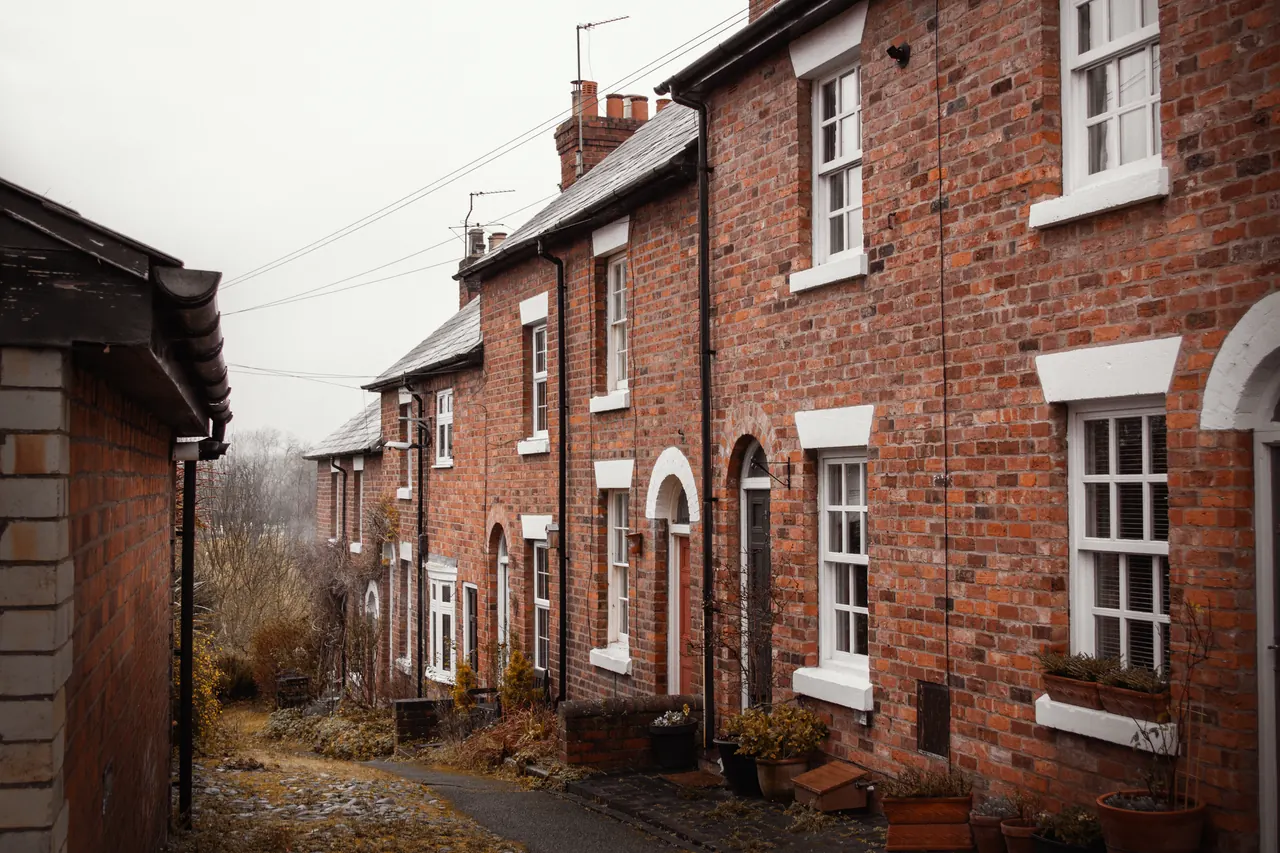
The listed houses of Jephson Street, near the foot of Grove Lane, ask for the same approach as Addington Square: cast iron to the existing pattern.
The detached Victorian villas at the eastern end of Love Walk are a different case: their roofs overhang the walls, so the eaves gutter is the whole job and the timber behind it has to be sound. Our Camberwell fascias and soffits page covers those boards. Grove Park and Champion Grove, built later in revival styles, have tiled roofs with proper eaves, and post-war blocks and rear extensions usually take a standard profile in uPVC or aluminium. For long straight runs on a later house, our seamless gutters in Camberwell page explains the jointless option, and the main gutter installation page compares the materials in full.
Frequently asked questions
What gutters should go on a listed house in Addington Square?
In most cases, cast iron to the same profile as the original, painted to match the rest of the square. Changing to a different material on a listed building may need listed building consent, so check with Southwark before planning anything else.
My house on lower Camberwell Grove has no front gutter. Where does the water go?
Into a gutter hidden behind the parapet, then through an outlet to a downpipe, often at the back or between houses. New gutter work on these houses is usually on the rear additions and the downpipes.
Will new cast iron gutters on my Jephson Street house need painting?
Yes. Cast iron is primed and painted when it goes up, and it needs repainting every few years after that, inside the gutter as well as out, to stop rust taking hold at the joints. Keeping the paint up is what lets cast iron last for generations.





