



 Google reviews

Hips and eaves on the Italianate villas
Along Leigham Court Road, the villas built from the 1840s after the road was laid out in 1839 are roofed in natural slate on hipped roofs, with the slate carried out over deep, overhanging eaves. Four slopes meet along hip lines that run down to the corners, and each of those lines is a joint, bedded in mortar or fixed dry under hip tiles.
On roofs this old the slates themselves are often still sound. What gives out is what holds them: the nails corrode, a slate slides down out of line, and rain gets onto the felt or straight onto the battens below. Hip mortar cracks and washes out, and the hip tiles start to move. Along the eaves, the bottom course of slate is the most exposed part of the roof, and a slipped slate there can let water run straight onto the top of the wall.
We refix slipped slates, replace broken ones with natural slate of the same size and colour, and rebed and repoint the hips where the mortar has cracked. Before we leave we check the slates around the repair, because a nail that failed after a century and more usually has neighbours in the same state.
What a slate or hip repair costs
The cost of a repair here depends on height, access and how much of the roof is affected. As a national benchmark, MyJobQuote's roof tile replacement guide (updated October 2026) puts replacing five broken slates at £225 to £260 where no scaffold is needed, against £170 to £200 for clay tiles. Those are national guide figures, and a tall villa that needs a scaffold tower will cost more.
Our own price comes in a free quote, and we can often visit and quote on the same day you call. Repairs carry our 10 year guarantee. If the visit shows the roof is past patching, the roof replacement page for Streatham Hill explains what a full re-roof involves.
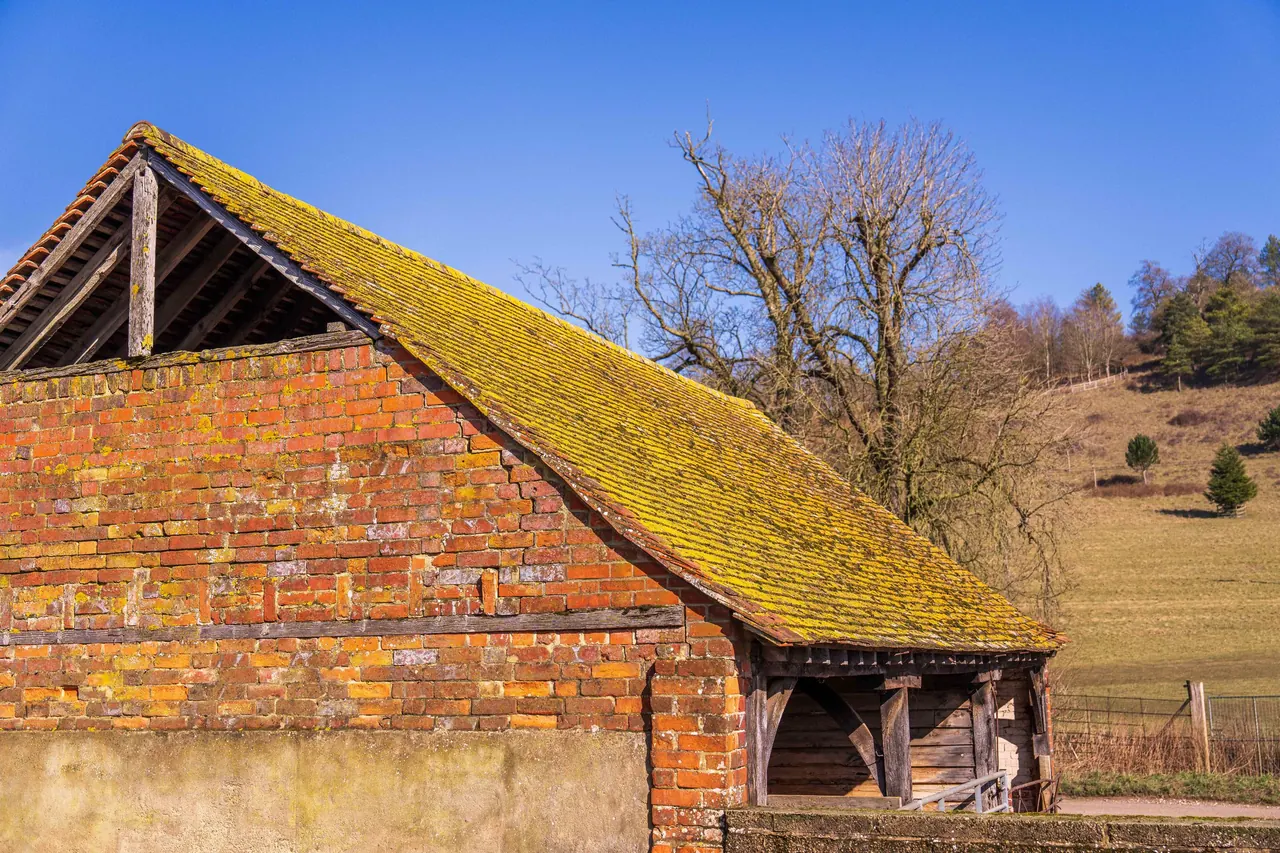
The Grange and the clay-tiled later houses
Not every house on the road is slate. The later Victorian houses were finished in clay tiles, and The Grange at No. 76, built in 1883, has a complicated, asymmetric roof with gables, a turret and a triangular dormer, all in clay tile. Roofs like that leak where the planes meet: in the valleys between gables, at the foot of the turret, and around the dormer cheeks.
Old clay tiles hang on nibs and nails, and once a nib snaps or a nail rusts through, a tile slips and the ones above lose their support. We replace them with clay tiles as close as possible in size, colour and camber, reclaimed where that gives the better match, and re-lay valley tiles or renew lead valleys where they have cracked. Because the house is in the Leigham Court Road (North) conservation area, a patch in a different-looking tile on a front slope is something we would steer you away from.
Mansard dormers and pantiled belvederes on the 1930s blocks
Across the main road, the interwar blocks bring different repairs. Wavertree Court, designed by Frank Harrington in 1933, has Dutch-style mansard roofs with dormer windows and return gables. A mansard is steep at the bottom and shallow on top, and the dormers set into the steep face each have cheeks, a small roof and a lead apron, all of which can let water in. When a top floor flat gets a drip under a window in heavy rain, the dormer is the first place to check.
Telford Court, Harrington's earlier block of 1931, has four pantiled belvederes standing on its roof above the shops. A pantile interlocks along one edge, so on small exposed roofs like those a single cracked or displaced tile can let wind-driven rain run sideways under its neighbours. We replace or refix the tiles and renew the lead or mortar where the belvedere meets the main roof.
On a block or a divided villa, the roof is normally the freeholder's responsibility. We are happy to report through the managing agent, with photos for every leaseholder, so the repair is agreed once and done once. If the leak turns out to be around a stack, our chimney work in Streatham Hill covers the lead and pointing there, and our main roof repair page covers the repair types in more detail.
Frequently asked questions
A slate has slid off the hip of our Leigham Court Road villa. Is that a one-off?
Sometimes, but on a slate roof that has been up since the Victorian era, one failed nail usually means others are close. We refix the slipped slate and check the ones around it, and tell you if a wider repair is coming.
Water comes in under a dormer in our Wavertree Court flat. Where should we look?
Start with the lead apron below the window and the cheeks either side, then the roof covering beside the dormer. A blocked gutter at the foot of the mansard can also back water up. We check all of these before quoting.
We own the top flat in a divided villa on Leigham Court Road. Who arranges the repair?
That depends on your lease, but usually the freeholder or the owners together. We can quote to whoever is responsible and send the same photos to every flat.
Can a clay tile valley on a gabled house like The Grange be repaired without stripping the roof?
Often, yes. We lift the tiles either side, renew the valley lining or valley tiles, and relay them. If the battens underneath have rotted along the valley, we will show you before going further.





