



 Google reviews

The join between slate and tile
A stain on a top-floor ceiling on Dalebury or Crockerton Road often sits below a line on the roof rather than a hole in it. These houses were roofed in natural slate. Over the decades, some owners have had a slope or part of a slope re-covered in concrete tile or artificial slate, as Wandsworth Council's 2007 draft Holy Trinity appraisal records.
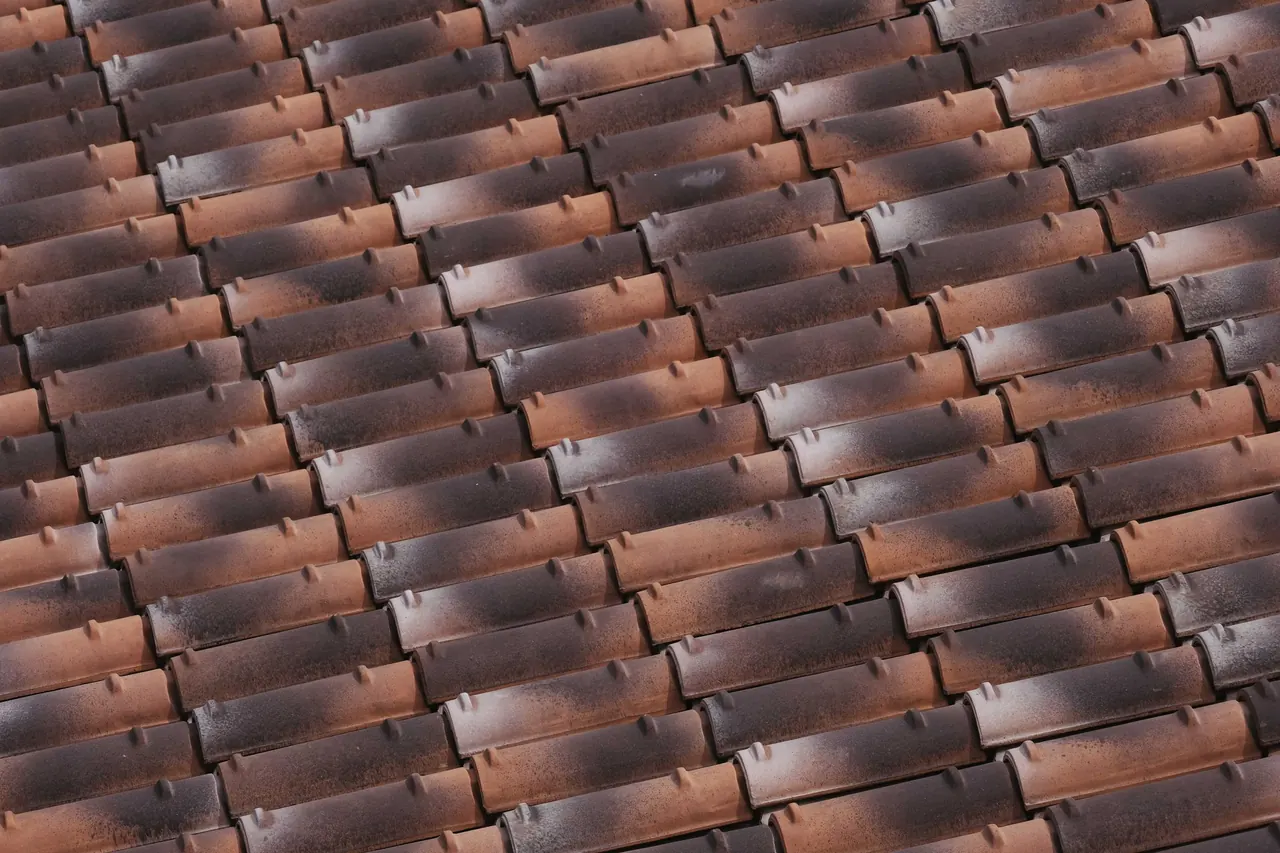
Slate and concrete tile sit at different thicknesses, lap differently and need different fixings. Where a previous roofer has butted one against the other, the join is often dressed with mortar or a strip of lead that has since cracked. Rain driven along the slope finds that line before anywhere else.
The repair is to lift the slates and tiles along the join, re-lap each material properly and weather the line with lead instead of mortar. On an original slate slope we repair in slate, with matching slates fitted on clips or tingles where one cannot be renailed. On a slope already in tile, we repair in matching tile.
Gables and wings on Trinity Road
Heaver's villas at 121 to 147 Trinity Road have a three-storey gabled front and a two-storey wing beside it. That gives them two faults the terraces round the corner do not have.
- Gable verges. The verge slates on a tall gable take wind-driven rain side-on. When the mortar bedding under them washes out, they loosen and rain blows underneath.
- The step down to the wing. Where the lower roof meets the taller wall of the front, the flashing does all the work. Old lead splits, and past repairs in mastic or flashing tape lift in sun and frost.
Several houses in that group have been rendered, pebbledashed or clad. Where the new finish runs up to the roof, cracks at the top of it can let water behind, so we check the wall head as well as the slates.
Leaks beside a stack are often a chimney fault, covered on our chimney repairs for Upper Tooting page.
Three-storey bays and what access costs
Height is the other thing that shapes a repair here. On Dalebury Road the bays at 1 to 11 and 2 to 14 are two storeys, and on Crockerton Road the bays at 1 and 2 to 12; further along both roads the bays rise to three storeys. The houses at 5 to 19 Trinity Crescent are three storeys over basements.
A slipped slate low on a two-storey slope can often be reached with a roof ladder. Higher up, it may need a tower or a section of scaffold, and on a house over a basement that access can cost more than the slate itself. Where the damage is hard to see from the ground, a drone flight first means the access goes up in the right place.
For a rough idea of the slate itself, Which? gives a published range of £75 to £400 plus VAT for replacing one to six standard roof tiles, towards the top in London. Natural slate and high access both push a job up from there.
When patching stops making sense
If slates are slipping all over a slope because the nails have gone, refixing a few only buys a season or two. Our guide on repair versus full replacement sets out how to tell, and our Upper Tooting roof replacement page covers the next step.
Frequently asked questions
Water comes in where the tile patch meets the old slate on my Dalebury Road roof. Can that join be fixed on its own?
Usually, yes. The join is rebuilt so each material is properly lapped and the line is weathered with lead. If the patch itself is failing, you hear that before work starts.
Can I put slate back where a previous owner used concrete tile on my Crockerton Road house?
Returning to natural slate restores the original covering, which the Holy Trinity appraisal encourages. Raise it with Wandsworth Council's planners first, since the road is in the Wandsworth Common Conservation Area.
The gable verge on my Trinity Road villa lets water in. Will it need scaffold?
On a three-storey gable, often a tower or a short run of scaffold at the verge rather than a full front. Drone photos show the extent first, so the access is sized to the job.





