



 Google reviews

When the shop downstairs gets wet first
On a parade along Tooting High Street or Mitcham Road, the first sign of a roof leak is often a stain on a shop ceiling or water down the back wall of a stockroom. By then it has already passed through the flat above, or along a joist, or down inside the wall. That is why the first job on a parade repair is following the water back up to where it entered.
The council's own assessment of the town centre finds its buildings in a mixed state of repair, with historic features on many upper storeys degraded. On a roof that usually shows up as lead that has cracked and lifted at abutments, ridge and hip mortar that has washed out, slates or tiles slipped from corroded nails, and patched felt on the rear roofs. Any of these can be the source, and on an older parade there may be more than one.
We look at the roof from above with the drone first where access is awkward, then go up to the section that needs work. The repair is to the cause: re-fixing a course of slates whose nails have gone, renewing a flashing in lead, or cutting out and patching a split in a flat roof, rather than smearing sealant over the stain's nearest neighbour.
Concrete tiles off Tooting High Street
In the Mellison Road Conservation Area, a few minutes' walk from the Broadway, the council records that almost every house now has orange or brown interlocking concrete tiles in place of its original slate. What could go back on those houses is covered on our roof replacement page for Tooting Broadway.
Concrete interlocking tiles bring their own repair list. Individual tiles crack, especially where someone has walked on them to reach a dish or a chimney. Ridge and hip tiles were usually bedded in mortar, which shrinks and lets go. And the underlay laid with an older re-roof is often a bitumen felt that has perished at the eaves, so water that gets past a tile is no longer caught.
Single concrete tiles can usually be replaced, and we match the profile and colour as closely as we can find. If the underlay has failed across the roof, we explain why a re-roof may be the better money rather than selling you a string of patches.
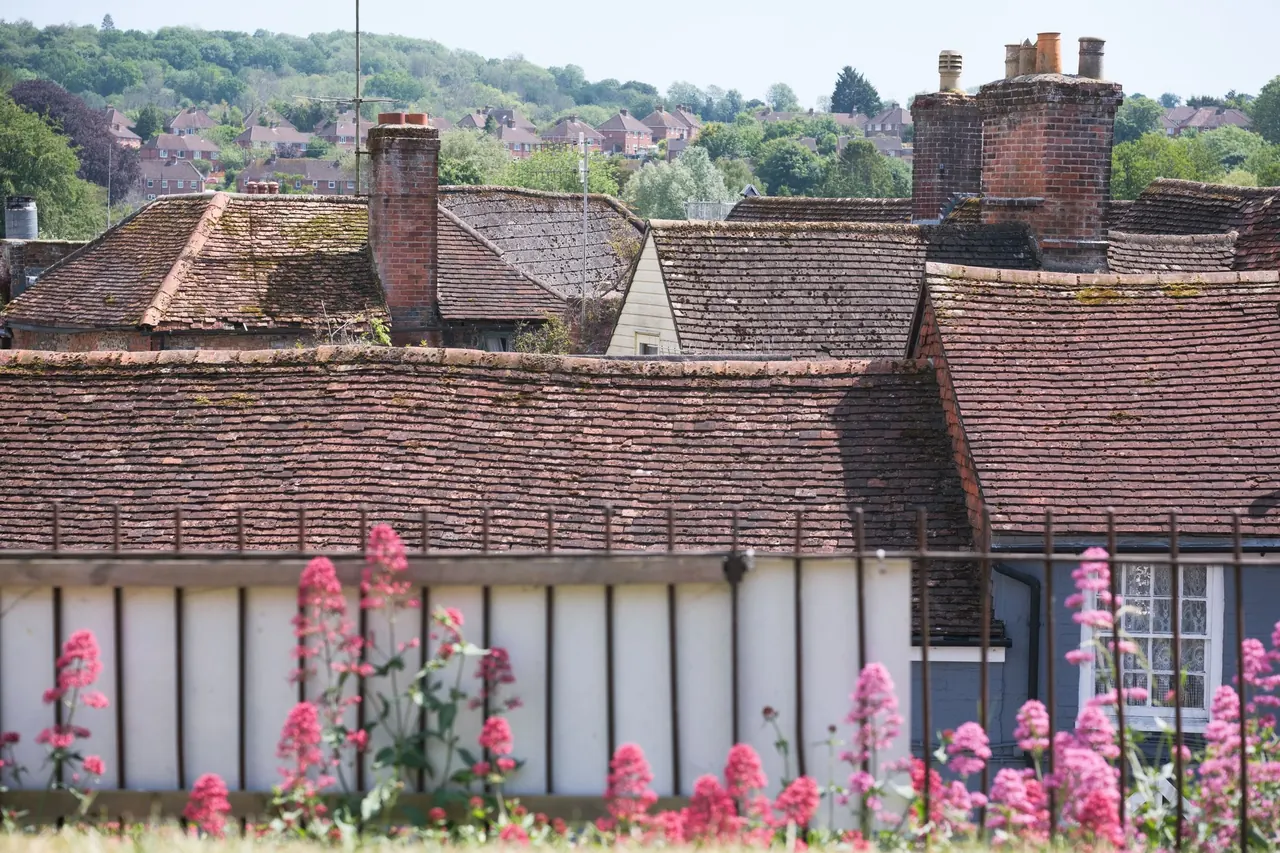
Back additions behind the parades and terraces
On the terraced houses behind the High Street, and on the parades themselves, the weak points are at the back: the valley or flashing where the back addition meets the main wall, the small roof over the back addition itself, and the joint where a newer extension has been built up against the old one.
Water getting in at those junctions often shows up some distance from where it entered, on a bedroom ceiling of the downstairs flat or down a chimney breast. We trace it from the outside in and fix the joint properly, with lead dressed into the brickwork. Where pebbledash has been taken up to the roof line, it can hide a flashing that was never let into the brickwork at all, and that has to be opened up to be put right.
If you want to compare what to look for yourself, our guide to warning signs before winter lists the main ones, and our main roof repair page covers every type of repair we carry out. We can often visit and quote the same day. If water is coming in right now, ring 0330 133 4111.
Frequently asked questions
Water is dripping into our shop on Mitcham Road. Is it the roof or the flat upstairs?
It can be either. If it gets worse in rain and stops in dry weather, the roof or gutter is the likely source. If it drips in dry weather, a pipe in the flat is more likely. We check the roof and tell you plainly if the water is not coming from it.
Can you repair the roof over a Tooting High Street shop without going through the shop?
Usually, yes. Most parade roofs can be reached from the rear yard, from the flat above or across a lower back roof, so the shop can keep trading. Work on the street face is different, because anything standing on the pavement needs a council licence first.
Our pebbledashed terrace leaks where the back addition joins the house. What is likely to be wrong?
Usually the flashing or valley at that junction. Old lead cracks, and render taken up to the roof line can hide a flashing that was never properly let into the brickwork. We open it up and re-make it in lead.





