



 Google reviews

Two short valleys beside the front gable
The typical house on the 1877 roads, from Cavendish to Wilton Road, has a front gable projection: a small gabled roof over the bay that juts out from the main slope. Merton's borough character study names it as one of the defining features of these streets, alongside the red tiled roof and the raised parapets at the gable ends.
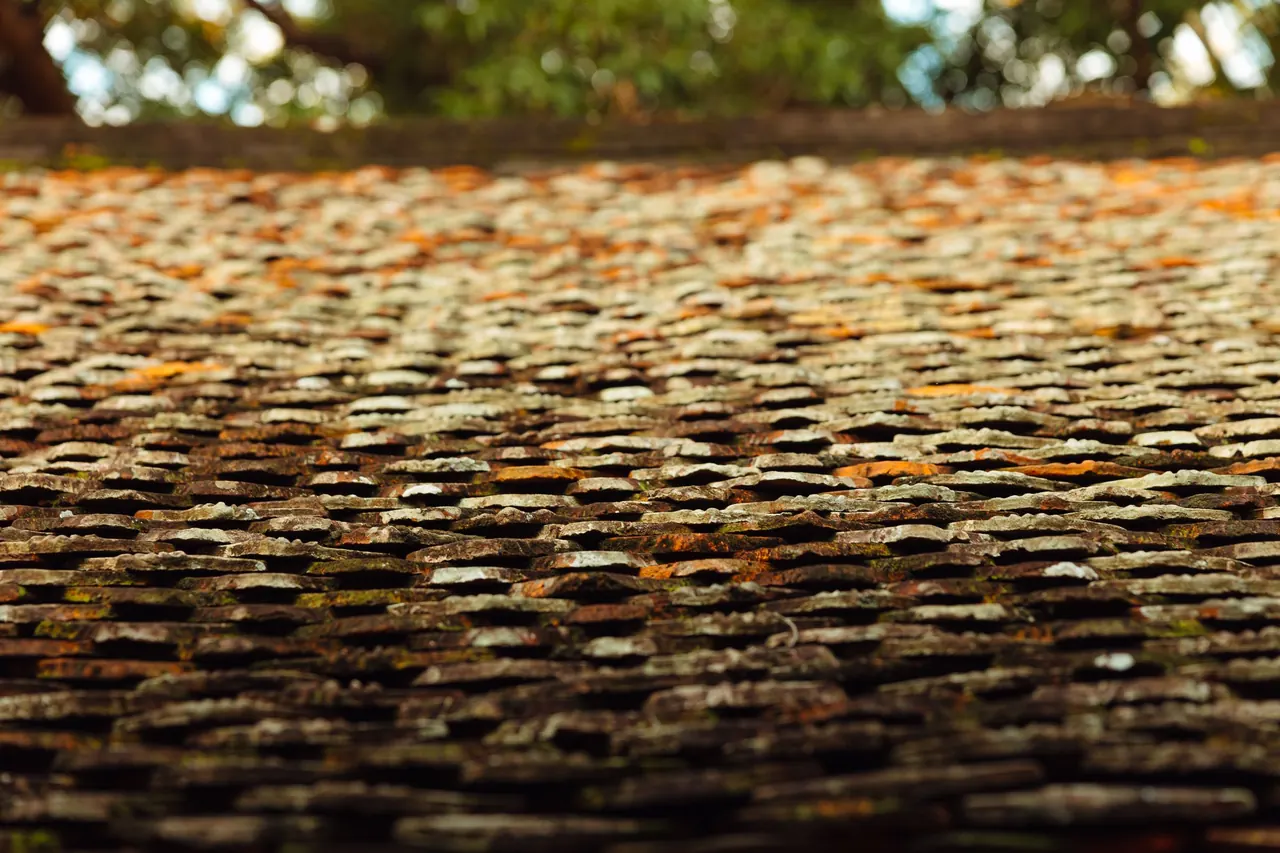
Where that little gable meets the main roof it forms two short valleys, one each side. They are only a metre or two long, but they collect the water from two slopes and carry it to the front gutter, and they are easy to forget because you cannot see into them from the street. Moss grows in the shade of the gable, grit washes down off the tiles, and the lining underneath gets older every year. When the valley clogs, water spreads sideways under the tiles, and the first sign is a stain in the corner of the front bedroom.
The repair depends on what is in the valley. A lead valley that has split or been patched with sealant is relined. A valley formed with cut tiles is opened, the tiles reset and the mortar remade. Either way the valley is cleared first, because a repair under a blanket of moss tells you nothing.
Where the end of the row meets the weather
At the end of each row, the gable wall carries on above the roof as a parapet. The joint between the tiles and that wall relies on a lead flashing or a mortar fillet, and the top of the parapet has a coping. Once either cracks, rain soaks into the brickwork and shows as damp on the bedroom wall, often some way below the fault, because water travels down inside the wall before it appears.
So on an end-of-terrace house the coping and the parapet joint come before anything else. Rebedding a coping, replacing a cracked mortar fillet with stepped lead, or repointing the exposed face of the parapet are each modest jobs on their own. If the trouble turns out to be at the chimney instead, that goes to our Colliers Wood chimney repairs.
Porch canopies on the Gardens roads
The 1930s infill on Colwood Gardens, Valley Gardens, North and South Gardens and Boundary Road has a ground-floor projection that forms a red tile canopy over the front porch. It is a roof in its own right, just a small one, and it meets the front wall in a short abutment above the door. When that joint opens up, the hall ceiling stains, and people often blame the main roof first.
Lifting and relaying the canopy tiles where needed and remaking that abutment is a small, contained repair. On these houses we also look at the main hips and ridge while we are there, since mortar on a roof of that age is often the next thing to go.
Slate on Wandle Bank and the stock-brick houses
Not every roof here is red tile. Merton's study records that the hamlet's old timber cottages were replaced by simple stock-brick houses with slate roofs, and the listed early to mid 19th century cottages on Wandle Bank were built with hipped slate roofs. Slate usually outlasts its nails, so the common fault is a slate sliding out of line as its fixings corrode. Single slates are refixed with clips or tingles, and where a whole area has let go it is stripped and re-laid with new fixings. On a listed cottage the repair should use matching natural slate.
When a roof has more patches than original tiles, repair stops being good value, and re-roofing in Colliers Wood explains the alternative. If a tile has come down overnight, our guide to a missing roof tile covers what you can safely do in the meantime.
Frequently asked questions
Why is there damp at the top of my end-of-terrace bedroom on Norfolk Road?
End houses on these roads usually have a raised parapet gable. If the joint where the tiles meet that wall has cracked, or the coping on top has opened, rain gets into the brickwork. We check the coping and that joint before anything else.
What might a few slipped tiles on a Wilton Road terrace cost to put back?
As a national yardstick, Which?'s survey of roofer costs gives £75 to £400 before VAT for replacing one to six standard tiles. Finding an old red tile to match, or reaching the back slope through the house, can move that either way, and your quote is based on photos of your own roof.
Can you refix slipped slates on a listed Wandle Bank cottage?
Yes. Refixing or replacing a few slates like for like is ordinary repair work. If the job grows into changing the covering or the shape of the roof, speak to Merton about listed building consent before that part goes ahead. Other repairs we carry out are listed on our roof repair service page.





