



 Google reviews

Eaves that are part of the design
In the Surbiton Hill Park conservation area, Nos 7, 9, 11 and 15 Park Road were built in 1886 by the builder Mark Carpenter in the style of the Aesthetic Movement. The council describes their red brick fronts as embellished with decorative terracotta panels, segmental pediments and plaster cornices at the eaves. On houses like these the eaves are not a plain board carrying a gutter. The cornice is a moulded feature, and the gutter, the timber behind it and the roof edge above all have to work together to keep it dry.
When water gets behind a cornice like that, from a leaking gutter or a failed roof edge, the timber or lath that supports the moulding rots out of sight and the plaster starts to crack and drop. Covering it with a uPVC fascia would hide the damage and remove one of the features the conservation area exists to protect. The right repair is to cut out the rotten timber, replace it like for like, make good the moulding, and fix the cause of the wet above it.
Painted timber in Southborough
The council's 2009 appraisal of Southborough lists accentuated gables, painted woodwork and timber framing to the porches among the common features of the houses there, and records the loss of timber porches as one of the most harmful changes. Along Woodlands Road, Langley Avenue and Corkran Road, that means painted bargeboards on the gables and painted eaves timber, and the appraisal found the houses' architectural integrity largely intact.
Timber like this fails from the back. A gutter that drips behind the board, or a gap at the top of a bargeboard where it meets the tiles, keeps the wood damp, and the paint on the front can look sound long after the board behind it has gone soft. Signs that are specific to these houses:
- The foot of a bargeboard, where it meets the gutter end and catches every drip, softening first.
- Paint cracking along the grain on a gable board, a sign the timber is moving with damp.
- Rafter ends, where a house has open eaves, that have darkened or split where the gutter brackets are screwed in.
- Gaps where soffit boards meet the wall, which on a three-storey house let in birds as well as weather.
Where a section has rotted, we replace that section in matching timber and profile and keep the rest. If a whole bargeboard has gone, we copy its shape so the gable looks as it did.
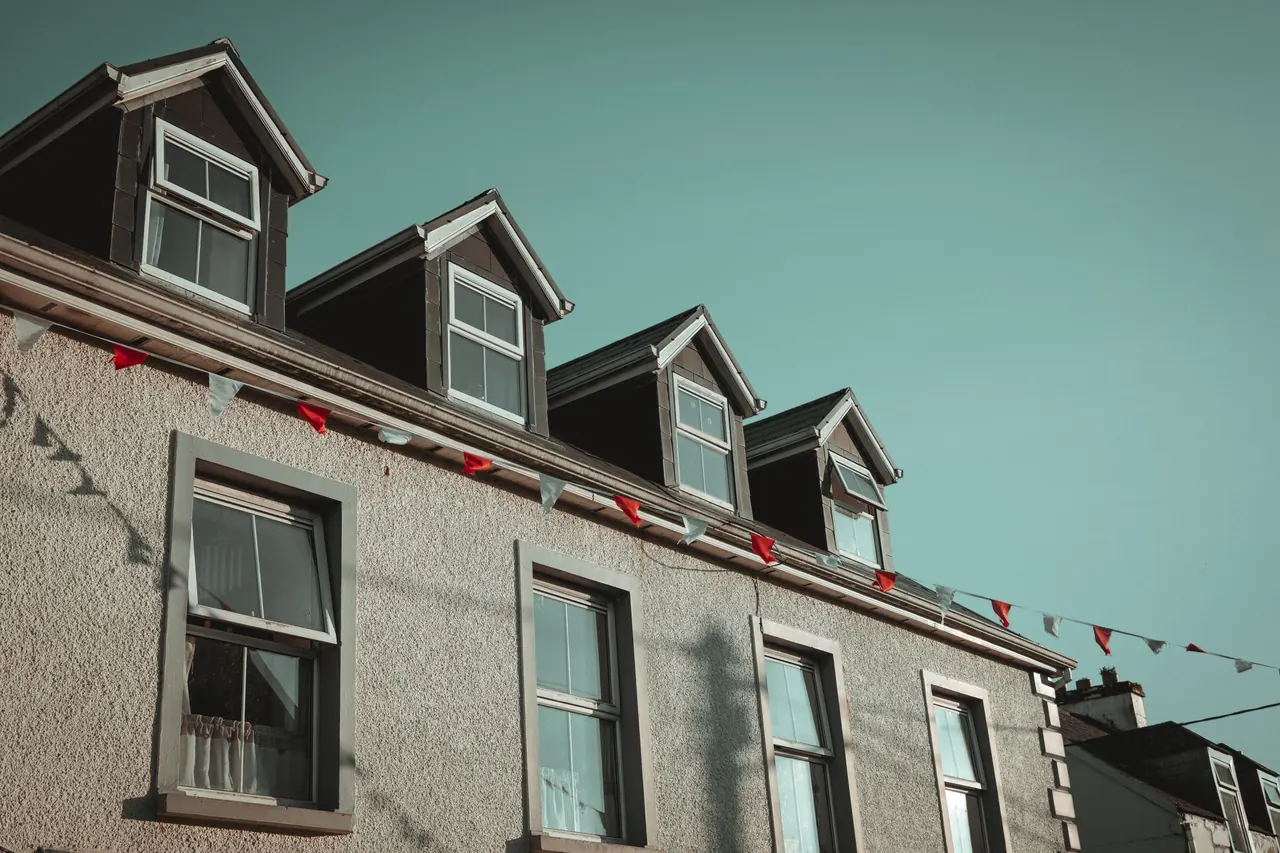
The 1930s streets: a simpler job
The interwar houses of Berrylands, and the Tudor-detailed semis on The Mall and Westfield Road that Kingston's Maple study describes with their regular gable rhythms, have plainer eaves. Here full replacement in uPVC is common and practical, with ventilated soffits to keep air moving in the roof space. Capping, a thin uPVC board fixed over the existing timber, costs less but only works when the timber underneath is sound; over rot, it just hides the problem.
MyJobQuote's capping guide gives an average of around £800 for capping fascias and soffits on a three-bed semi, before any timber repairs.
Because the fascia carries the gutter, it makes sense to do both together. Our pages on new gutters in Surbiton and seamless gutters for the interwar streets cover the gutter side, and the main fascias and soffits page explains replacement and capping in more depth.
Frequently asked questions
The plaster cornice at the eaves of our Park Road house is cracking. Is that a roofing job?
Partly. The crack is usually a symptom of water getting in from above, through the gutter or the roof edge. We find and fix that, and repair the timber behind the cornice; specialist plasterwork to restore the moulding itself may need a plasterer, and we will tell you if it does.
Can you replace just the rotten foot of the bargeboard on our Southborough gable?
Often, yes. If the rot is limited to the lower end, that length can be cut out and replaced in matching timber and profile, then painted. If the whole board has gone, we copy the original shape.
Will uPVC fascias look out of place on our semi on The Mall?
Not usually. These 1930s houses have simple eaves, and a well-chosen colour and profile keeps them in keeping, especially if the attached semi is done to match.





