



 Google reviews

The eaves under the Fircroft Road mansards
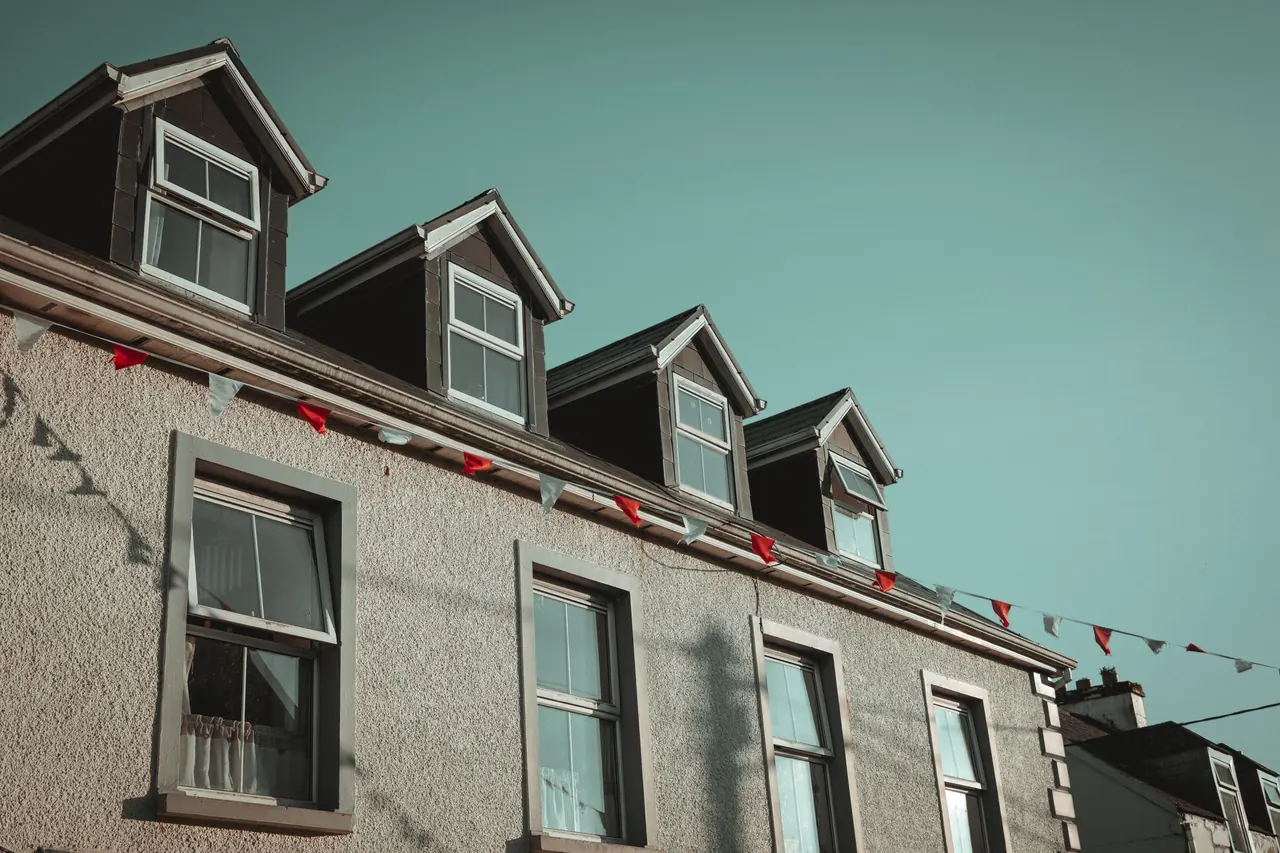
On the Crofts' Estate, the 1930s semis on Fircroft Road and Hook Rise mostly have mansard fronts: a steep lower slope rising from the front eaves. Water comes off a steep slope fast and in volume, and the fascia at its foot carries the gutter that catches all of it. If that gutter drips or overflows, the board behind stays wet and rots from the back, where you cannot see it from the street. The first sign is often a gutter that has started to lean outward, or paint blistering along the board.
When the boards are renewed here, it is worth fitting new gutters at the same time and checking the gutter is big enough for the slope, so the new fascia is not soaked the same way. Our gutter installation in Chessington can be priced alongside, and tiles at the mansard eaves are looked after through our Chessington roof repair service.
Tudor Close and the Cheshire Gardens gables
Tudor Close is a small group of well-detailed 1930s houses built in a Tudor style, and the bungalows and semis at the southern end of Cheshire Gardens carry similar Tudor detailing, as the council's borough character study records. Moor Lane has 1930s semis with tile hanging and Tudor touches on the gables too. On houses like these the bargeboards are part of the gable's look, so it matters when the timber goes. Swapping a detailed board for a plain flat one can make a Tudor-style gable look stripped. Where the original is sound, we leave it and renew only what has failed. Where it has rotted, we talk through replacements that keep the width and line of the original as closely as possible before any work starts.
Further up Cheshire Gardens, the 1930s short terraces have a strong rhythm of tile-hung bays, some with gabled tops and some under a hipped roof. Each bay has its own short run of fascia and soffit, low down and easy to forget. Those small boards take the drips from the main gutter above, and they often rot before the main fascia does.
Parbury Rise gable ends
Parbury Rise has 1940s short terraces in pebbledash with gable ends at the end of each row. Each end house carries a pair of bargeboards up its gable, and these are fully exposed to the weather on the open side. Bargeboards fail at the foot, where they meet the fascia and water collects, and at the joints along their length. A soft patch at the bottom corner is usually the first thing to check.
Capping or replacing on a Crofts' Estate semi
A short damaged length can sometimes be replaced on its own. Where boards are rotten along most of their run, full replacement makes more sense. Capping, which covers sound timber with a thin uPVC board, is cheaper but only works when the timber underneath is completely sound. Replacement uPVC comes in white, black, grey and woodgrain finishes, and ventilated soffits help air move through the roof space. Our main fascias and soffits page goes into more detail.
For a market reference, Checkatrade's fascia and soffit cost guide gives around £90 to £170 per linear metre for replacement. If your house is just north of here, our page on fascias and soffits in Hook covers its gabled 1930s streets.
Frequently asked questions
Why does the fascia under my Fircroft Road mansard keep rotting?
Usually because the gutter on it is overflowing or dripping at a joint, keeping the back of the board wet. Replacing the board without fixing the gutter means the new one will suffer the same way, so we look at both.
Can the bargeboards on my Tudor Close house be copied in uPVC?
The width and line can be matched closely, but uPVC does not reproduce carved or shaped edges well. If the shaping is a big part of the look, keeping the sound parts of the original and renewing only the fascias and soffits may suit the house better. We will show you the options before you decide.
The tile-hung bays on Cheshire Gardens have their own small soffits. Are they included?
Yes, if you want them done. We price the bay boards separately so you can see the cost, and it usually makes sense to do them with the main fascia while the access is set up.





