



 Google reviews

Compton Crescent: big pantiled slopes, small outlets
Compton Crescent was laid out as a set piece: a curved street lined with short terraces in an Arts and Crafts style. They have clay pantiles, a mix of gabled and flat-fronted terraces, and a pebbledash finish, some of it painted. Similar terraces carry on along parts of Church Lane.
A pantiled roof sheds water in a particular way. The deep troughs of the tiles gather rain into channels, so a big slope delivers it to the gutter in concentrated streams rather than an even sheet. On a long terrace slope, that is a heavy flow arriving at once. If the outlet is small, or the downpipe is spaced far from the corner where the flow is heaviest, the gutter can overflow in a downpour even when it is perfectly clean. That is a sizing fault, not a cleaning one, and clearing the gutter again will not cure it.
On these houses the overflow lands on pebbledash. A wall that is soaked again and again grows green streaks, and on painted pebbledash the paint starts to lift and the render can crack, letting water into the brick behind. Fixing the gutter first, then letting the wall dry, gives a renderer or decorator a sound surface to work on.
Flat-topped bays on Ashby Avenue
Ashby Avenue has short terraces in pebbledash or render with square paired bays, some gabled and some flat-topped, and tiled porches. A flat-topped bay is effectively a small flat roof with a tiny gutter or outlet, and it sits directly below the main gutter. If the main gutter overflows, the bay takes the water. If the bay outlet is choked or the bay roof has lost its fall, water stands on it and finds its way into the top of the window frame.
We check both levels together: the main gutter and its outlet above, and the bay roof and its drainage below. Clearing one without the other usually moves the problem down a level.
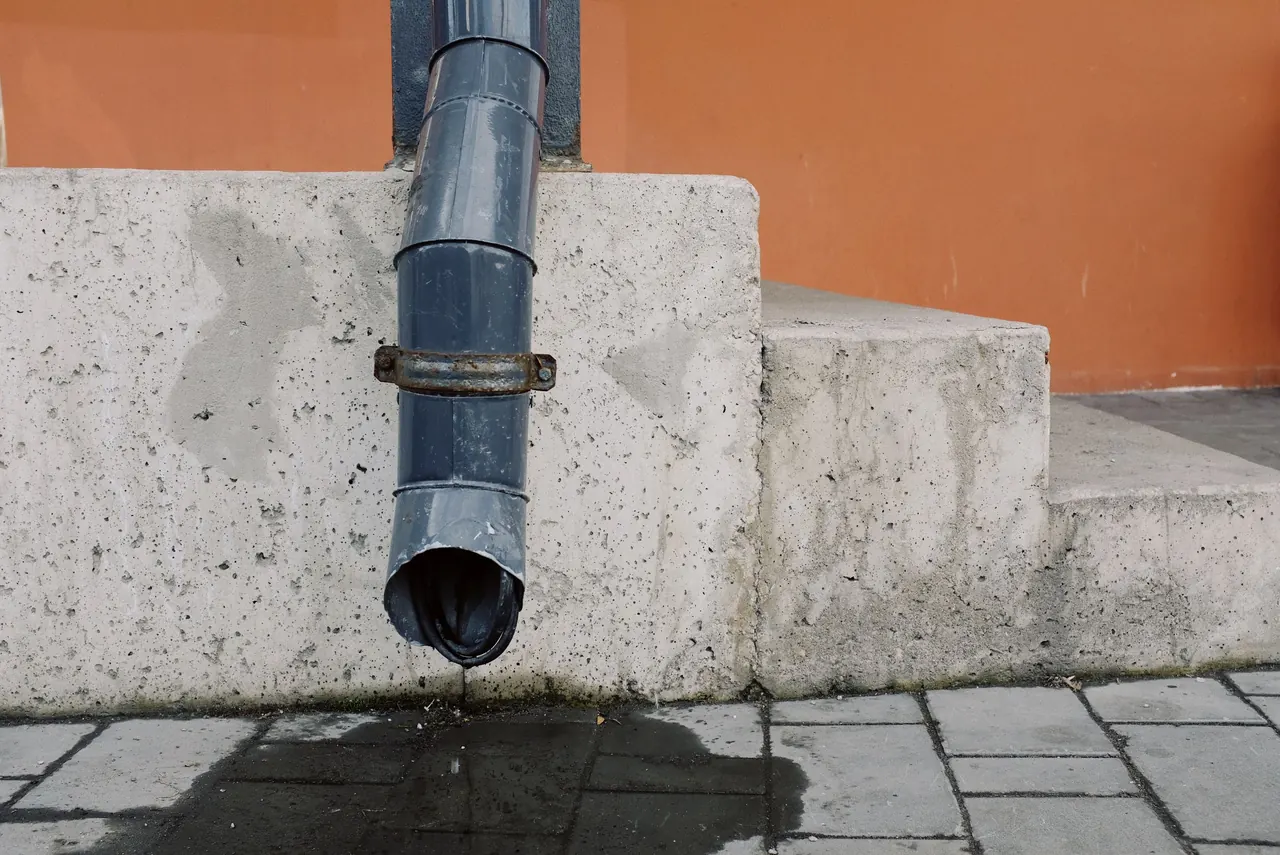
Four places a Compton Crescent overflow can start
When a gutter on these terraces keeps overflowing, the fault is in one of four places, checked from the top down.
- The gutter itself: debris, moss or a nest sitting at the outlet.
- The fall: a bracket that has dropped or a fascia that has moved, leaving a dip where water and silt collect.
- The outlet and downpipe: an outlet too small for the slope above, or a blockage at a bend or offset in the pipe, which we rod or flush.
- The gully at the bottom: if water backs up out of the shoe, the blockage may be in the gully or the drain beyond, which may need a drainage specialist.
Then we fix the cause: resetting the fall, replacing a cracked section, or adding or enlarging an outlet where the slope needs it. Our main blocked gutter repair page explains the process. As a market guide, the Which? roofer cost survey lists clearing all the gutters front and back at £75 to £350 excluding VAT, with repairs on top. If leaf fall is the main issue rather than a fault, our Chessington gutter cleaning visits deal with that, and if the fascia behind a long-blocked gutter has rotted, our fascia replacement in Chessington puts it right.
Frequently asked questions
Water pours off the corner of our Compton Crescent terrace in heavy rain, but the gutter is clean. Could the outlet be too small?
Quite possibly. A large pantiled slope can deliver more water than a small outlet can take in a cloudburst, especially if the downpipe is at the far end of the run. Adding a second outlet nearer the corner, or fitting a larger one, is often the cure.
The flat top of our Ashby Avenue bay holds water after rain. Is that linked?
Often. Either the main gutter is overflowing onto it, or the bay's own outlet is blocked or the deck has lost its fall. We check the gutter above first, then clear and test the bay drainage.
Will fixing the gutter clear the green patch on our painted pebbledash?
It stops it getting worse. Once the wall has dried out, much of the green can be cleaned off. If the paint has lifted or the render has cracked, that part needs a renderer or decorator once the water source has been dealt with.





