



 Google reviews

Three storeys and a narrow side gap on Canning Road
Stand on the pavement outside a three storey semi on Canning Road and you see a strip of front slope above the bay windows, and not much else. The rear slope, the valley where the main roof meets the back addition, the back face of the stack and the rear gutter are all out of sight. On many of these houses nobody has looked at them closely since a scaffold last went up.
That comes from how the western part of the East India Estate was built. The council's appraisal of the estate places the three and four storey buildings mainly along Addiscombe Road and on Canning, Clyde and Elgin Roads, names three storeys over a lower ground floor, with a hipped or gable ended roof, as the commonest semi-detached type, and gives the four pairs at 23 to 28 Canning Road as its example. It puts the gaps between buildings at 1.5 to 3.5 metres. On a house that tall, with a neighbour that close, a ladder at the side reaches nothing useful.
Clyde Road adds a terrace of three storey houses with basements at 68 to 96, and the locally listed houses at 12 to 22 Elgin Road are large semis of the same family. Each of them hides most of its roof from the road.
Reading the roof on an East India Estate semi
A drone gets above all of that without touching the house. We fly each slope, then the ridges and hips, the valleys and the top of each stack, and take close photos rather than a single wide shot. Where we can get into the loft, we check the underside as well, because the loft often shows a fault before the outside does. On these houses we look hardest at:
- The nails, not the slates. Natural slate from the 1860s is often still sound. The iron nails holding it are another matter, and a line of slipped slates along one course points to fixings giving up across the slope.
- Hips on the hipped pairs. Mortar-bedded hip tiles on a three storey roof take the full weather. Gaps under them let rain into the top bedroom.
- The rear valley. Where the back addition's roof runs into the main slope, the lead or mortar valley collects leaves from the garden trees and is the first place many of these roofs leak.
- The central stack. The Canning Road type has a central stack with clay pots. We check the flaunching, the pots and the flashing on all four faces.
- Signs of a past re-cover. Concrete tile where slate used to be, or patches of a different slate, tell us the roof has history worth asking about.
Inside the loft we look for damp staining on rafters and boards, daylight at the eaves or around the stack, wet insulation, and how much air moves through the space.
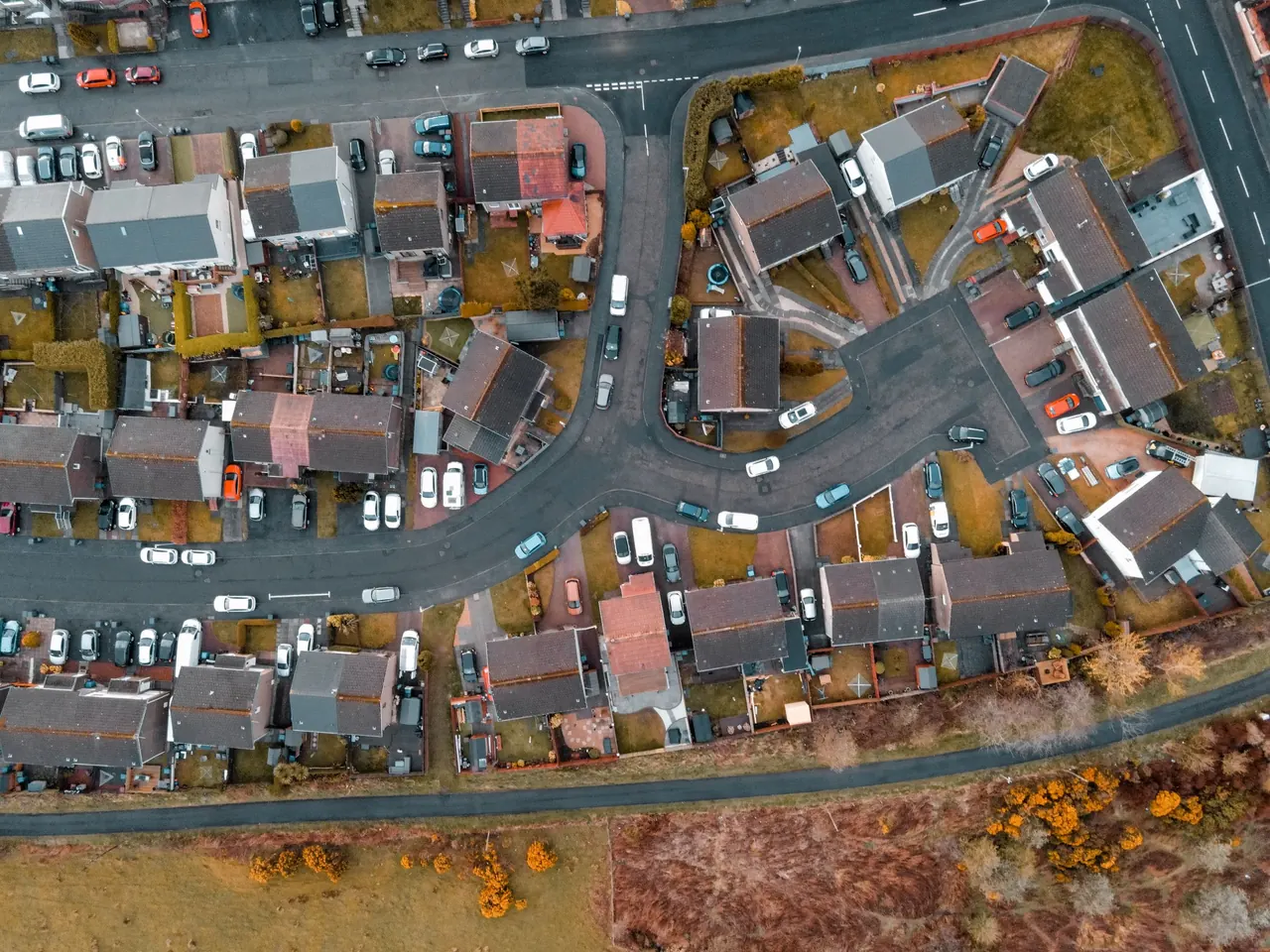
Elgin Road purchases and Inglis Road gables
A building survey on a tall Victorian house often notes that the roof could only be viewed from ground level. That is fair, but it leaves the most expensive part of the house unchecked. An inspection before exchange tells you whether you are buying a roof that needs a few slates refixed or one where the fixings have gone right across. It also tells you what the covering is, which matters inside the conservation area, where the council favours natural slate and hand-made clay.
The same applies north of Lower Addiscombe Road. The Victorian houses on Inglis Road and Nicholson Road have gables, some of them Dutch, where the coping and the flashing behind it are easy to miss from the street.
If the inspection finds something, you see it in the photos. If it needs work, the next step is usually a roof repair in Addiscombe, or for a stack, our Addiscombe chimney repairs page. Our main roof inspection page sets out what a visit covers.
Frequently asked questions
Can a drone see the valley behind the back addition on a Clyde Road semi?
Yes. That valley is usually the hardest part of the roof to see from anywhere on the ground, and from the air it is one of the easiest. We photograph it from both ends so you can see the lining and anything sitting in it.
My survey on a Canning Road purchase says the roof was "not fully inspected". What should I do?
Ask the seller if you can have the roof looked at before exchange. A drone flight from the front garden covers every slope, and a look in the loft shows whether any damp has already got in.
Can you tell whether my roof is still the original slate?
Usually. Old natural slate has a look that is hard to mistake, and replacement slate or concrete tile shows clearly in close photos. We can also say whether part of the roof has been patched in a different material.
What happens if it is too windy to fly on the day?
We rearrange. The open gardens behind the estate and the height of the houses mean wind matters, and we would rather come back than fly in poor conditions.





