



 Google reviews

What sits behind Church Street's parapets
The council's Church Street conservation area appraisal notes that the curve of the street lets you see a skyline of roof pitches, parapets and chimneys from the pavement. What you cannot see is what lies behind those parapets. Numbers 61-65, which date from 1740, have steep roofs and hipped dormers set behind a parapet, and at 21-25 the pitched roofs are tucked behind one too.
A parapet hides more than the slope. Behind it there is usually a lined gutter running the width of the building, emptying through one or two outlets into a hopper or an internal pipe. If that lining has split or an outlet has silted up, the first anyone below knows of it is a stain on a top-floor ceiling. The same is true along North End and the High Street, where shop buildings of two to four storeys carry roofs that have not been seen from close up in years.
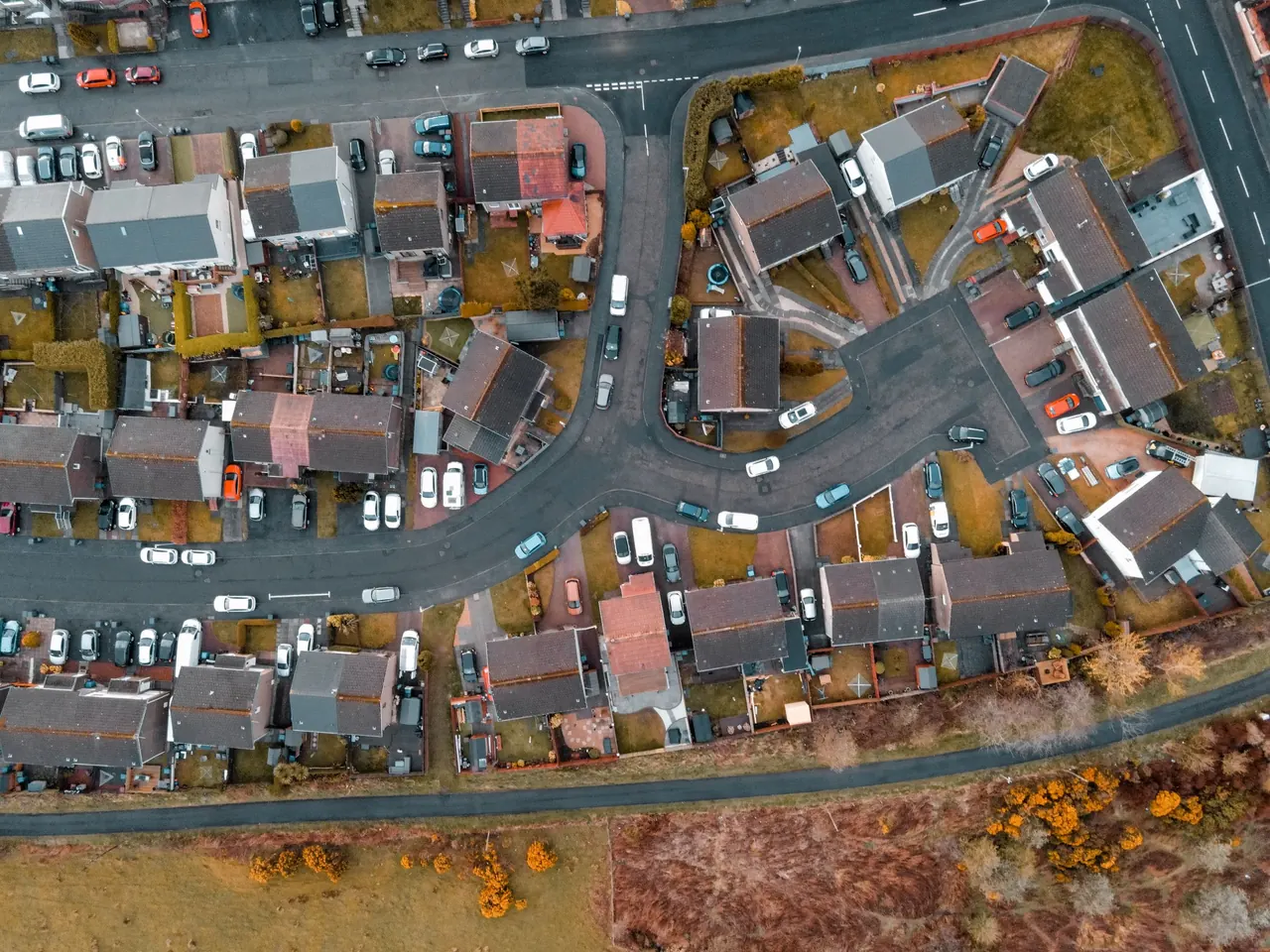
Our drone gets over the parapet without scaffolding or a hoist. It photographs the slopes, the valley or box gutter, the outlets, the chimney tops and any flat-roofed rear additions, and we go through the pictures with you afterwards. Where we can get into the roof space, we check that too, because damp timbers and daylight show up better from inside.
Old Town terraces: the back slopes and the valleys
The 1880s terraces of Old Palace Road and Howley Road stand on the old palace grounds, and Church Road keeps an earlier mid-19th century terrace at numbers 12 to 24. From the street they look tidy. The faults on houses like these usually sit on the rear slope, in the valley where a back addition meets the main roof, and around the stacks on the party walls. Those are the places we look hardest at on an inspection here.
On slate, we are looking for slates that have slipped out of line because their nails have rusted through, cracked or delaminating slates, and lead that has lifted at the stack. In the loft, staining on the rafters below a valley or at the foot of a chimney points to where the water is getting in. Some neighbouring roofs in the Old Town were re-covered in concrete tiles years ago, and where that has happened we check whether the rafters show any sag under the heavier covering.
When a report earns its keep
An inspection is most useful when you are about to spend money, or about to commit to a building. Common reasons include buying a flat above a shop, where the roof may be shared and the lease decides who pays for it; buying an Old Town terrace that the surveyor could only see from the road; or planning a loft conversion on a 1930s Shirley semi, where you want to know the state of the tiles before you build into the roof. If you have a ceiling stain but nothing looks wrong from outside, an inspection usually finds the cause faster than guesswork.
The report pairs each photo with a note on that part of the roof: fine for now, one to keep an eye on, or a job to book. If something does need fixing, our Croydon roof repairs team can take it on, and flat roofs found behind a parapet are covered on our Croydon flat roofing page. Our main roof inspection page explains what a visit includes in more detail.
Frequently asked questions
Can you see behind the parapet on a Church Street building without going through the shop?
Usually, yes. The drone goes up from the street or a rear yard, so we rarely need to go through the shop or the flat. We do ask the occupiers to know we are coming, and we plan the flight around the street and the trams.
I am buying on Old Palace Road. What does a roof report add to my survey?
A standard survey often says the roof was seen from ground level only. Our report shows the rear slope, the valleys and the tops of the stacks in close-up photos, so you and your surveyor can see whether the slates, lead and pointing are sound before you exchange. Our article on signs a roof needs repair lists what to look for in the photos.
My Laud Street cottage shares one long roof line with the houses either side. Can you inspect just mine?
Yes. The drone photographs your slopes, your stack and your share of the gutter, and we note anything at the party walls that looks like it is coming from next door. On a terrace of cottages from about 1860, a fault at the boundary is often shared, so the photos are useful to show your neighbour too.





