



 Google reviews

Overhanging eaves on Stuart Crescent
Stuart Crescent was built by Gower Houses in the early 1930s around a wooded copse, as part of the Spring Park estate in Shirley. The council's Local Heritage Area review lists the details that make it worth protecting: clay-tiled catslide roofs, tile-hung double bays, central chimney stacks and overhanging eaves with decorative supports.
Overhanging eaves mean a wider soffit and a long fascia, and where the boards are original they have been out in the weather for about ninety years. Water gets in where the paint has gone, usually behind the gutter or at the ends of the boards, and rot spreads from there. The signs are a gutter that has started to sag, paint lifting in strips, a soffit board bowing down, or a gap at the wall where wasps or birds have found a way in. Under the trees round the copse, the boards stay damp for longer, which makes it worse.
On a house like this we keep the decorative supports wherever they are sound and replace the boards around them, rather than boxing the whole eave in plain plastic. Stuart Crescent is a Local Heritage Area, and the eaves are one of the details the council's review names, so keeping them looking as they were designed is worth the extra care.
Bargeboards on the Old Town gables
In the Laud Street area, the review notes a few gables with decorative timber bargeboards on cottages that mostly date from about 1860. A short walk away on Church Road, the Grade II listed Gothic Villas have ornate bargeboards on steep gables. A carved bargeboard is part of what makes these houses what they are, and replacing it with a flat uPVC board would strip that away. On a listed building it would also need consent.
If your house has decorative bargeboards, tell us when you call. We will look at what is sound and what is beyond saving before we give you options, and on a listed building we suggest you speak to the council before anything changes.
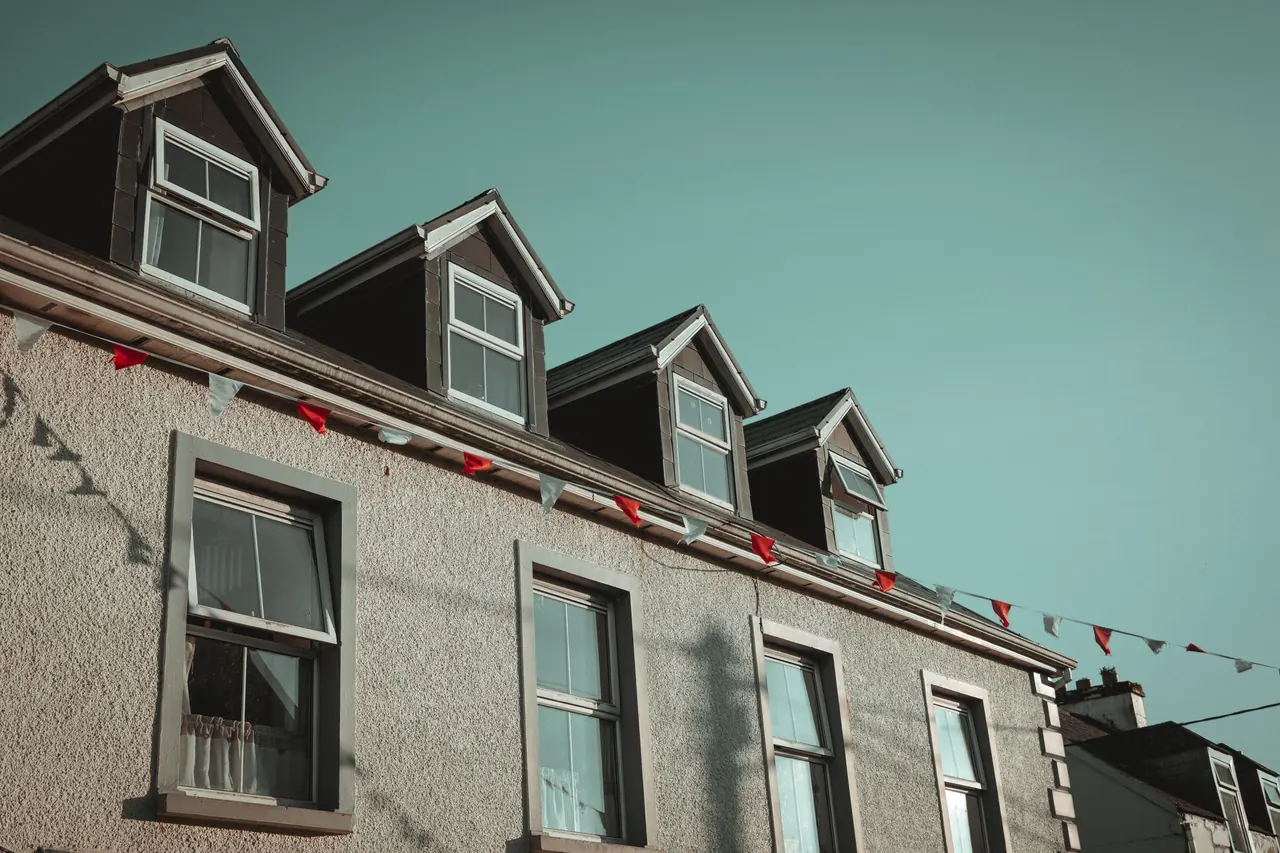
Capping, replacing, and what each costs
There are two ways to deal with tired roofline boards. Capping covers the existing timber with a thin uPVC board. MyJobQuote's capping guide gives about £800 as a published average for capping a three-bedroom semi, with the job taking around a day. Full replacement costs more, because the old boards come off and the rafter ends behind them are checked and repaired first.
Capping only works when the timber underneath is completely sound. Over rot it hides the problem rather than fixing it. On Stuart Crescent there is a second reason to be careful: a capping board laid over the eaves can bury the decorative supports that the heritage review picks out, so replacing the boards around the supports is usually the better job there. Waddon's interwar council-built houses have plainer eaves with nothing to hide, and on those either route can work, depending on the state of the timber.
Whichever route you take, the gutters come down first and go back up afterwards, with ventilated soffits where the roof space needs air. Since the access is already in place, it is the right time to fit new gutters in Croydon if yours are tired, or to look at a full re-roof if the tiles above are going too. The main fascias and soffits page has more detail, and you can contact us to arrange a visit.
Frequently asked questions
Do the decorative eaves supports on my Stuart Crescent semi have to go when the fascia is replaced?
No. Where they are sound, we work around them and replace only the boards. If one has rotted badly, we will show you and talk through the options before anything is removed.
The bargeboard on our Laud Street gable is carved. Will it be replaced with plain uPVC?
Not unless you want it to be. We look at whether the timber can be kept, and if it cannot, we talk through the options with you. If the house is listed, the council needs to agree any change.
Our Waddon house still has its original timber fascias. Can they be capped instead of replaced?
Only if the timber is sound all the way along. We check the boards along their length and look at the rafter ends where we can. If they are firm, capping is a fair, cheaper option. If any length is soft, that part needs replacing first, or the rot carries on behind the new board.





