



 Google reviews

What a century does to a Norbury Estate roof
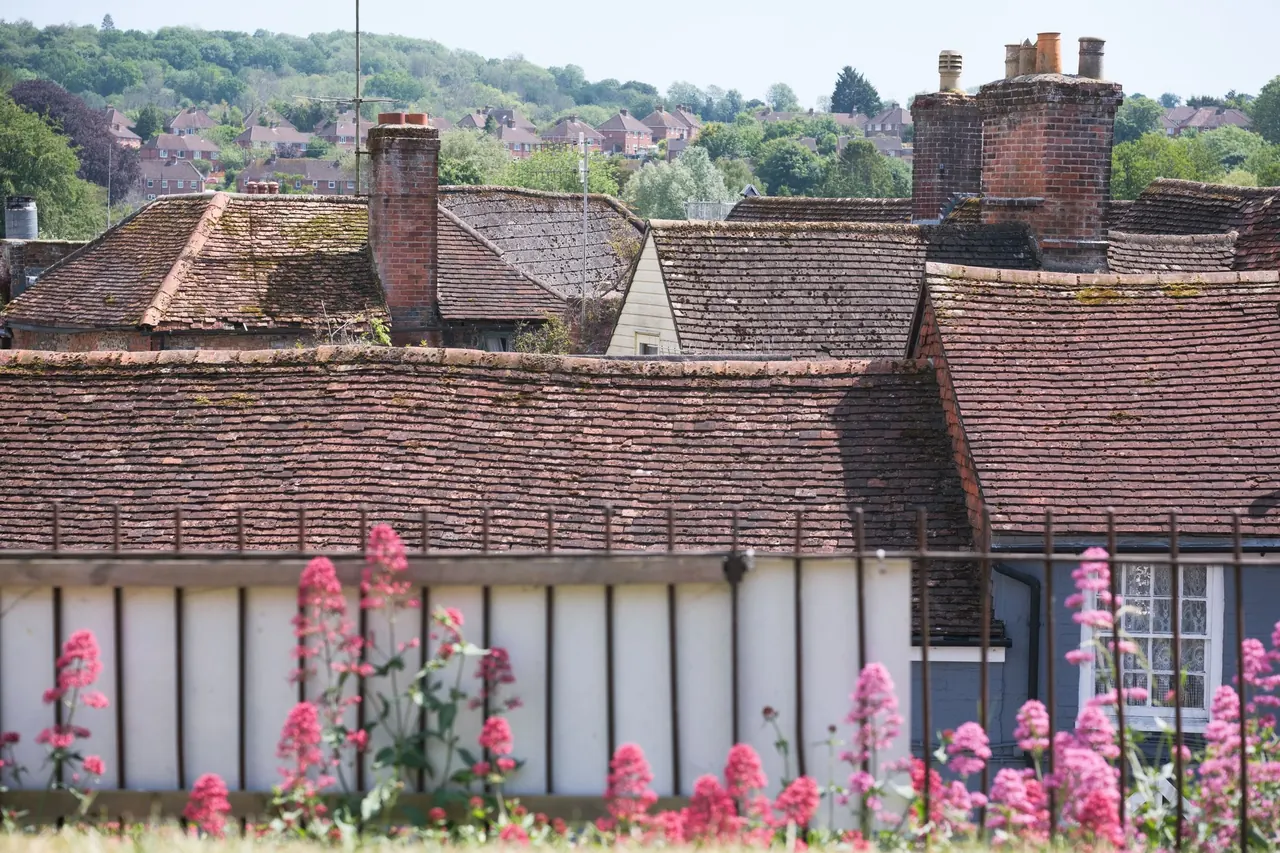
The LCC built the eastern half of the Norbury Estate before the First World War and the western half in 1919 to 1921. The slates and handmade clay tiles on those roofs can last far longer than that. The parts that hold them up usually do not. Iron nails rust through and slates start to slide one at a time. Ridge mortar washes out of the terracotta ridge and hip tiles. Lead at the abutments, where a street-facing gable runs into the main slope, splits or has been replaced at some point with a cement fillet that has since cracked.
A repair here has to fit the conservation rules as well as stop the leak. Croydon's management plan wants natural slate or plain clay on these roofs, never concrete, and the original material kept on the street side. In practice that means:
- slipped slates are refixed, or replaced with natural slate of the same size and colour
- cracked clay tiles are swapped for reclaimed or handmade tiles that match, not machine-made ones that look too new
- terracotta ridges are lifted, cleaned and rebedded, and only replaced where they are broken
- cement fillets at abutments are cut out and replaced with lead flashings
Where slates are slipping all over a slope, the nails are failing everywhere and patching will not keep up. That is the point to talk about a re-roof on the estate instead.
Raised walkways between Isham Road and Granden Road
On the terraces between Isham Road and Granden Road, the LCC raised the houses on walkways reached by steps, so that the ridge of each row stays level as the ground falls. The result is that the eaves are higher above the pavement than they look, and a ladder cannot always stand where it would on a flat street. Elsewhere on the estate there are brick retaining walls up to 1.5 metres high beside the footway.
For a roof repair, that means the access is worked out before the visit, not on the day. Some jobs can be done from roof ladders hooked over the ridge. Others need a small tower or a section of scaffold on the walkway. Please do not try a quick fix from a ladder on these steps; our guide on what to do about a missing roof tile explains why.
Valleys behind the gables on Beatrice Avenue and St Helen's Road
East of London Road, the villas around St Helen's Road date from around 1890 to 1900. To the west, Beatrice Avenue was built from 1902 to 1910 as Arts and Crafts semis and terraces with front gables and hipped ends. A front gable sitting against the main roof makes a valley behind it, and those valleys collect leaves and silt, wear through their lead and leak into the front bedroom.
The damp patch inside is often a metre or more away from the fault, because water runs along the valley board before it drips. We trace it back before we start, so the repair goes where the water gets in. On Beatrice Avenue the decorative clay or slate ridge tiles are part of what the Local Heritage Area protects, so they go back on wherever they can.
Tiled semis between the railway and Green Lane
The interwar semis built on the old North Surrey golf course have tiled roofs, many with hips. The usual faults are tiles that have slipped because their nibs or nails have gone, hip and ridge mortar that has cracked and let water track down, and splits in the lead where the stack on the party wall meets the roof. Many also have a flat roof over a garage or kitchen, and a blister or open seam there shows up as a stain on the ceiling below. Small flat roof patches are part of a repair visit; anything bigger is covered on our Norbury flat roofing page.
On cost, the Which? roofer cost guide gives £75 to £400 excluding VAT for replacing one to six standard tiles. On the estate, expect a repair to come in above that range: matching natural slate or handmade clay costs more than standard tiles, and the raised walkways can add access.
Frequently asked questions
Can a broken slate on my Bavant Road front slope be replaced with one from the back?
Often, yes. Where a matching new slate is hard to find, a sound original can be taken from the rear slope and used on the front, with new natural slate filling the gap at the back. That keeps the street side original, which is what the estate plan asks for.
Is it worth replacing the cement fillet on my Granden Road gable with lead?
Yes, if the fillet has cracked or pulled away. Cement shrinks and cracks as the roof moves, while a lead flashing set into the brickwork moves with it. It is also closer to how the estate was built.
The flat roof over my garage near Green Lane has blistered. Does it need replacing?
Not always. A single blister that has not split can be cut out and patched. If the felt is cracked all over or the deck feels soft, a patch will not last and the roof is better re-covered.





