



 Google reviews

Re-covering a Garden Suburb roof in matching tile
In the Sutton Garden Suburb the choice of covering is largely made for you. The council's management plan says repairs and replacement roofs should be in tiles of a size and colour to match the existing house, and on houses covered by the Article 4(2) Direction, a change of roofing material visible from the road or a footpath needs a planning application.
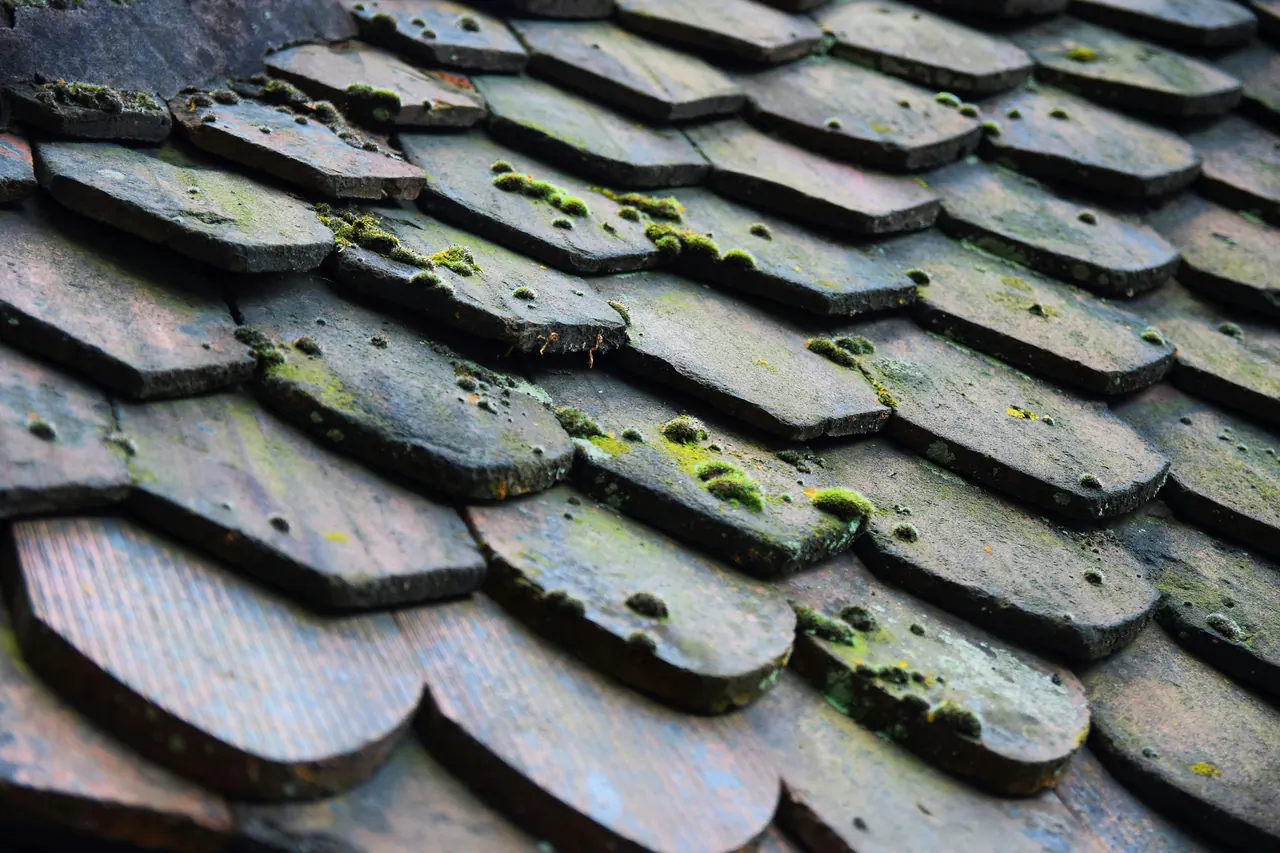
So a re-roof on Oak Close or Woodend means red tiles to match, with the catslides, half-hips, bays and stepped ridges detailed as Pearson drew them. The appraisal says the roof materials there appear to be original, so these are some of the oldest coverings in the town. When the battens and nails holding them fail across a whole slope, a careful strip and re-cover keeps the look and puts new membrane and battens underneath.
Vale Road, Cedar Road and the concrete-tile generation
Elsewhere, a lot of older Sutton houses have already been re-roofed once. Historic England's 2018 Historic Area Assessment lists re-roofing in concrete tile, and less often imported slate, as one of the commonest changes to houses round the town centre. It found concrete tile on most of the late Victorian terraces of Vale Road and concrete tile re-roofs on the Cedar Road villas. On the early 20th-century villas by Manor Park, it says common clay tile was probably the original covering.
Many of those concrete-tile re-roofs are now decades old. The tiles themselves are usually still whole. What gives up is underneath: battens that have softened, felt underlay that has torn and gone brittle, and, where concrete replaced slate, timbers that have carried a heavier load for years. Signs that a second re-roof is due are leaks in more than one place, repairs most winters, slipped tiles across the whole roof, or a ridge that has started to dip.
Outside the conservation areas, you have a real choice. Staying with concrete tile is the cheapest. Clay tile suits some fronts better but is no lighter, while slate is lighter on the rafters. We price the options side by side and tell you how each suits the existing timbers.
The villas off Cheam Road
In the Landseer Road and Grove Avenue conservation areas, like-for-like is the safe course and any change should go to the planning team first. A three-storey villa on Landseer Road or Derby Road is also a much bigger job than a two-storey terrace: more scaffold, longer valleys and more lead round bays and gables. We plan the order of work so as little of the roof as possible is open at any one time.
Stripping a Sutton roof, and the Building Regulations
- Scaffolding goes up and the house and garden are protected.
- The old covering, battens and underlay are stripped and the rafters, purlins and wall plates checked, with anything unsound replaced.
- A breathable membrane goes on, then battens at the gauge the new tile or slate needs.
- The covering is laid from the eaves up, then ridge, hips, valleys and lead flashings are finished, including round the stack.
A full re-roof counts as renovating the roof under Building Regulations, which normally means bringing the insulation up to current standards. The Planning Portal says approval is needed once half the roof, or a quarter of the whole building envelope, is affected, and the work is signed off by the council's building control or through a competent person scheme.
With the scaffold up, it is the right time to renew the roofline too, through our fascias and soffits work in Sutton. MyJobQuote gives about £5,250 as a UK average for a new roof, though a large villa will sit well above that. Our article on how long a new roof lasts puts that cost in context. For houses outside Sutton, the same process is on our roof replacement page.
Frequently asked questions
Can a three-storey Landseer Road villa be re-roofed a slope at a time?
Yes, and on a roof that size it is how we work anyway. Each slope is stripped, felted and battened before the next is opened, so only one slope is open at a time, though the scaffold has to go round the whole roof.
Will taking concrete tiles off my Vale Road terrace help the timbers?
It can, if you re-cover in slate, which is lighter than concrete tile. Clay plain tiles are usually as heavy as concrete or heavier, so the gain there is in looks rather than weight. If the timbers have already bowed under the old roof, we show you on the day of the strip and price any strengthening before it goes on.
Our Cedar Road villa has a concrete-tile re-roof. Does going back to clay need approval?
Possibly. The Planning Portal says a new covering that adds 15 per cent or more to the weight of the roof covering needs Building Regulations approval, as does re-covering more than half the roof. We work out the weights for your roof before you choose, so you know which side of that line each option falls.





