



 Google reviews

Mansard roofs over the High Road shops
Several of the buildings along central Streatham High Road finish in a mansard: a steep lower slope with dormer windows set into it, and a shallow upper slope that is hard to see from the street. A Lambeth statement on the High Road conservation area records a handful of them:
- Nos. 73a to 89, shops with flats above, dated 1909 on a hopper head, with pedimented timber dormers in the mansard, a square castellated turret at the north end and an octagonal one on the corner with Sunnyhill Road.
- Barclays Bank at Nos. 137 to 141, built in 1883 on the corner of Gleneldon Road, with a mansard above its cornice carrying a fine row of dormers.
- The 1913 police station extension at No. 2 Shrubbery Road, with a steep oversailing mansard and a large dentil cornice under the eaves.
- The Manor Arms on Mitcham Lane, built in 1925, with its original graduated grey slate mansard, where the slates get smaller course by course towards the top.
Re-covering a mansard is slower than re-covering a simple pitched roof. The lower slope is steep, close to a wall, and broken up by dormers, so every dormer needs its cheeks, its little roof and its flashings dealt with as the slope goes back on. The upper slope may be slate, lead or felt and needs its own detail where it meets the lower one. On a graduated slate roof, the slates have to be sorted by size before they go back up.
Scaffold, flats and who decides
Most of these buildings have flats above the shops, so a re-roof is rarely one person's decision. The lease usually says whether the roof belongs to the freeholder and how the cost is shared, and it is the freeholder or managing agent who instructs the work. We price the whole roof so everyone sees the same figures, and we can walk owners through the drone photos so the decision is made on the same evidence.
Scaffolding on a High Road frontage goes over a busy pavement. It needs a highway licence, which the scaffolding firm applies for, and a protected walkway for people passing below. That takes time to arrange, so it is worth starting the conversation well before the roof gets worse. Because the scaffold is the biggest fixed cost, it is the right moment to renew gutters, hoppers and the roofline too, through our fascias and soffits work in Streatham.
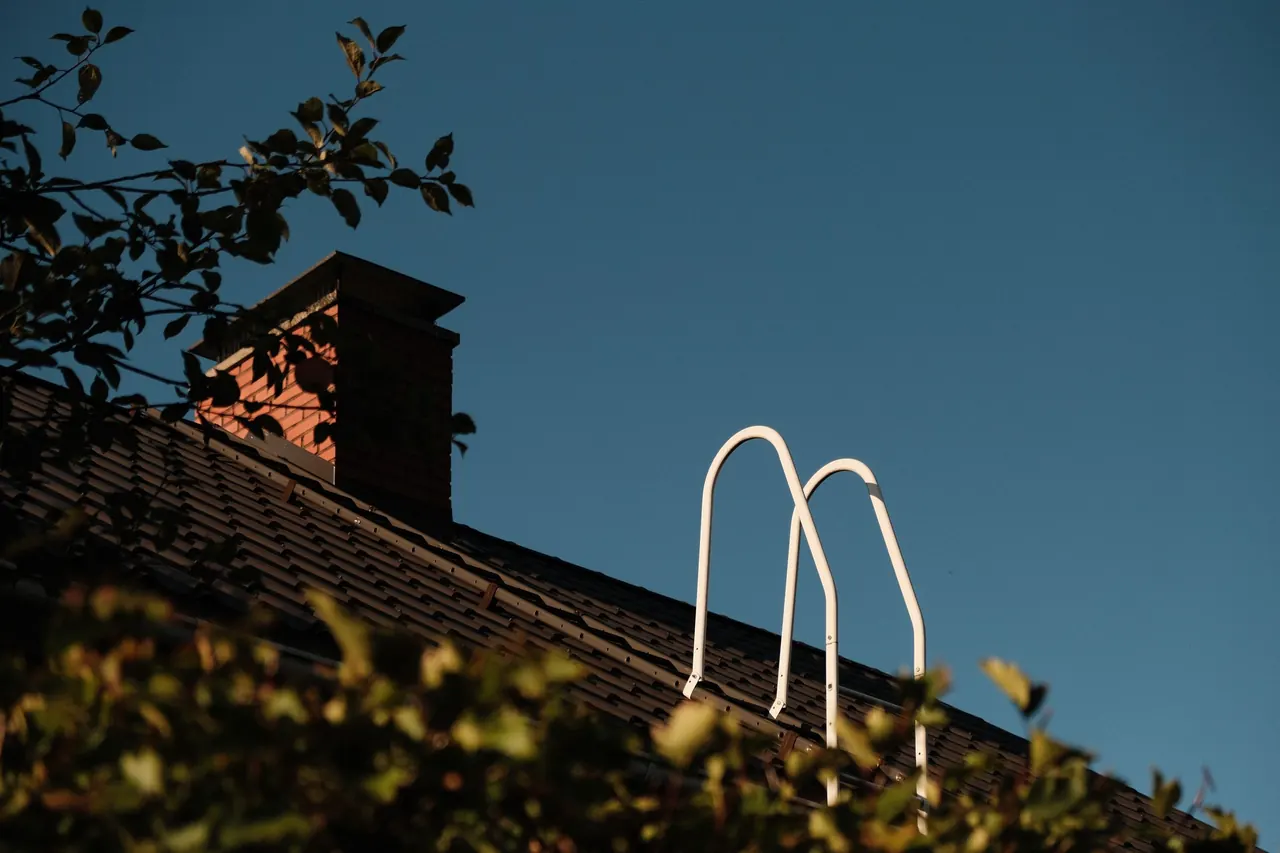
Putting a Sunnyhill Road cottage back into slate
Behind the corner turret at Nos. 73a to 89, Sunnyhill Road climbs east between Victorian cottages. Lambeth's Sunnyhill Road appraisal names natural slate as the traditional covering and says the concrete tiles used on some later re-roofs harm the roofscape. Many pitched roofs in central Streatham are over a hundred years old, and a cottage that was re-covered in concrete decades ago may now be due again.
When it is, going back to natural slate is usually the right call here. The roof timbers were built for slate's weight, not the heavier concrete, so a re-roof is also the time to check rafters and purlins from the loft and put right any that have sagged. The roof is stripped to the rafters, given a breathable membrane and new battens, and slated with new hip tiles and leadwork.
Be ready for the price difference. MyJobQuote's new roof cost guide gives roughly £7,500 to £18,000 or more to re-roof a typical semi-detached house in slate, before scaffolding, and says London labour runs 20 to 30 percent above the national average. Scaffolding is extra on every pitched re-roof, and on a High Road frontage with a licence and a protected walkway it is a significant extra. A small hipped cottage roof sits towards the lower end of that slate range. To compare how long each covering lasts, read our guide to how long a new roof lasts.
The Article 4 rules on the Streatham Lodge Estate are a separate matter, covered on our Streatham Common roof replacement page. Stripping, felting and battening in general are covered on the main roof replacement page.
Frequently asked questions
We own two of the flats in the mansard at Nos. 73a to 89. Who pays for a new roof?
That depends on your leases. In most purpose-built blocks of shops and flats the roof belongs to the freeholder and the cost comes back through the service charge, but check your own lease before anything is agreed.
Can the timber dormers stay while the mansard is re-slated?
Usually, yes. Sound dormers stay where they are and the new slope is worked round them. Their cheeks and flashings are renewed at the same time, and any rotten timber in the pediments is pointed out so it can be repaired while the scaffold is up.
My Sunnyhill Road cottage has concrete tiles from the 1970s. Can it go back to slate?
Yes, and on that street it suits the house and the conservation area better. We check the roof timbers first, since some may have bowed under the concrete.





