



 Google reviews

Ilminster Gardens and the backs of the shops
The council's Clapham Junction appraisal describes one side of Ilminster Gardens as the rear service elevation of the old Arding & Hobbs department store, facing Victorian terraces and a small 1960s block of flats. It also notes there is very little undeveloped land even behind the shops. That is the setting for most commercial flat roofs here: single-storey rear additions over stockrooms and kitchens, packed into the yards behind St John's Road, Lavender Hill and St John's Hill, often below three or four storeys of slate and brick.
Roofs in that position have a particular problem. A rear addition often takes a downpipe from the main roof above, and if that pipe empties straight onto the covering, the felt or membrane wears through at that spot first. A lasting repair includes sorting out where that water lands, either by extending the pipe to a drain or reinforcing the covering under it.
Access is the other issue. There may be no route except through the shop, or a service road behind. We plan it before the job day so the shop can keep trading.
Roof storeys and dormers above St John's Road
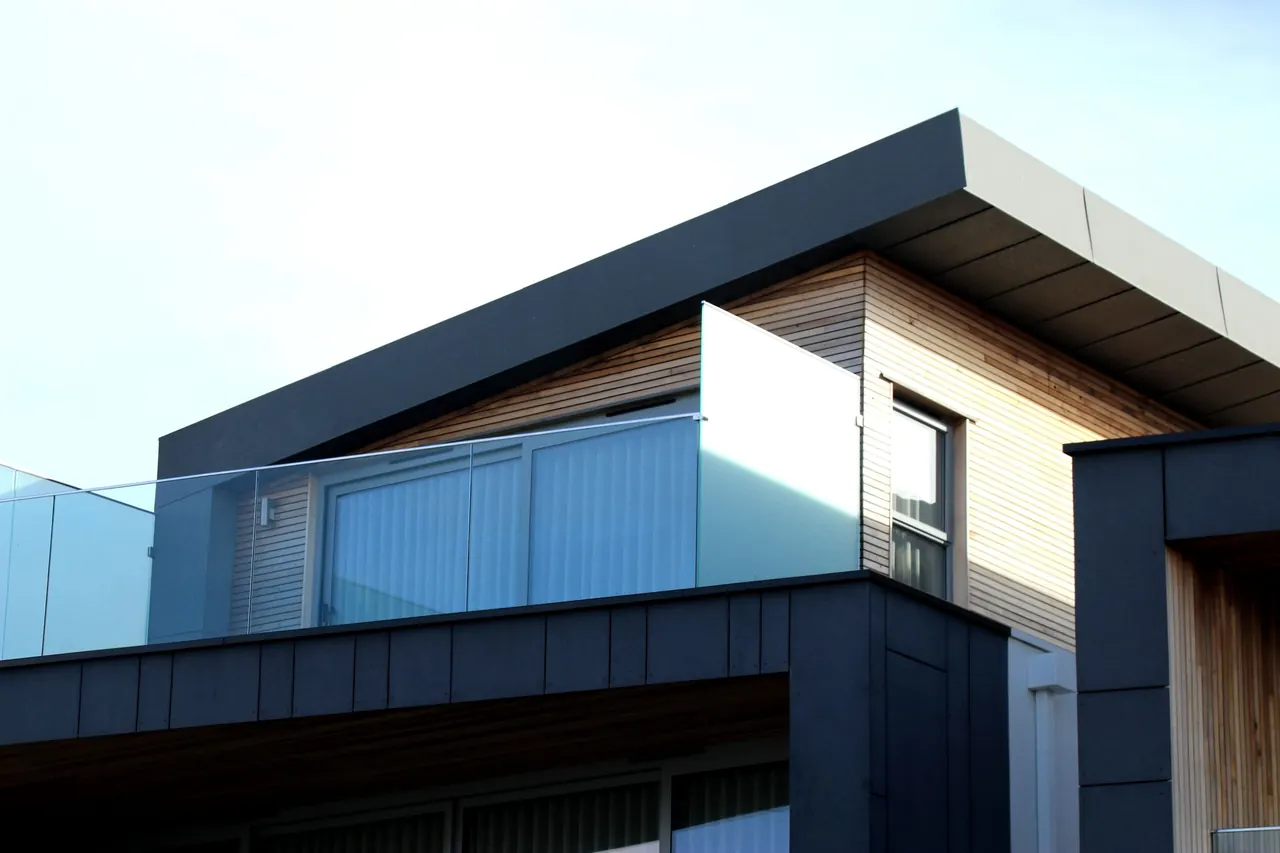
Some St John's Road terraces have an extra roof storey on top of their three floors, and loft conversions across SW11 have added flat-topped rear dormers. These roofs are high, exposed to wind from every side and almost impossible to see from below. They usually fail at the edges: the drip trim along the front, the upstand against a party wall or chimney, or the joint where the dormer cheek meets the slate. Ponding is less common up here than on low back additions, but blocked outlets behind a parapet can fill a small roof quickly.
Before any work, a drone inspection in Clapham Junction lets us see the whole surface and its edges without scaffolding. If the covering is sound apart from one split or a failed upstand, we repair it. If it leaks in several places, blisters across the surface or feels soft underfoot, we strip and re-cover, and show you any rotten deck before pricing it.
Side returns off Northcote Road
On the bay-fronted terraces off Northcote Road, many back additions have been extended into the side return under a flat roof with a rooflight. The rooflight kerb and the edge against the neighbour's wall are the usual leak points, along with a fall so shallow that water sits for days after rain. Our guide on water pooling on a flat roof explains when a puddle matters.
For coverings, GRP fibreglass suits small roofs with lots of edges and corners, such as dormers and side returns. EPDM rubber goes down as a single sheet and suits larger, plainer roofs such as the back of a shop. Torch-on felt is a lower-cost option for outbuildings. MyJobQuote's London flat roof guide puts EPDM materials at £80 to £120 per m² and GRP at £90 to £150 per m², before labour. Guide lifespans are on our main flat roofing page. If your extension serves a flat in the conservation area, re-covering may need permission, as our Clapham Junction page explains.
Frequently asked questions
The downpipe from the roof above empties onto our back extension behind St John's Road. Is that a problem?
Over time, yes. The concentrated flow wears the covering at that one point and can push water under the edge. We can extend the pipe to a drain or gutter, or add a protective layer where it lands, as part of the repair.
Can you reach a flat roof behind the shops on Ilminster Gardens without going through the shop?
Sometimes, from the street side or a neighbouring yard, but often the only route is through the building. Tell us what is at the back when you call and we will work out the least disruptive way in.
The felt on our rear dormer on Abyssinia Road is blistering. Does it need replacing?
Not always. A few blisters on otherwise sound felt can be cut out and patched. Blistering across the whole surface usually means the felt is near the end of its life, and re-covering in GRP gives a seamless finish that suits a small dormer.





