



 Google reviews

Leaves, acorns and mid-run joints
On a Kingswood plot, a gutter does more than carry rain. Oak leaves, acorns, catkins and twigs land in it for much of the year, and they wash along the run until something stops them. In a sectional gutter, each union is a small ridge where debris snags, builds up and holds water against the gasket. That is often where a drip starts.
A seamless gutter is formed on site from coated aluminium coil to the exact length of each straight run, so there are no unions between the corners and outlets. Debris is more likely to wash through to the outlet, which means blockages tend to form there, where they are easy to reach, rather than halfway along. The gutter still fills under trees and still needs clearing, but there are fewer places for a leak to begin.
That makes the outlet the thing to get right. On a long elevation under oaks, a larger outlet, or an extra one, gives the debris somewhere to go. Keep the outlets clear and a seamless run will last for decades, and our gutter cleaning in Kingswood covers aluminium systems in the same way as any other.
Later houses and long rear extensions
The benefit grows with the length of each straight run. Alongside the Edwardian and 1920s houses, Kingswood has later houses and large single-storey rear extensions, and these often have long, plain eaves with sound modern fascias. On a run of that kind a sectional system has several unions along the way, and a formed length has none. That is where seamless guttering makes most sense here.
Before anything is ordered, each elevation is measured, because every run is made to its exact length. The fascia has to be sound and straight to take the brackets, so if the boards are soft they come first, through our Kingswood fascias and soffits work. Coated aluminium comes in a range of colours, so it can match new windows and boards. Brackets are spaced to carry the weight of wet leaves, not just rain.
As a national guide, MyJobQuote's gutter replacement guide (October 2026) puts aluminium guttering in general at £55 to £78 per metre supplied and fitted, so the length of your eaves is the biggest factor in the price.
Gabled Edwardian roofs: the honest answer
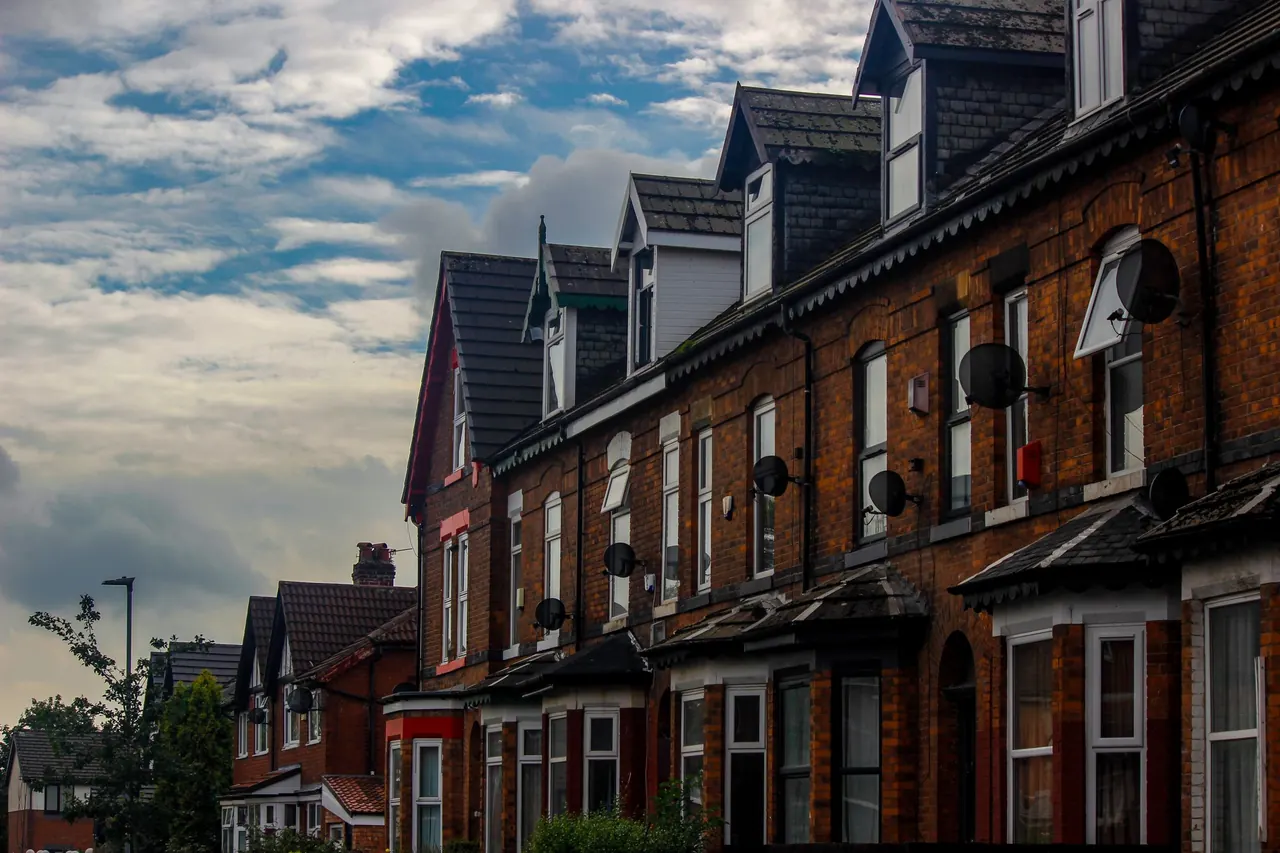
The Arts and Crafts houses of the conservation area are a different case. Gables, catslides, dormers and sprocketed eaves break the eaves into many short lengths with corners between them. A seamless system still needs a joint at every corner and outlet, so on a roofline like that it removes far fewer joints, and the look of the house matters more. Cast iron or a cast-iron-style profile usually suits these houses better.
Some owners mix the two: seamless on the long rear extension, a traditional profile on the front of the house. That often gives the best value. If your roof is mostly short runs and corners, a standard gutter installation in Kingswood will usually serve you just as well for less.
Frequently asked questions
Our Kingswood extension has a 15-metre rear wall under an oak. Can that be a single run?
Usually, yes, if the fascia is straight and there is space to bring the formed length to the wall. Access is checked when we measure, and if a joint is needed it goes at an outlet, with the outlet sized for the leaf load.
Our Edwardian house near Kingswood station has a catslide and three gables. Is seamless worth it?
Probably not across the whole house. With that many corners, the joints left over are most of the joints you had. A well-fitted sectional system in a period profile makes more sense, perhaps with seamless on any long, plain rear elevation.
Will acorns still block a seamless gutter on our Kingswood plot?
They can, but mostly at the outlet rather than mid-run. A domed grille or a larger outlet helps, and clearing it after the oaks have dropped keeps the run flowing.





