



 Google reviews

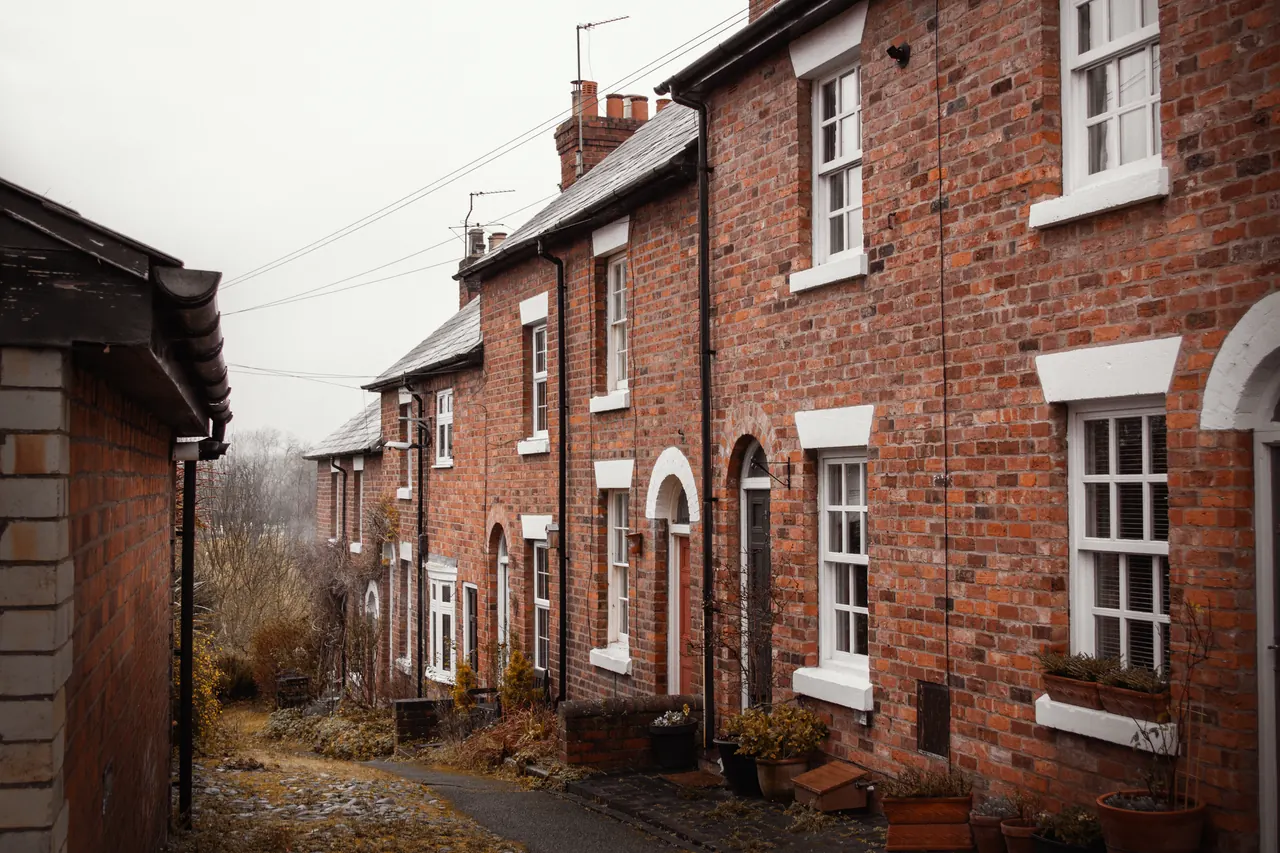
Gutters on the front of a conservation area house
The Mitcham Cricket Green conservation area was designated in 1968 and has been extended since, taking in Church Road, the greens, Cranmer Green, Three Kings Piece and part of Mitcham Park. Merton Council's appraisal and management plan worries about small changes that add up, such as a new roof covering here or a replaced window there, and a front gutter swapped from cast iron to grey plastic is exactly that kind of change.
So on the cottages and villas round the greens, a new gutter starts with the question of what the house had. Where it was cast iron, the choice is new cast iron or aluminium made in a traditional profile, which looks much the same from the road, weighs less and does not need painting. Plain uPVC suits the back of the house far better than the front. If you plan to change the material or the style on a front elevation inside the conservation area, it is worth checking with the council first.
Not every old house still has the right gutter. Plenty were changed decades ago, and putting back a period profile suits the house better than what replaced it.
Half-round, ogee or box
Most houses in Mitcham use one of three shapes. Half-round is the plain curved gutter on most cottages and on the 1920s and 1930s council houses. Ogee has a flatter, moulded front that sits tight against the fascia and suits the Edwardian semis on Mitcham Park and the terraces off London Road. Box gutters are deeper and squarer, and suit some later houses and flat-roofed extensions.
Size matters as much as shape. Mitcham Park's roofs are steep and hipped, so water comes off them fast, and the gutter runs round several sides of the house with a corner at every hip. An undersized gutter on a roof like that can overflow in a downpour even when it is perfectly clean. We size the profile and the outlets for the area of roof feeding each run rather than copying what was there.
On the 1930s blocks round Lavender Avenue, where one gutter often runs the length of several houses, uPVC half-round is the straightforward choice. Where only your section is being renewed, it is joined to your neighbours' gutters at each end with a sealed connection. If you have a long, plain run and are tired of joints, our page on seamless gutters in Mitcham explains where those make sense.
Where the water goes after the gutter
New gutters are only half the system. Each downpipe should run into a drain, a soakaway or a water butt with an overflow, not onto the ground beside the wall. On the Edwardian terraces of Pitcairn and Crusoe Road, the half bays have their own small gutters that often drain onto the main roof or into a short pipe, and those are easy to forget when the main runs are replaced.
On houses with a London roof, the hidden valley usually drains to a hopper on the back wall, so a new rear downpipe there has to take the valley's water as well; our roof inspection page explains these roofs.
New brackets need sound fascia boards to fix to. If the boards behind are soft, we can replace them on the same visit through our fascias and soffits work. The main gutter installation page has more on lifespans for each material.
Frequently asked questions
Ogee or half-round for my Edwardian semi on Mitcham Park?
Ogee usually suits the deeper fascias on houses of that age. We check what is there now and what traces remain of the old brackets before suggesting one.
My cottage near the Cricket Green has grey plastic gutters at the front. Can cast iron go back?
Yes. New cast iron, or aluminium in a traditional profile, can replace plastic on the front. If the house is listed, or you are changing the material on a front elevation in the conservation area, check with the council first.
Only my section of the gutter on our block off Lavender Avenue is being renewed. How does it meet next door's?
With a sealed connector at each boundary. If next door's gutter is a different profile, we use an adaptor made for the two shapes, so the join holds and the fall carries on.





