



 Google reviews

Reading the downpipe on a Lavender Avenue block
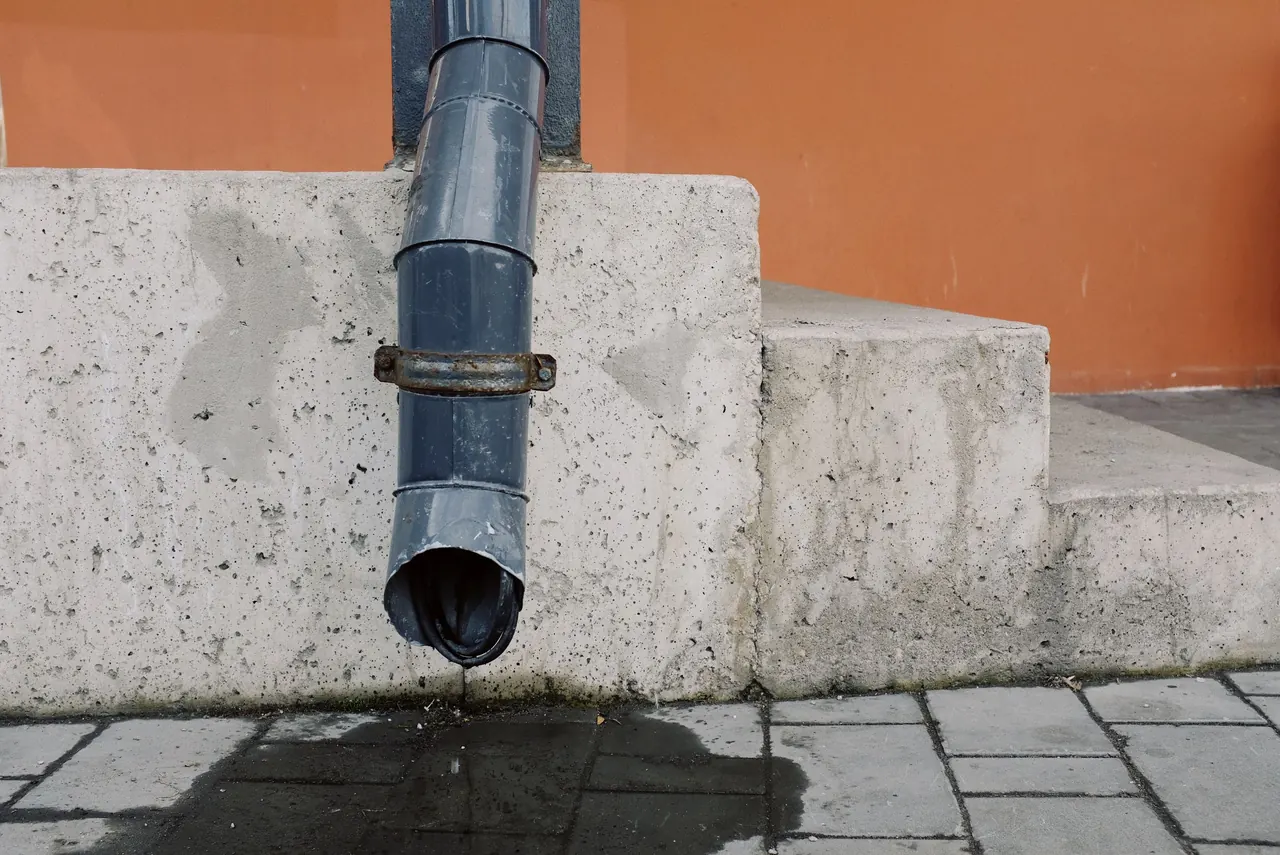
On the 1920s and 1930s streets round Lavender Avenue and Figges Marsh, one gutter can run along a whole block to an outlet near one end. When that outlet chokes, the overflow can appear outside a house whose owner has kept their own section spotless. The downpipe is the quickest way to tell where the blockage is:
- Gutter overflowing, downpipe dry. The blockage is at the outlet or the top of the pipe, often a ball of leaves and silt sitting in the outlet itself.
- Gutter overflowing, pipe full or weeping at its joints. The blockage is lower down, at a bend, an offset round the wall, or in the gully at the bottom.
- Water spilling at one point only. Often not a blockage at all but a sag, where a dropped bracket has made a low spot that fills and spills over.
We clear the outlet by hand, then rod or flush the downpipe where the blockage sits further down, and run water through the whole system to prove it flows. If a sag or a lost fall caused the trouble, we reset the brackets, because clearing it without fixing the cause means it comes back next winter.
Half bays and offsets on Pitcairn and Crusoe Road
The Edwardian terraces on Pitcairn Road and Crusoe Road have half bays with their own small red tiled roofs and gutters, and where a downpipe has to step round a bay or porch on the way down, each offset is a bend where leaves and moss can lodge. A blocked offset shows as water weeping from the pipe joints halfway down the wall, or a damp patch on the brickwork beside the bay, while the gutter above looks normal until the pipe backs up.
The small bay gutters block too, usually at their outlet, and when they do the water runs down the face of the bay and into the window frame. Clearing them is quick, and we check whether the main gutter above has been overflowing onto the bay at the same time.
Behind the parapet on Grenfell Road
Merton Council's Figges Marsh character study picks out an unusual 1930s three-storey terrace on Grenfell Road, with a decorative parapet above stacked bay windows. A parapet like that can hide a gutter behind it, and if there is one, its outlet is the only way out for the water. When that outlet blocks, water sits against the back of the parapet wall and the roof timbers rather than spilling where anyone would notice.
From the street there is no way to tell what is behind a parapet. A drone view from above shows whether there is a gutter there and what state it is in, before anyone climbs.
The older houses round the Cricket Green raise a similar problem in a different form: some have London roofs with a valley gutter hidden between two slopes, and a choked valley shows as damp in the middle of a top-floor ceiling. Our roof inspection page explains how those valleys work and how they are checked.
Water left sitting
Water that cannot drain sits against the fascia and the wall. It soaks the board behind the gutter, and our page on fascias and soffits in Mitcham covers replacing that if it has gone soft. In a cold snap, standing water freezes and puts extra weight on brackets that are already strained. If water is coming into the house now, treat it as an emergency roof repair. Once the cause is fixed, regular gutter cleaning stops it building up again.
Frequently asked questions
The downpipe at the end of our Lavender Avenue block stays dry while the gutter overflows. Where is the blockage?
Most likely in the outlet at the top of that pipe. On a run shared by several houses it can overflow outside a house that has kept its own section clear, so we clear the outlet and check the fall all the way along.
Water weeps from the joints of the downpipe beside my Crusoe Road bay. Is it blocked?
Quite possibly, at a bend where the pipe steps round the bay. We clear it from the top and rod or flush it, then run water through to check it flows before we leave.
Is there a gutter behind the parapet on the Grenfell Road terrace?
There may be, and you cannot tell from the street. We check from above with the drone and, if there is one, clear its outlet and look at the lining.





