



 Google reviews

What Belgrave Road shows you
Belgrave Road runs behind the High Street, and the council's appraisal notes that it gives views of the backs of the High Street buildings, whose rear elevations form a consistent rhythm. It is the side the shoppers never see, and on buildings like these the backs typically carry the long downpipes, hoppers and short back-addition gutters.
These are the gutters that go wrong unnoticed. The flats above the shops are often let, the owner may live elsewhere, and a rear downpipe that has cracked at a joint can pour water down the brickwork for a whole winter before anyone looks. A wet rear wall, a damp patch in the back bedroom of a flat or green staining around a hopper is usually the first sign.
On a building like this, a repair is often a few hours' work: resealing a hopper, replacing a split length of downpipe, refixing loose pipe clips, or realigning a rear gutter that has lost its fall. Doing it early keeps the water out of the brick and the rooms behind it.
Rows of the same age on Doyle Road and Clifford Road
Away from the High Street, the Victorian terraces of Doyle Road, Clifford Road, Albert Road and Chalfont Road were built in rows, and so were their gutters. When one joint begins to weep, the ones either side are the same age. On houses of this type the usual faults are:
- Dried-out joint seals on uPVC runs, and failed seals or rusted bolts on old cast iron.
- Loose brackets where the fascia behind has softened, letting the gutter drop and hold water in one spot.
- Cracked or rusted lengths, which can usually be replaced on their own.
- Downpipes that have come away from the wall, split at a joint or lost their shoe.
We look at the whole run, the brackets, the downpipes and the board behind, not just the joint you rang about. If several faults are building up, we say so, so it is one visit and one price. If the fascia is rotten, new brackets will not hold, and we can deal with that too. If the gutter is simply full of leaves, or a short back-addition gutter keeps overflowing, our blocked gutter repair in South Norwood page is the better place to start.
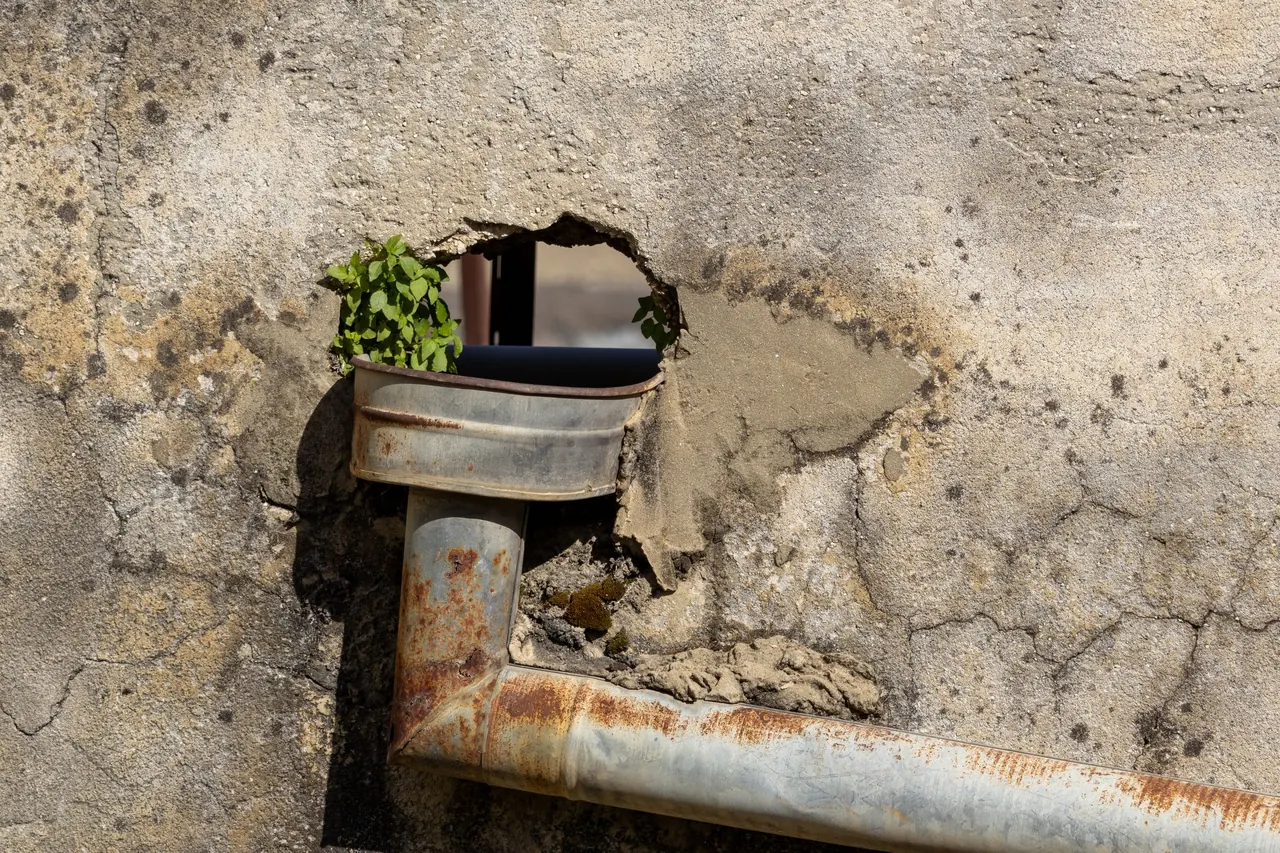
Keeping cast iron on Albert Road
The appraisal encourages reinstating painted metal rainwater goods, which tells you the council values the cast iron that survives. On the older houses of Albert Road and Oliver Grove, wherever original iron survives, repair usually makes more sense than replacement. If the metal is sound, we reseal joints, replace a corroded length or bracket and realign the run. Keeping it painted is what stops it rusting through, and we will tell you when it needs doing.
Where a run has rusted through in several places, or been patched with plastic sections over the years, it may be time for new gutters, and our South Norwood gutter installation page compares the options. For a sense of cost, MyJobQuote's gutter repair guide gives £60 to £150 to reseal a leaking joint. The main gutter repairs page has more, and if water is getting behind the gutter rather than over it, our article on water leaking behind a gutter explains why.
Frequently asked questions
Can a cracked length of cast iron on my Albert Road house be replaced on its own?
Usually, yes, if the iron either side is sound. Half-round and ogee cast iron profiles are still made, so a matching length can go in and be painted to match the rest.
Can you reach a hopper at roof level on a three storey building off Belgrave Road?
Yes. We plan the access for the height, and a drone photo first shows what state the hopper and the gutter behind it are in.
My house is one of the locally listed flint cottages on Coventry Road. Can the gutters just be repaired?
Yes. A like-for-like repair, such as resealing a joint or replacing a cracked length in the same material and profile, is maintenance. If you want to change the material or the look of the gutters, check with Croydon Council first.





