



 Google reviews

Which homes here still have a stack
Putney Vale is younger than most of Wandsworth, with an estate from the mid-1950s and houses on Friars Avenue from 1983. You will not find rows of Victorian stacks with a dozen pots. Whether your home has a chimney at all depends on the house type, and the quickest way to know is to look from the garden or the far side of the road.
Where a stack does exist, on a terrace house or a private house off the estate, the chances are it no longer serves an open fire. That is why it gets forgotten. Nobody looks at it until there is a stain in the loft or on a bedroom wall. A stack still has to keep the weather out whether or not it is in use: the lead where it meets the roof, the mortar between the bricks and the bed holding the pots on top all wear with age.
On a maisonette block, any stack or flue structure is normally part of the building the freeholder maintains, so check the lease before arranging work.
Stoves and the smoke control rules
If you are thinking of putting a wood burner into an old stack, there are rules to know first. In Wandsworth, the whole borough is a smoke control area. The council's smoke control guidance says you must burn an authorised fuel or use an exempt appliance anywhere in the borough.
We do not fit stoves or line flues. What we can do is make sure the stack itself is sound before a stove installer starts: that the flashing is tight, the pointing is weatherproof, the pots are secure and the flaunching around them is not cracked. A stack that has stood unused for decades often needs some of that work first, and it is far easier to do before a new liner and cowl go in on top.
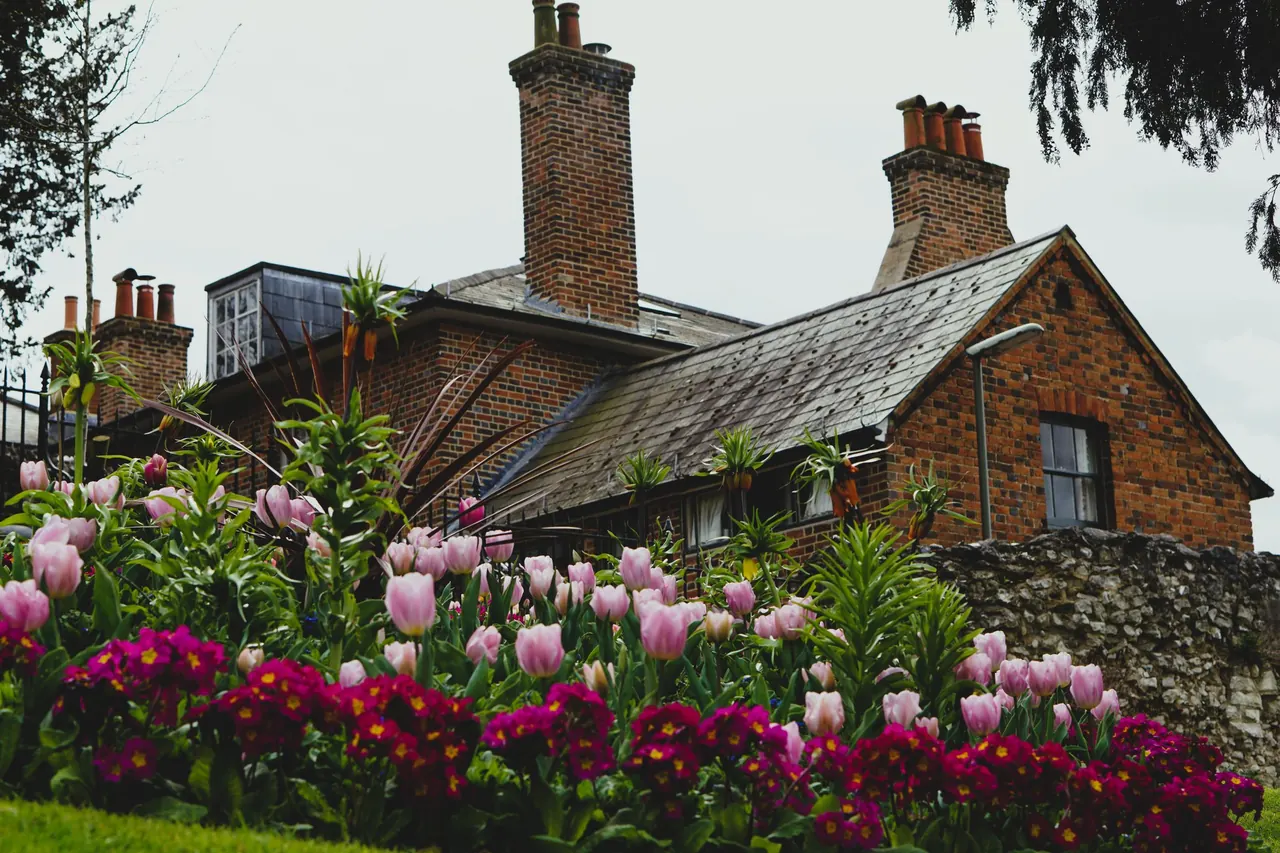
Where an older terrace stack lets water in
If your terrace has kept its stack, it could be around seventy years old, and the faults that let water in are the familiar ones:
- Lead flashing lifting or splitting, so water runs down the face of the stack and in behind the lead.
- Open mortar joints, where bricks have stayed damp for long periods and weathered faster.
- Cracked flaunching, the mortar bed around the pots, which lets water into the top of the stack.
- Open pots on disused flues, which let in rain and give birds somewhere to nest.
- Leaves in the back gutter, the uphill side of the stack, where debris from the nearby trees piles up and holds water against the flashing.
We start by finding out where water is actually getting in. A damp patch near a stack can come from the flashing, porous brickwork, an open pot or condensation in a sealed flue, and each needs a different fix. Our drone gives clear photos of the stack, pots and flashing without scaffolding, and small repairs and cowls can often be done from roof ladders. Where the roof around the stack is also part of the problem, our roof repairs in Putney Vale deal with that on the same visit.
The repairs themselves are refitting or renewing lead flashing, repointing the brickwork, renewing flaunching, resetting loose pots and fitting cowls to keep rain and birds out of unused flues. Before fitting anything on top, we check how each flue is used: a flue serving a stove needs a cowl or guard made for a working flue, not a cap.
As a cost guide, MyJobQuote's chimney flashing guide sets a patch repair at £150 to £250 and full leadwork at £350 to £460 without scaffolding, as national figures. Our main chimney repairs page explains each repair in more detail, and our chimney maintenance guide lists what to check from the ground each year.
Frequently asked questions
If my Stag Lane terrace still has a chimney, can I run a wood burner through it?
Only with an exempt appliance or authorised fuel, because all of Wandsworth is a smoke control area. A stove installer handles the appliance and liner. We can check and repair the stack itself first so it is sound and watertight.
Which parts of a chimney on a 1950s terrace off Stag Lane usually fail first?
The lead flashing and the flaunching around the pots. Both take the weather directly, and after seventy years they may well have been patched before. Open joints in the brickwork usually follow.
Does a stack shaded by the Putney Vale Cemetery trees need checking more often?
It is worth a look after each autumn. Leaves build up behind the stack and brickwork in shade stays damp for longer, so flashing and pointing there wear faster than on an open roof.





