

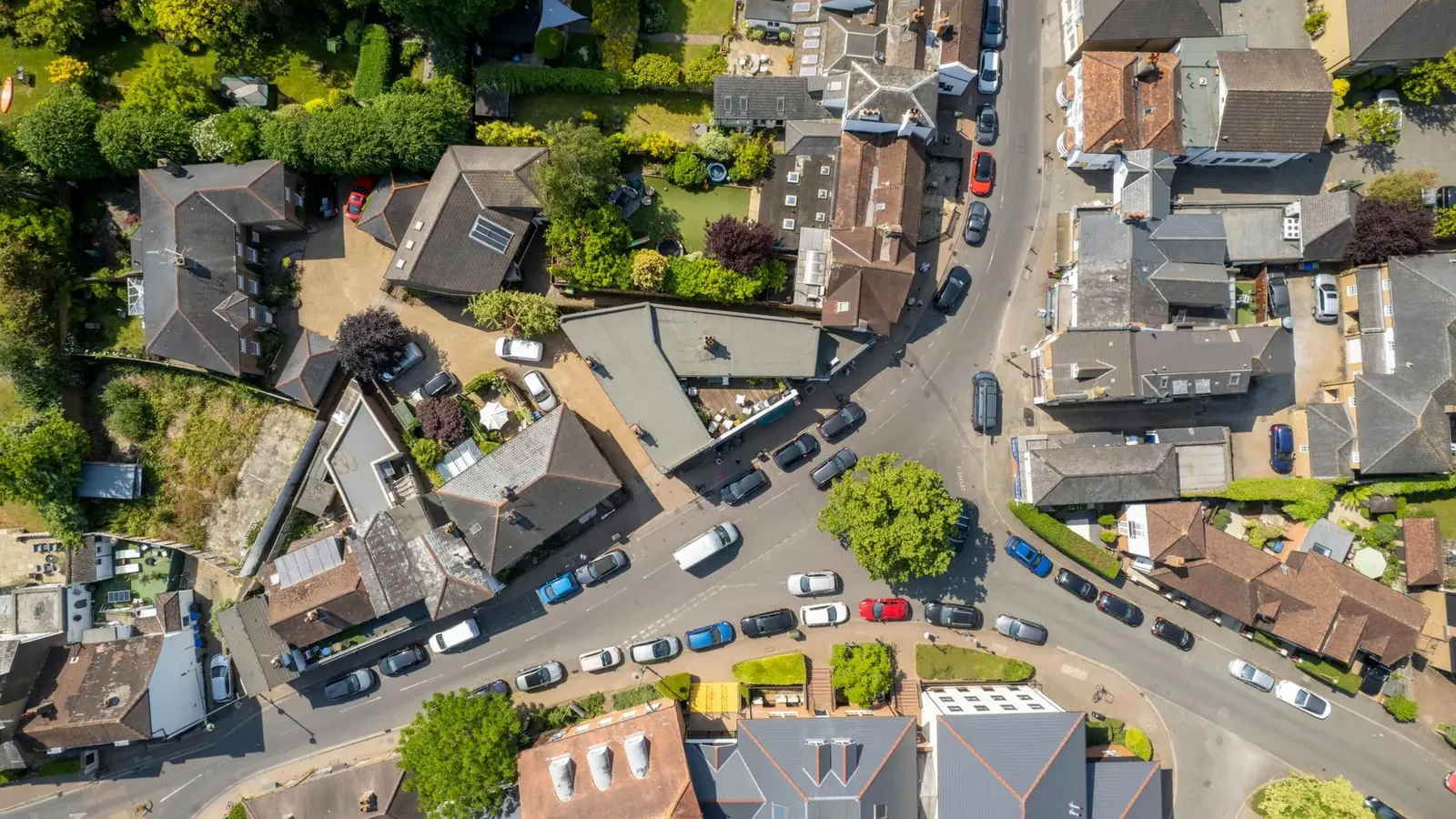
The most common roofing problems in Morden homes are slipped tiles and loose ridges, leaky joints where neighbouring houses were re-roofed at different times, crumbling mortar on gable verges, condensation in older lofts, worn flat roofs on extensions and blocked gutters. Most of Morden's houses date from the 1920s and 1930s, so many roofs are now old enough for these faults to appear. A yearly check and quick repairs stop most of them turning into leaks.
Morden's housing and its roofs
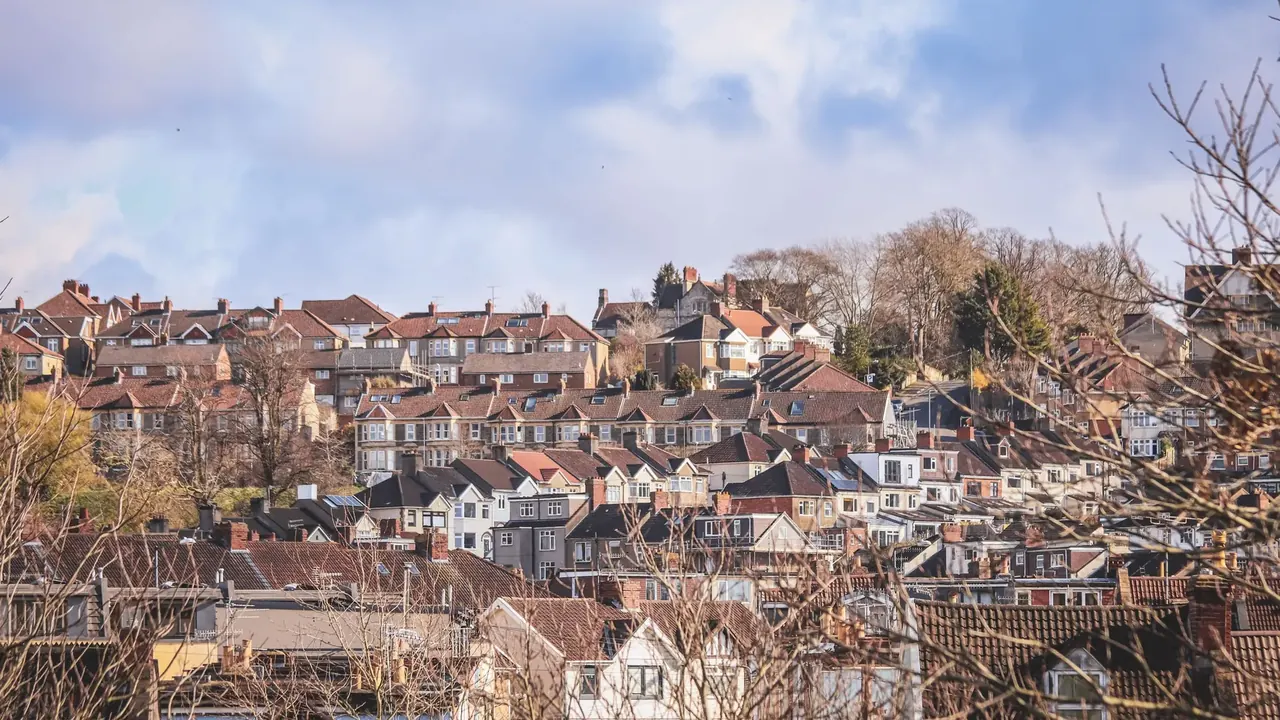
Morden was mostly farmland until the Northern line reached Morden station in 1926. Building followed fast: the London County Council's St Helier Estate, built from the late 1920s to the mid 1930s across Morden and into Carshalton and Sutton, and streets of private semis and short terraces around Lower Morden, Morden Park and the roads off London Road. Post-war council homes, flats and infill came later.
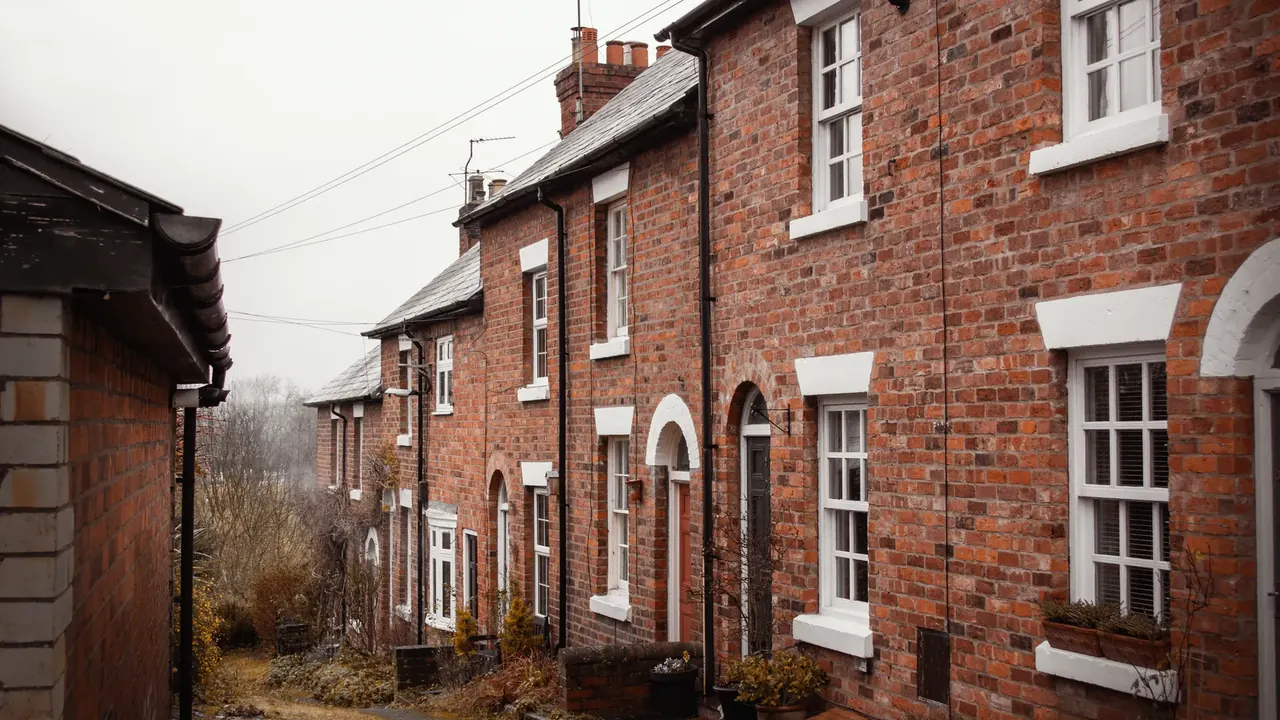
That gives the town a great many brick houses with pitched, tiled roofs of roughly the same age, most built in terraces or pairs that share a roof line. Over the decades owners have re-roofed at different times, added porches, rear extensions and loft conversions, and swapped original tiles for concrete interlocking ones. Each of those changes leaves a joint or a detail that needs looking after.
1. Joints between neighbouring roofs
On a terrace or a pair of semis, your roof is one section of a continuous structure. When one house is re-roofed in new tiles and the next keeps its old ones, the line where they meet over the party wall needs careful detailing so water cannot run under the change of tile. Where that joint was done badly, or the two tile types sit at slightly different heights, leaks and slipped tiles tend to start there.
Shared chimneys and shared gutters work the same way. If you are planning work, speak to your neighbour early, because repairs at the boundary often touch both roofs. When we quote, we explain which parts of the problem are on your side and which are not.
2. Ageing tiles, ridges and verges
Many roofs in the area still carry tiles, ridges and verges from their original build or from a re-roof several decades ago. Ridge tiles, and the verge tiles along a gable end, are bedded in mortar that cracks and washes out over time. Loose verge tiles are a familiar sight on gable-ended terraces, and a strong wind can lift them off entirely.
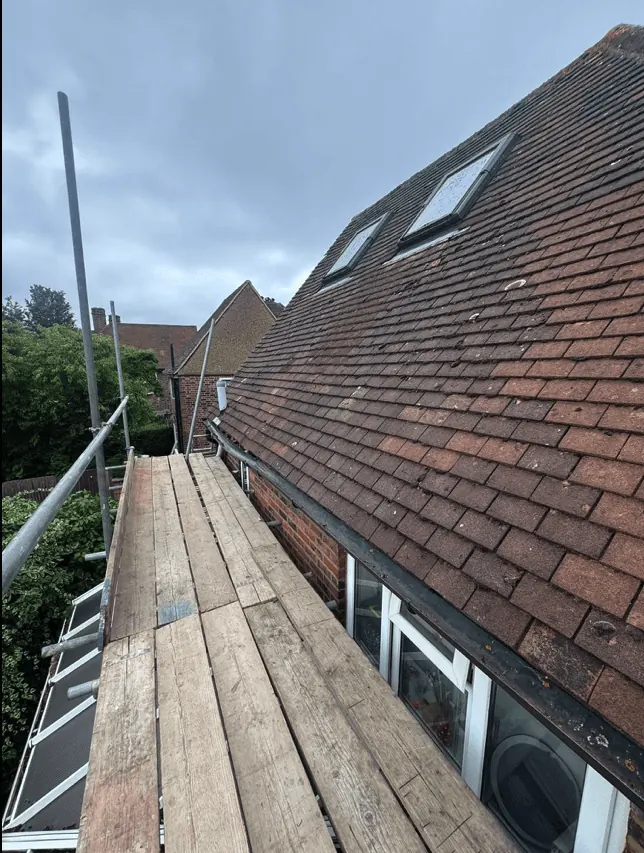
Signs worth watching for include:
- tiles out of line or gaps in a row
- broken pieces of tile on the path or in the gutter
- cracked or missing mortar along the ridge or the gable verge
- thick moss on north-facing slopes
- daylight or damp patches visible from inside the loft
A few slipped tiles or a loose ridge is a routine roof repair, and dry ridge and dry verge systems remove the reliance on mortar altogether. Our guide to roof repair costs in Morden sets out published guide prices for these jobs.
3. Condensation that looks like a leak
Plenty of older houses have had their loft insulation topped up over the years while keeping a non-breathable bitumen felt under the tiles. With thick insulation and little ventilation, warm moist air from the house condenses on the cold underside of the felt in winter and drips onto the insulation. Homeowners often mistake this for a roof leak.
The clues are damp spread evenly across the loft rather than in one spot, black mould on the rafters or the underside of the felt, and drips on cold mornings rather than during rain. The cure is usually better ventilation, such as tile or eaves vents, and keeping insulation clear of the eaves, rather than new tiles. A roof inspection tells you which problem you actually have before you spend anything.
4. Flat roofs on extensions, porches and garages
Rear kitchen extensions, side garages, porch canopies and dormers on local houses are very often flat-roofed. Older felt coverings crack, blister and lift at the edges, and the upstand where the flat roof meets the house wall is the usual leak point. Water that ponds for days after rain is a sign the fall is poor or the deck underneath is sagging.
Small splits can be patched, but a covering that is failing all over is better replaced. Our flat roofing work uses GRP, EPDM and modern felt systems, and our guide to flat versus pitched roofs in Morden helps if you are deciding what to put on a new extension.
5. Chimney flashing and flaunching
Most of the older houses here still have their chimney stacks, even where the fireplaces were blocked up long ago. The lead flashing that seals the stack to the roof and the mortar flaunching around the pots both wear out, and a disused flue that has been capped without any ventilation can stay damp inside. Damp on a chimney breast upstairs, or staining beside the stack in the loft, usually points here. Our chimney repairs cover lead flashing, repointing, flaunching and cowls.
6. Gutters near the parks and the Wandle
Morden is greener than many people expect, with Morden Hall Park and the River Wandle on one side, Morden Park on the other and plenty of street trees in between. Leaves and seeds fill gutters every autumn, and moss washed off the tiles adds to the load. A blocked gutter overflows down the wall and can rot the timber fascia behind it, so gutter cleaning at least once a year, and twice if trees overhang the roof, is money well spent.
How often to check your roof
Which? advises having your roof and gutters inspected once a year, and says this matters most once a roof is more than 25 years old (Which? roofing guide). Most local roofs are well past that, so we suggest a check every year before winter, plus a look from the ground after any big storm. Never go up on the roof yourself to inspect it.
After a storm, look for tiles on the ground, gaps in the roof line and loose flashing. If water is coming in or part of the roof is open to the weather, our emergency roof repair service runs 24 hours a day, 7 days a week. We make the roof watertight first, then quote for the permanent repair.
Your local roofers in Morden
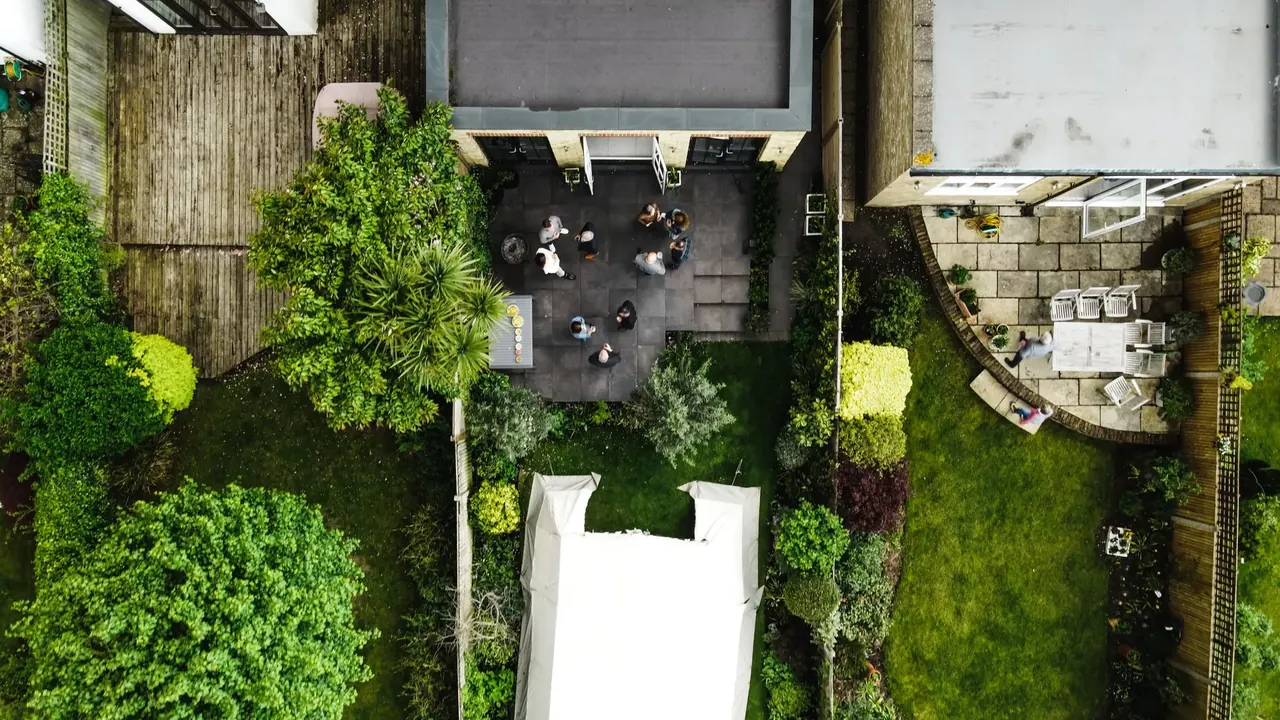
Precise Roofing & Guttering is a family run roofing and guttering contractor based on Kenley Rd in Morden. Find out more about our roofers in Morden, or browse our full list of roofing and guttering services. Our drone roof inspections show you the whole roof in photos without scaffolding, quotes are free with no obligation, and we can often visit and quote the same day you call.
Our work carries a 10 year guarantee, we offer a 20% discount for OAPs, and we are rated 4.9 on Google and 5.0 on Yell. Call 0330 133 4111 or request a free quote.

 Google reviews
